
Description
Practices and procedures to promote proper handling, storage, and use of construction materials in a manner that minimizes or eliminates storm water pollution, groundwater pollution, soil contamination, and injury to workers or visitors.
Applications
Properly store and handle materials on construction sites based on the general requirements for the materials listed in the table below, as applicable:
- Designate a material storage area.
- Locate stored materials away from inlets, concentrated flows, and open waterbodies.
- Provide a cover for stored material.
- Cover with an impermeable material to prevent contact with storm water if materials must be stored in an uncovered area.
Materials Commonly Found on Construction Sites | Proper Material Storage and Handling |
|
|
|
|
|
|
|
|
|
|
Installation and Implementation Requirements
Ensure proper material storage and handling practices are implemented on construction sites.
MATERIAL STORAGE
- Materials with the potential to contaminate runoff must be stored under some type of impermeable cover and racked off of the ground to prevent contact with storm water. This BMP will greatly decrease the potential of pollutants originating from storage areas.
- Designate an on-site material storage area. This area shall be located away from concentrated flows, inlets, and open waterbodies.
- Maintain accurate and up-to-date records of materials delivered and stored on-site.
- Minimize on-site inventory.
- Retain a complete set of Safety Data Sheets (SDS) on-site.
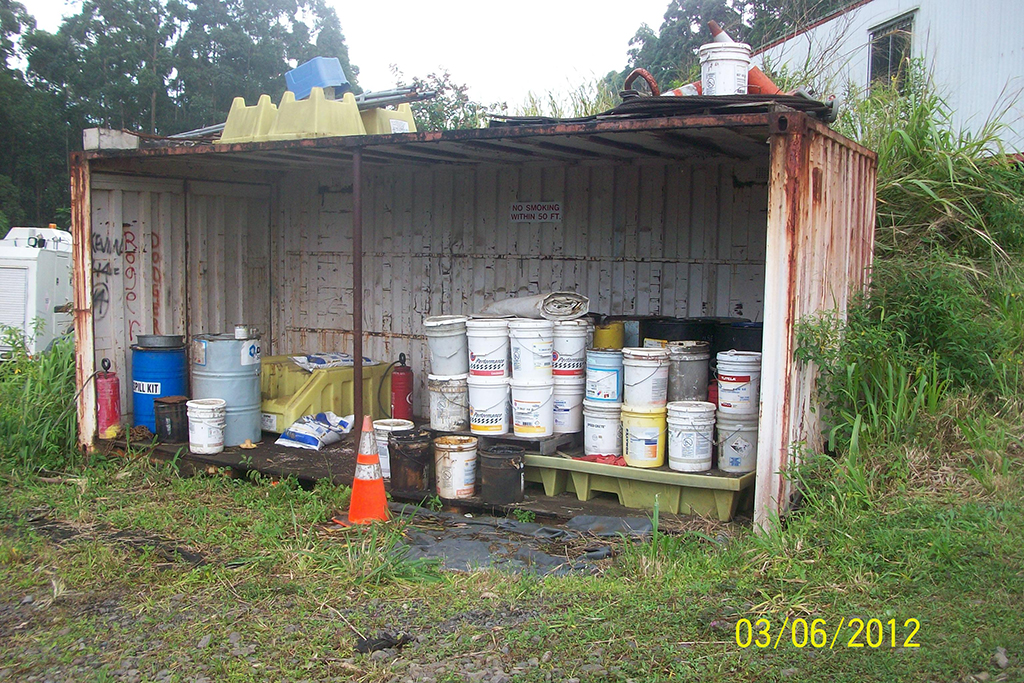
- Do not store chemicals, drums, and bagged materials directly on the ground. Metal drums or containers must be covered with 10 mil plastic sheeting to prevent contact with rainwater if stored in an uncovered area.
- must be designed, installed, and operated to prevent any migration of wastes or accumulated liquid out of the containment system to the soil, groundwater, or surface water.
- Secondary containment must be able to retain 100% of the volume of the largest container or 10% of the aggregate total of all the containers being stored within the secondary containment, whichever is greater.
- Hazardous chemicals shall be stored in their original containers with manufacturer’s labels and placed in secondary containment.
- All product containers are required to have Globally Harmonized System (GHS) Labels.
- All containers are required to be labeled as to their contents.
- Do not stack more than 2 containers on top of each other to avoid tipping over. Containers may be stacked higher (no more than 3) provided they are secured from tipping over through such methods of shrink wrap or other supportive means. There must be enough room in the containment area to contain any tipped containers.
- Fuel containers shall have secondary containment for nozzles/hoses.
- Store soaps, detergents, and solvents under cover or other means to prevent contact with rainwater.
- Materials should not be stored in locations that hinder the effectiveness of other BMPs.
- Do not store materials on erosion and sediment control devices.
- Comply with building and fire code requirements when storing materials.
- Provide appropriate training to all new employees responsible for material storage and handling prior to the commencement of work.
MATERIAL HANDLING
- Use the appropriate amount of materials necessary to complete the construction activity.
- All personnel shall be trained in accordance with hazardous communication standards. Refer to the Occupational Safety and Health Administration (OSHA), Occupational Safety and Health Standards 29 CFR Section 1910.1200 for more information.
- Minimize the use of hazardous materials. See section SM-9 Hazardous Materials and Waste Management for more information.
- Do not remove the original label. Comply with manufacturer’s labels, which include product information regarding uses, protective equipment, flammability, ventilation, mixing of chemicals, and proper disposal.
- Use the entire product before disposing of the container in accordance with all federal, state, and local regulations.
- Restrict amount of herbicide prepared to the quantity necessary for the current application. Comply with the recommended usage instructions. Do not apply fertilizers or herbicides during or just before a rain event.
- Comply with building and fire code requirements when storing materials.
- Maintain an ample supply of cleanup materials that are readily accessible for spills.
What to Inspect
- Are storage areas clean, organized, and equipped with an adequate supply of cleanup materials?
- Are secondary containment measures being used and are they appropriately sized?
- Do containers have proper labeling?
- Do containers show signs of corrosion and/or evidence of leaks?
- Are materials properly stored and disposed of?
- Are storage areas located away from drainage structures, concentrated flows and open waterbodies?
Maintenance
- Storage areas shall be clean and well organized.
- Maintain an adequate supply of spill cleanup materials on-site and readily available.
- Any significant residual materials remaining on the ground shall be removed and properly disposed of immediately. If the residual materials contaminate the soil, then the contaminated soil shall also be removed and disposed of properly.
- Maintain covers on any materials that should not come into contact with storm water. All containers must have proper GHS Labels and, if practicable, be in secondary containment.
- Provide periodic training to all employees responsible for material storage and handling.
BMP Examples
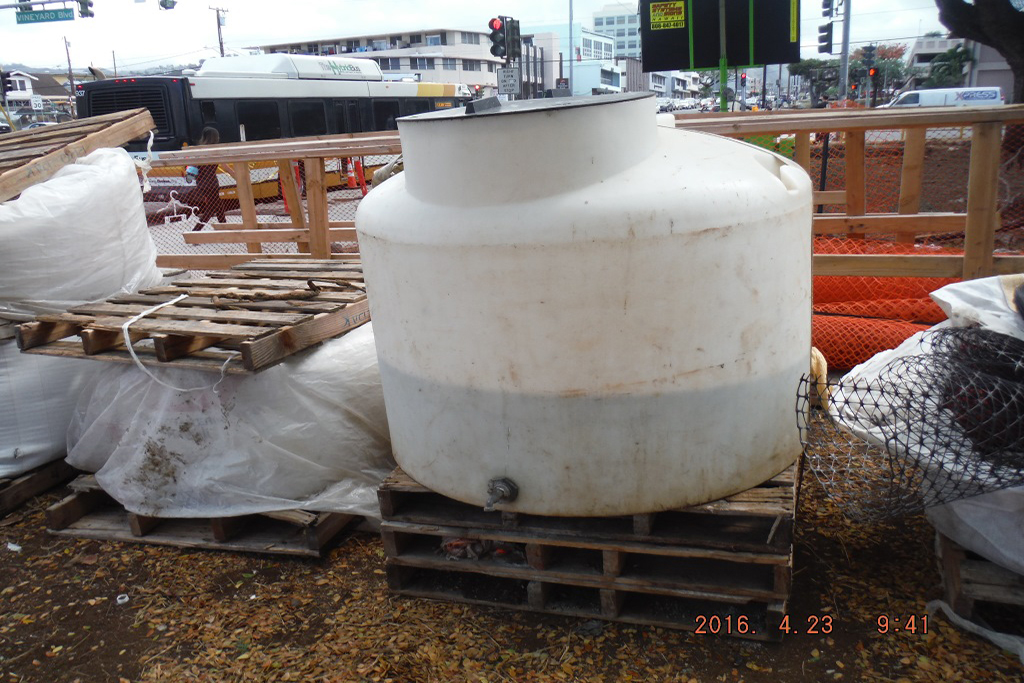
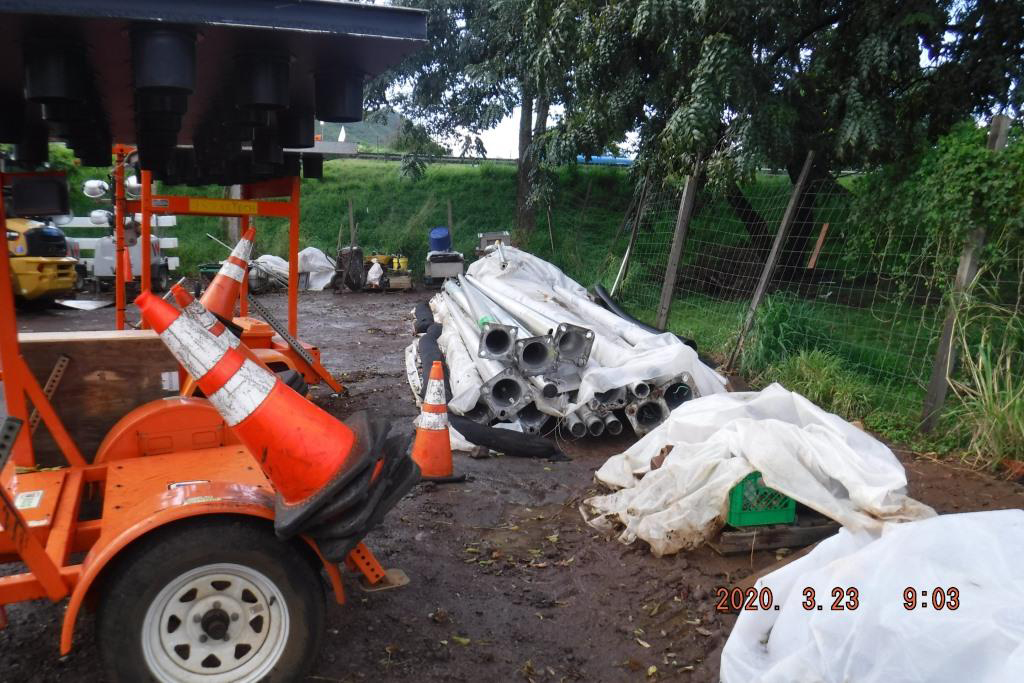
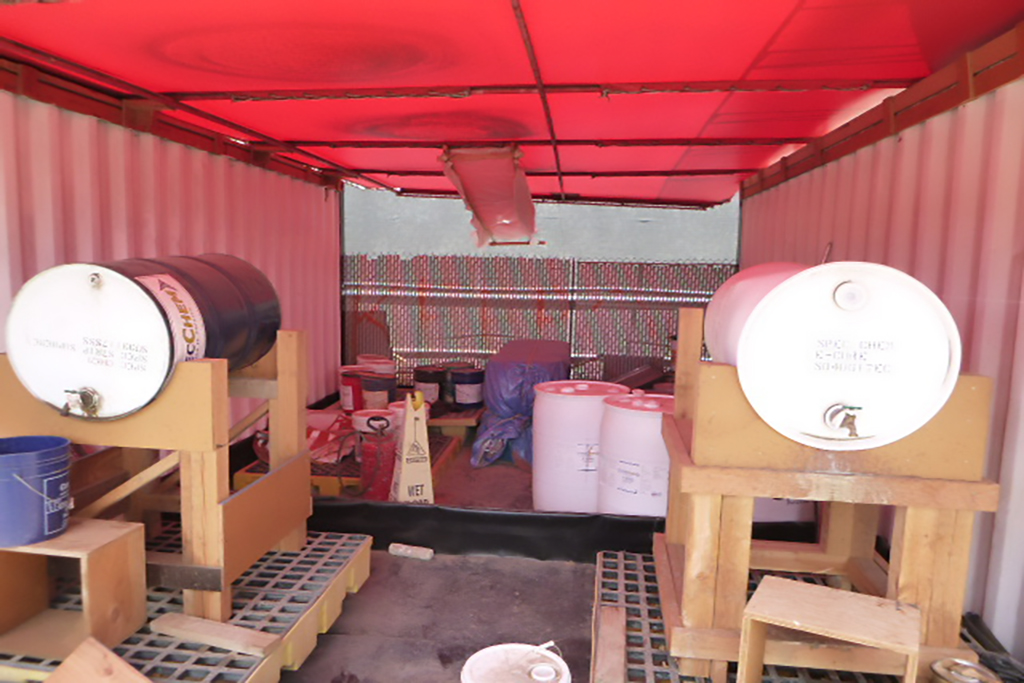
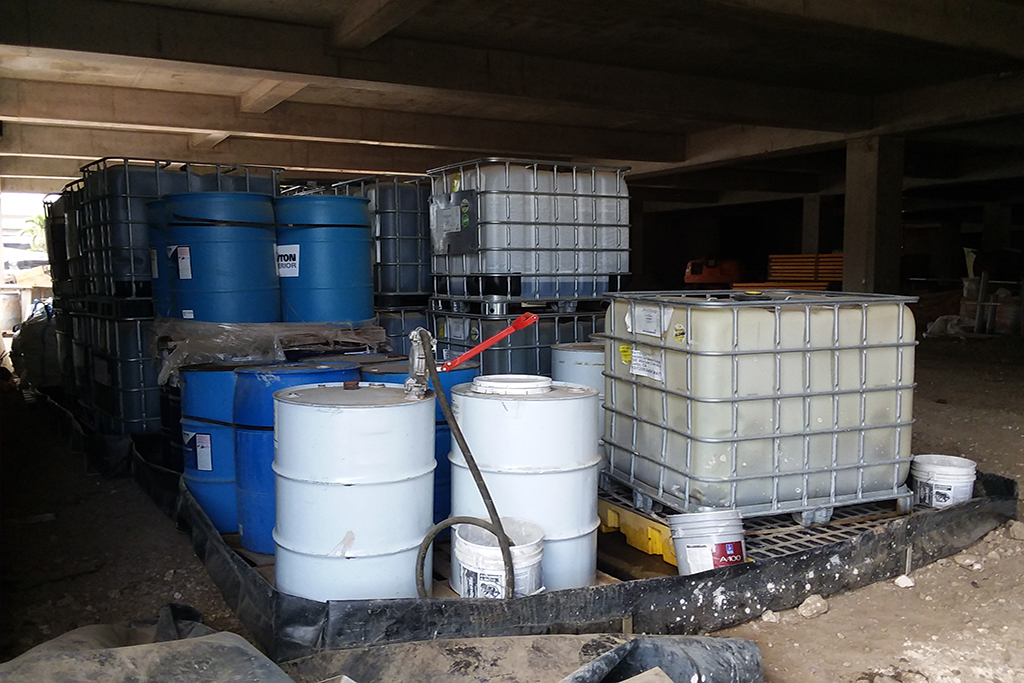
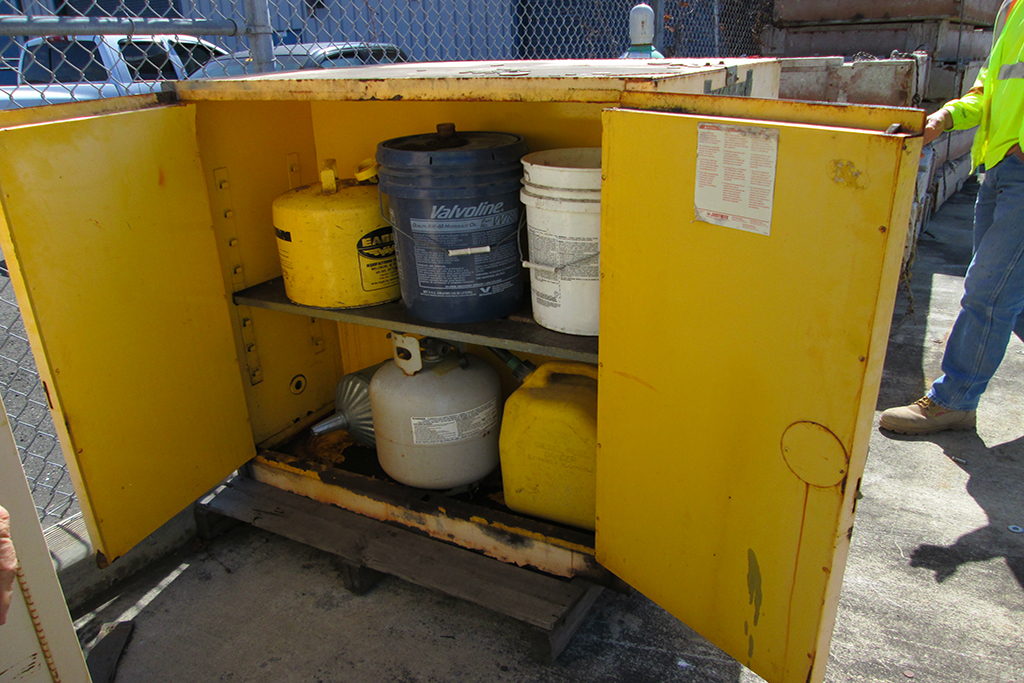
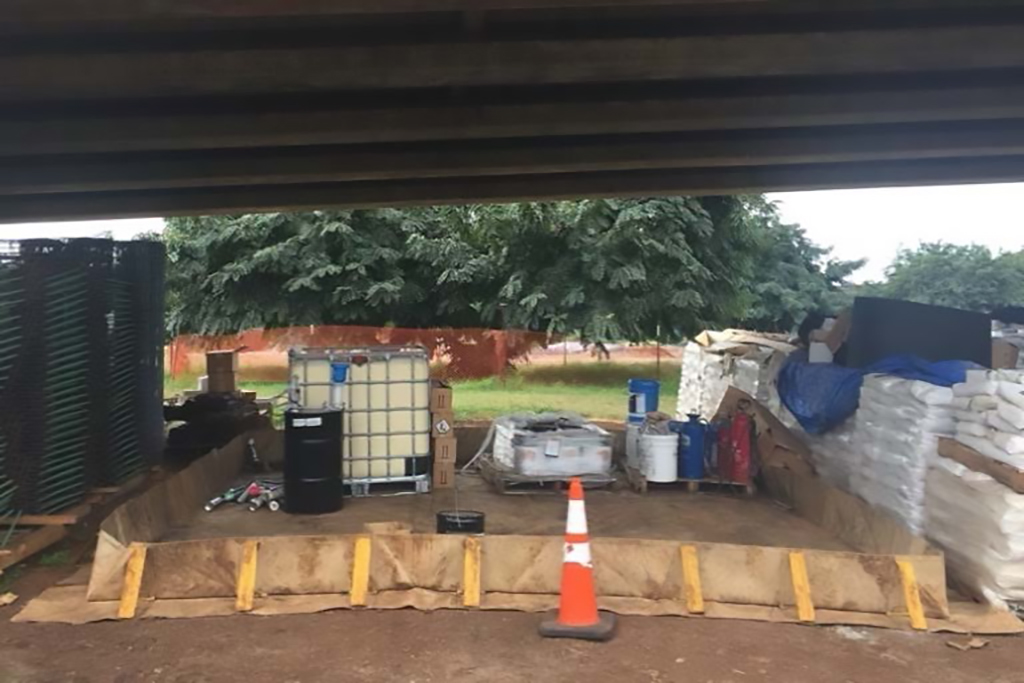
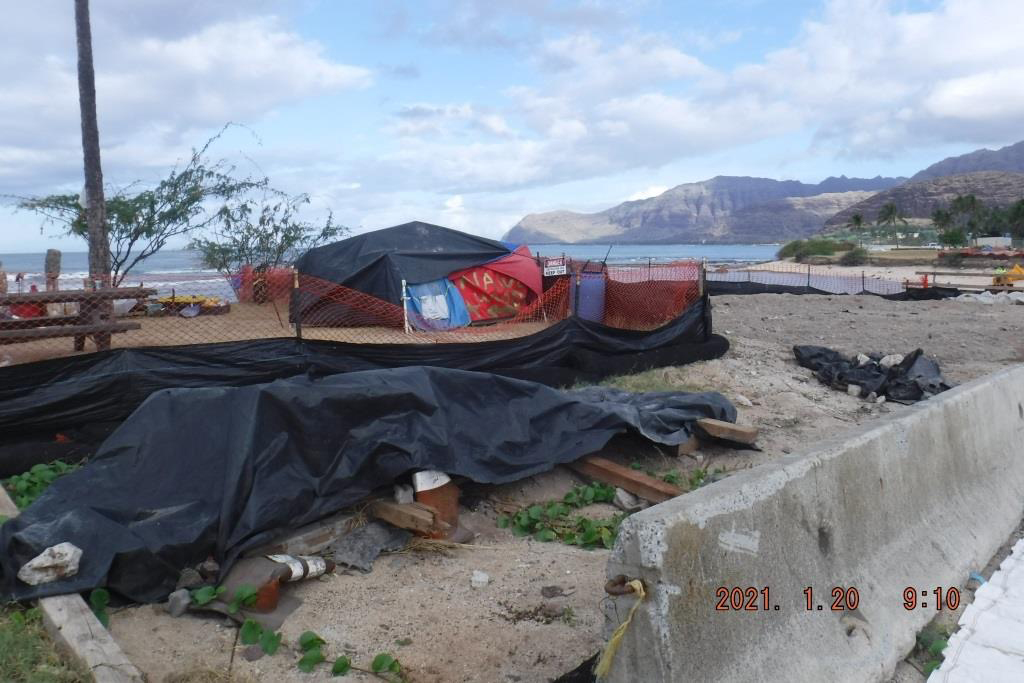
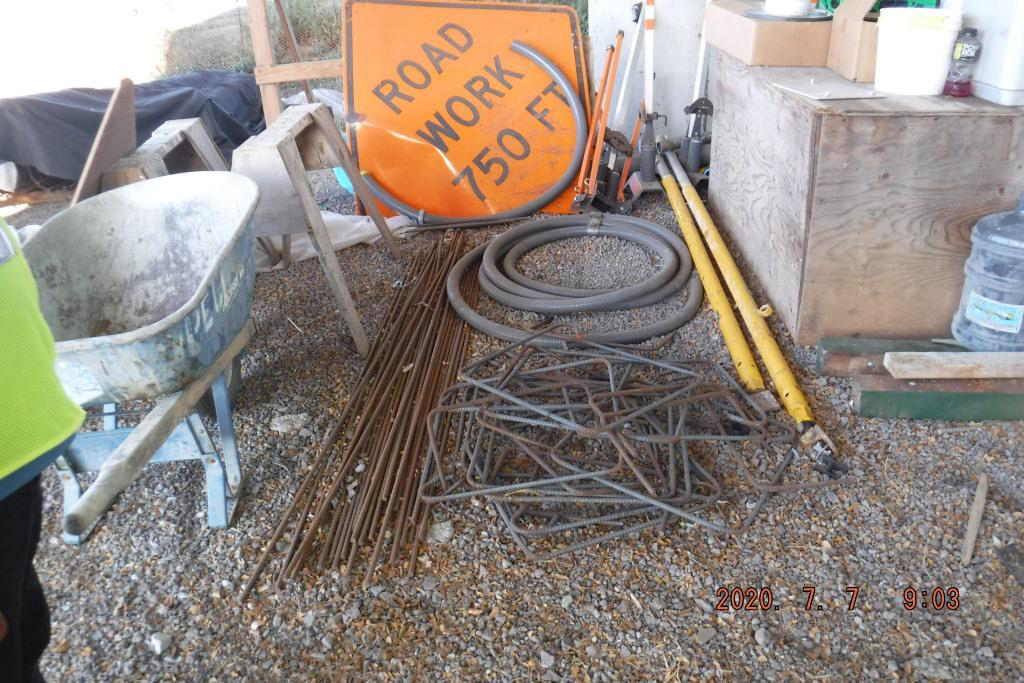
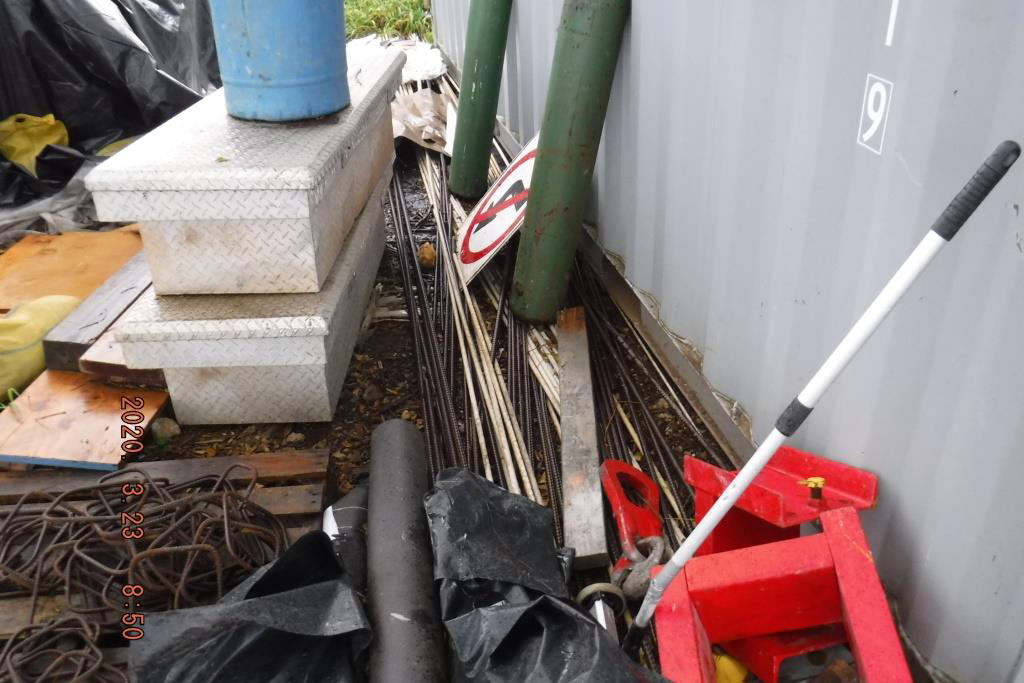
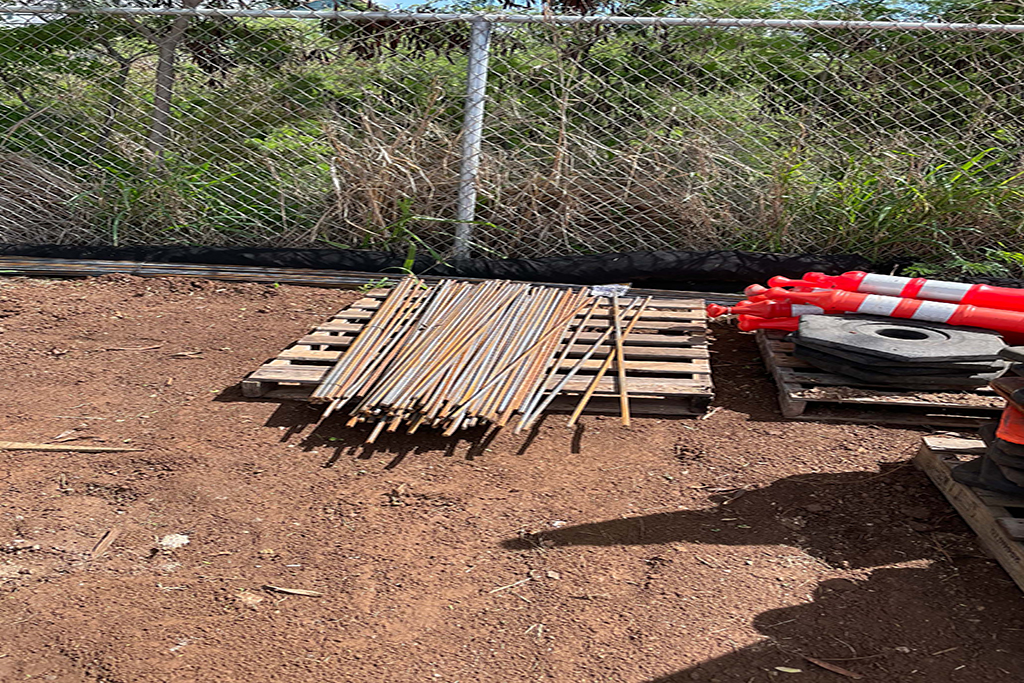
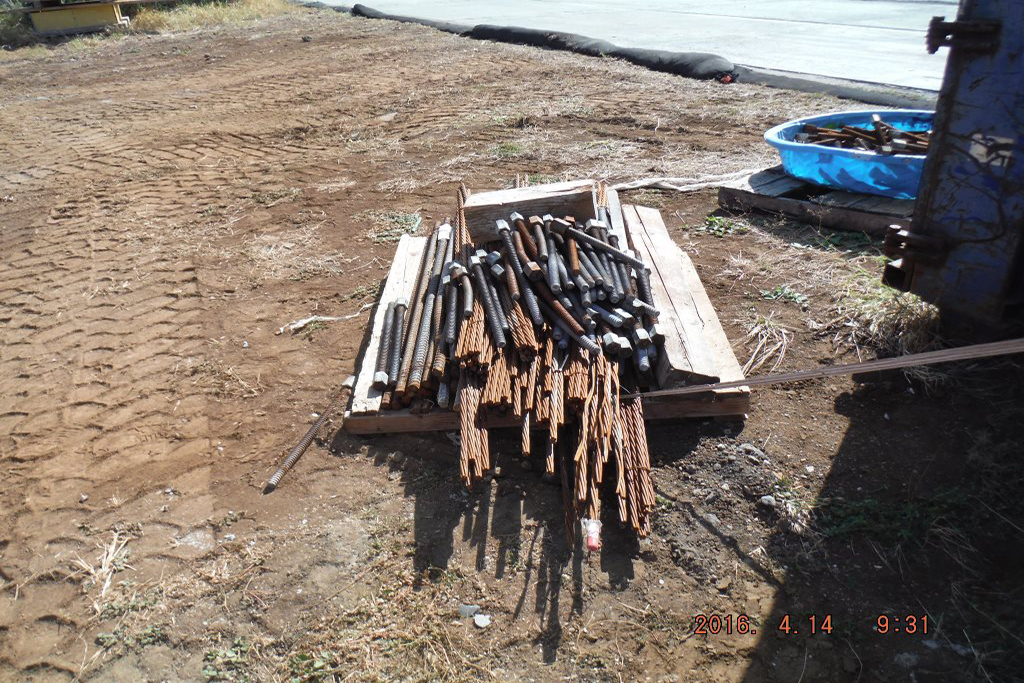
Are adequate BMPs installed to prevent the discharge of pollutants from the project site? Hover over each photo for an explanation of the situation presented and if BMPs have been installed properly.