
Description
Practices and procedures to prevent hazardous material and waste from discharging into the storm drain system or adjacent waterbodies.
Applications
Handling and storing procedures on construction sites involving the following hazardous materials and waste:
TYPICAL HAZARDOUS MATERIALS AND WASTES FROM COMMERCIAL CONSTRUCTION AND DEMOLITION (C&D) JOBS
- Oil-based paint, stains, and varnishes
- Acids and bases (e.g., muriatic acid, etc.)
- Ignitable waste (gasoline and diesel)
- Used batteries
- Waste vehicle lubricants (e.g., used motor oil, etc.)
- Latex paint with mercury
- Thinners and painting solvents
- Spent sand blast material from paint removal operations
- Weatherproofing/insulation solvents
- Finishing and flooring adhesives and sealants
- Mechanical/electrical waste
- Absorbent materials used to clean up spills
- All petroleum-based products
- Concrete curing/repair compounds and related concrete work products
- Contaminated rags
- Waste mercury or acrylic mercury paint
- Non-empty aerosol cans
TYPICAL HAZARDOUS MATERIALS AND WASTE FROM EXISTING STRUCTURES
- Sandblasted material such as grit or chips containing lead, cadmium, or chromium-based paints
- Asbestos
- Polychlorinated Biphenyls (PCBs)
- Older transformers are a common source of PCBs.
Installation and Implementation Requirements
POTENTIALLY HAZARDOUS WASTE RECOGNITION
- Review product label and shipping papers.
- Identify key words such as flammable or ignitable (able to catch fire); carcinogenic (causes cancer); toxic or poisonous (injures or harms people or animals); and hazardous, danger, caustic or corrosive (burns through chemical action). Hawaii Administrative Rules (HAR) Title 11, Chapter 261 includes a list of hazardous waste and criteria. Review Safety Data Sheets (SDS) from the manufacturer and supplier of the product.
HAZARDOUS MATERIALS HANDLING AND STORAGE
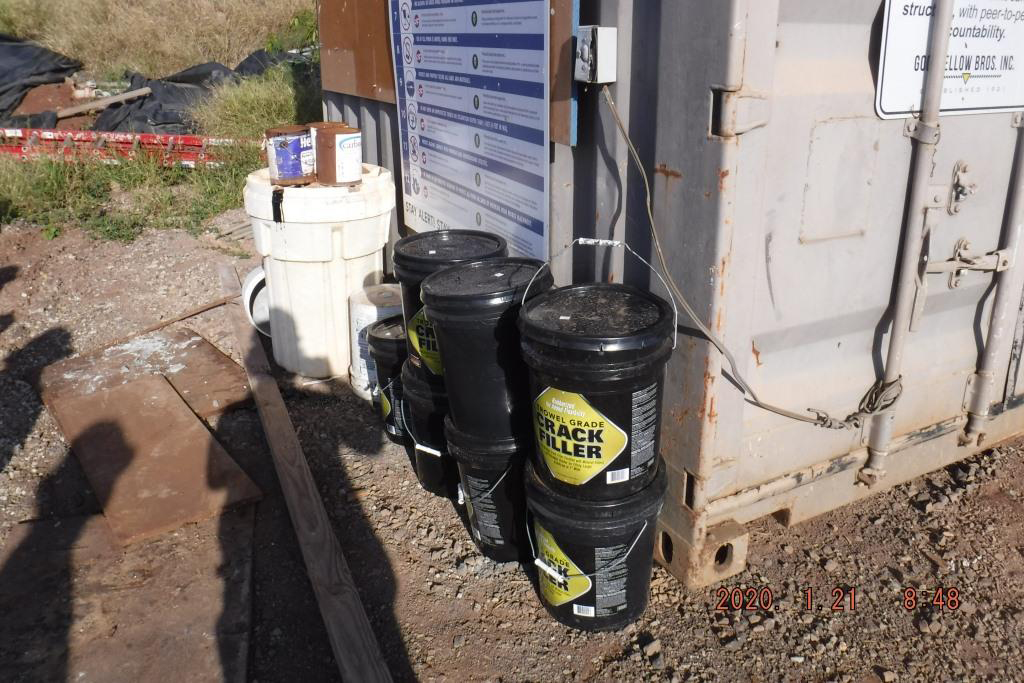
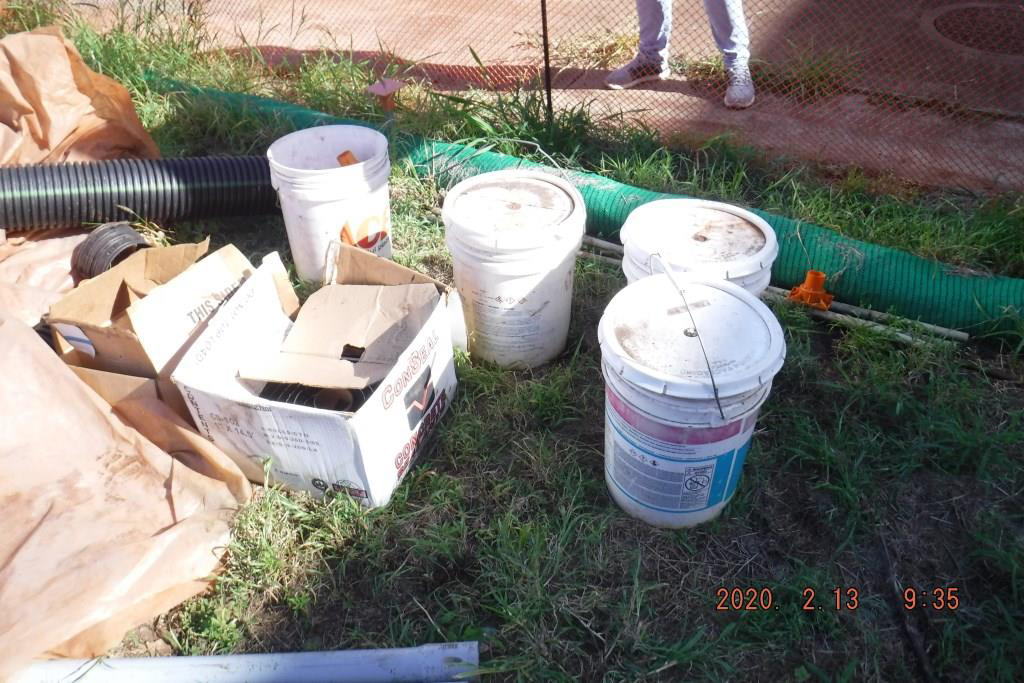
- Hazardous material should remain in the original container. Do not transfer material into another storing device unless it is considered waste.
- Keep the original product label on the container because it includes important safety and disposal information. Keep all SDS at a designated location. Inform all personnel of the location of the SDS.
- Restrict amount of herbicide and fertilizer prepared to the quantity necessary for the current application. Comply with the recommended usage instructions. Do not apply herbicides and fertilizers during or just before a rain event.
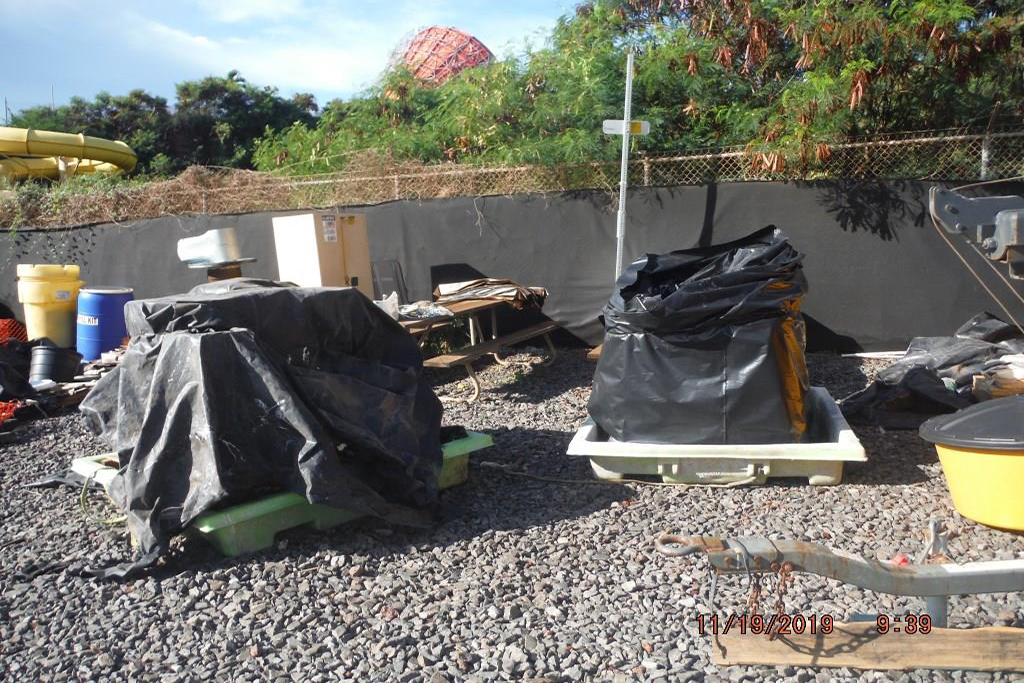
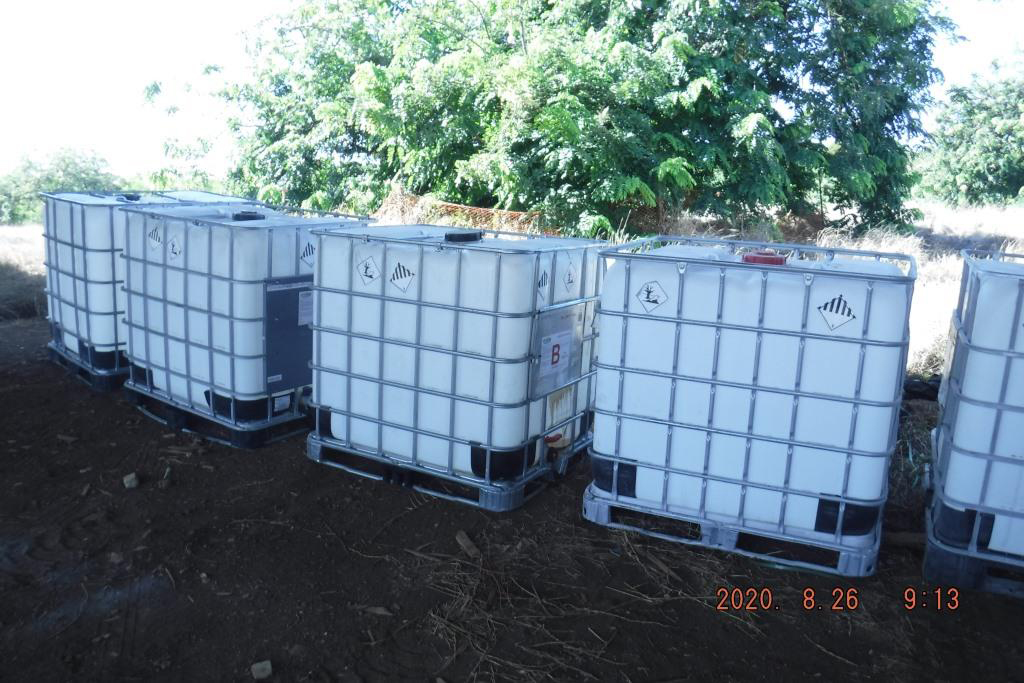
- It is preferred to store hazardous material under a covered facility. If a covered facility is not applicable, materials must be placed in secondary containment and covered with impermeable material to prevent storm water from coming in contact with materials.
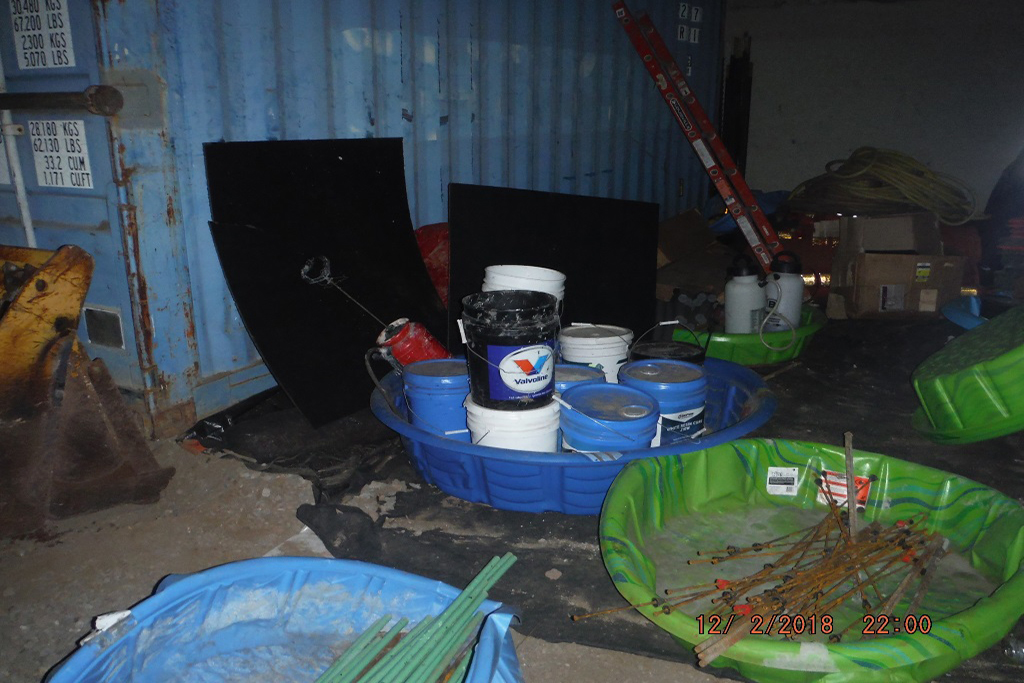
- Secondary containment must be able to retain 100% of the volume of the largest container or 10% of the aggregate total of all the containers being stored within the secondary containment, whichever is greater.
- Metal containers shall be covered by an impermeable material so they are not exposed to rainwater, which can cause rusting and potential leaks.
- Secondary containment is required for storing hazardous materials and must be impervious to the materials stored.
- All spills, free products, or storm water captured in a secondary containment shall be immediately removed and properly disposed of.
- Incompatible materials, such as chlorine and ammonia, shall not be stored in the same temporary containment facility.
- Immediately clean up hazardous waste that spills or leaks on the ground. Do not hose down or bury spills.
DISPOSAL OF HAZARDOUS WASTE FROM CONSTRUCTION ACTIVITIES
- It is required to ensure the site has adequate space for hazardous waste storage volume.
- Waste storage areas must be located away from drain inlets, watercourses, and moving vehicles.
- Minimize hazardous waste stored on-site.
- Waste shall not be mixed and drums used for waste shall not be overfilled.
- Label all waste containers with the type of waste being stored and the date of accumulation.
- Store hazardous waste separate from non-hazardous waste to prevent mixing in case of a spill. Do not mix wastes.
- Remove as much paint from brushes on painted surface. Do not clean or rinse water-based paint brushes in soil, streets, gutters, storm drains, or streams. Rinse from water-based paints shall be discharged into the sanitary sewer system. Filter and reuse solvents and thinners.
- Dispose of oil-based paints and residue as a hazardous waste.
- Place hazardous waste in a sealable container suitable for the material.
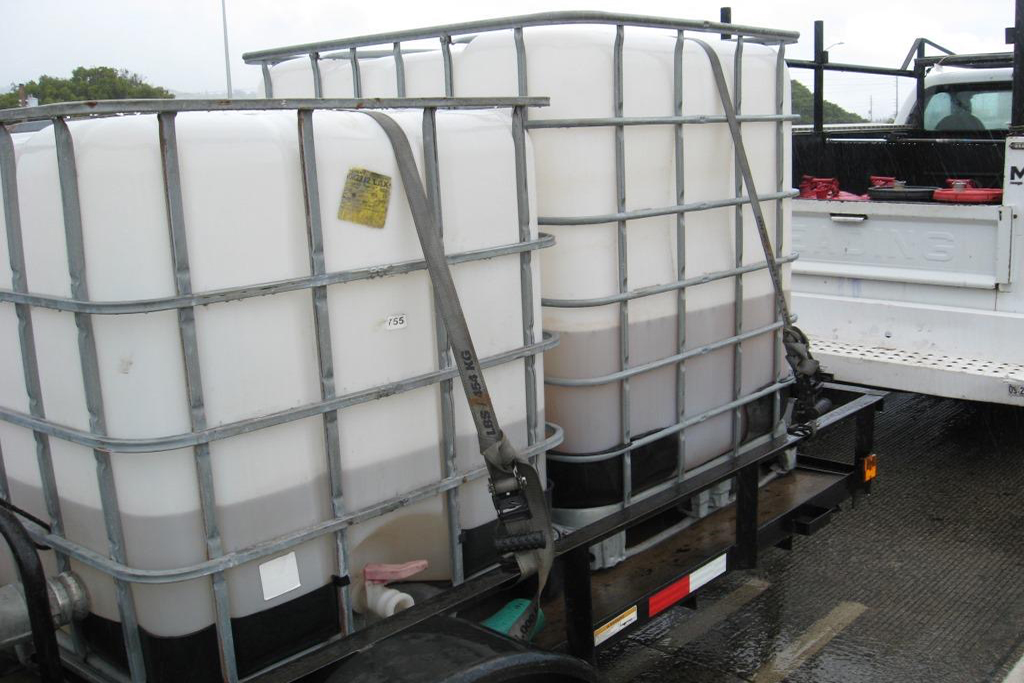
- Rainwater that mixes with hazardous waste due to spills or leaks shall be treated as hazardous waste and must be placed in drums.
- Dispose of container only after all of the product has been used in accordance with federal, state, and local regulations.
- Hazardous waste that will not be recycled/reused must be disposed of off-site within 90 days of being generated, or as directed by the Resident/Construction Engineer.
- Maintain an ample supply of cleanup materials that are readily accessible for spills. All employees shall be informed of the location of the cleanup material and trained in their proper use.
- Hazardous waste must not accumulate on the ground.
- A licensed hazardous waste transporter shall dispose of hazardous waste at an authorized disposal facility. For more information regarding licensed transporters, refer to the State of Hawaii Department of Health (DOH) Hazardous Waste Section at website – http://health.hawaii.gov/shwb/hazwaste/.
WASTE RECYCLING AND DISPOSAL OF HAZARDOUS WASTE
- Designate areas for collection of hazardous wastes.
- Store hazardous materials and wastes in covered containers and label according to applicable Resource Conservation and Recovery Act (RCRA) requirements.
- Provide secondary containment for hazardous waste containers to prevent contact with storm water runoff.
- Keep wastes separate to prevent chemical reactions which make recycling and disposal difficult.
- Recycle useful materials such as oil- or water-based paint.
- Do not dispose of toxic liquid wastes (solvents, used oils, and paints) or chemicals (additives, acids, and curing compounds) in dumpsters allocated for construction debris.
- Schedule periodic waste collection to prevent overflow of containers.
- Ensure collection, removal, and disposal of hazardous waste complies with regulations.
- Clean up spills immediately. Do not clean spills or surfaces by hosing the area down. Use the appropriate tools in the spill prevention kit to mitigate spills from leaching into the receiving waters or entering a storm drainage system.
- Eliminate the source of the spill to prevent a discharge or a continuation of an ongoing discharge.
Considerations
- Hazardous waste that cannot be reused or recycled shall be disposed of by a licensed hazardous waste hauler.
- Nothing in this section relieves the contractor’s responsibility of compliance with federal and state laws.
What to Inspect
- Is hazardous material in secondary containment and covered with an impermeable material?
- Are containers completely empty before being thrown into the waste bin?
- Is plastic cover ripped or torn?
- Are metal containers containing hazardous material rusting or leaking?
- Are original labels on all containers containing hazardous material?
- Are containers completely sealed?
- Is hazardous material in its original container?
- Is there evidence of leaks or spills on ground?
- Is hazardous waste being stored properly and regularly disposed of by a licensed transporter?
- Is there an amply supply of cleanup material readily accessible?
- Is hazardous waste being mixed?
Maintenance
- Schedule regular hazardous waste collection.
- Replace/repair secondary containment if there are signs of leaking.
- Replace plastic cover that has rips and tears.
- Immediately clean up spills of hazardous material and dispose of waste properly.
- Maintain areas where hazardous material and waste must be kept clean and well organized.
BMP Examples
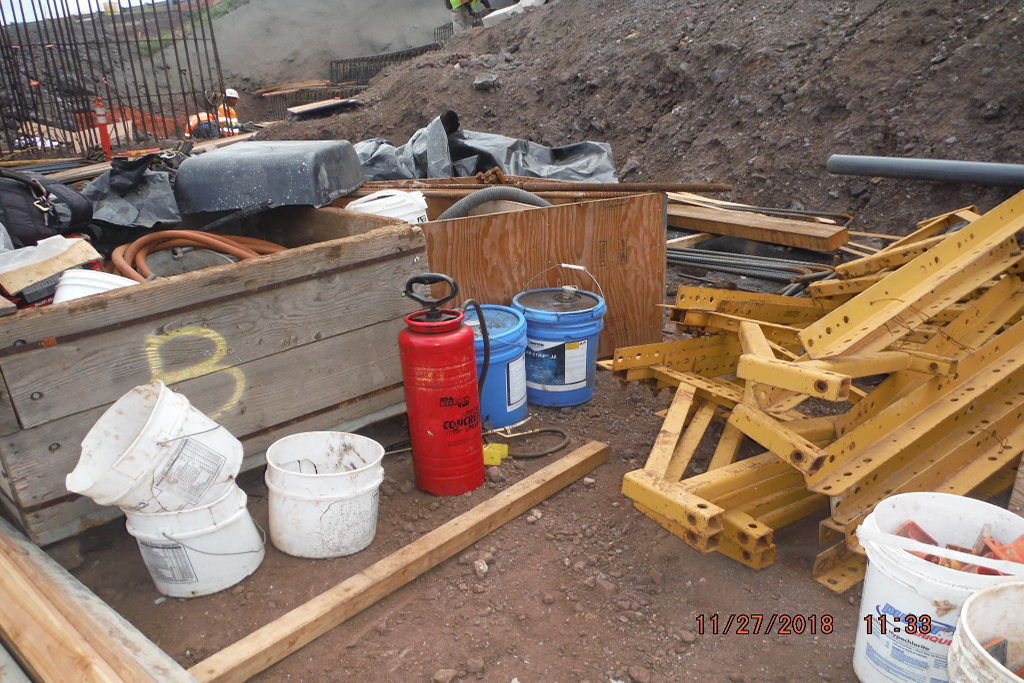
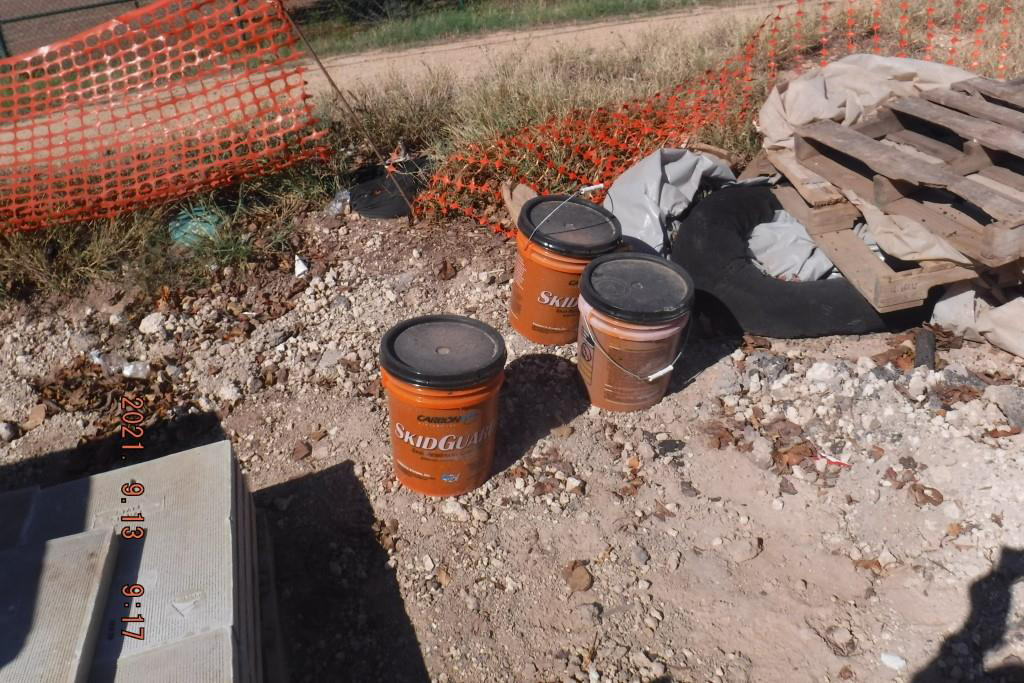
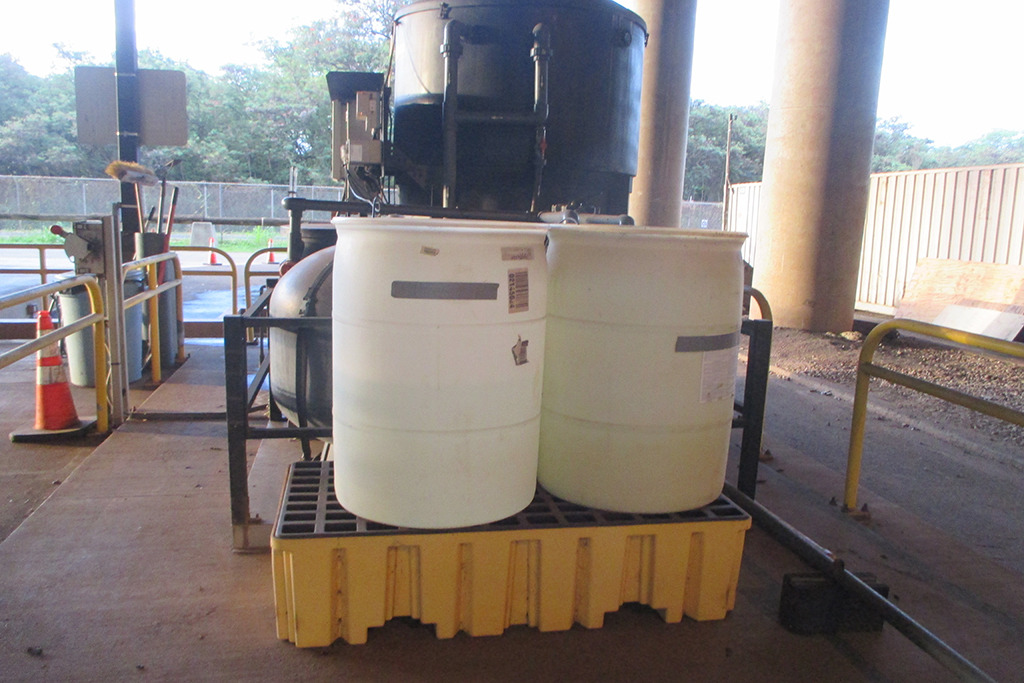
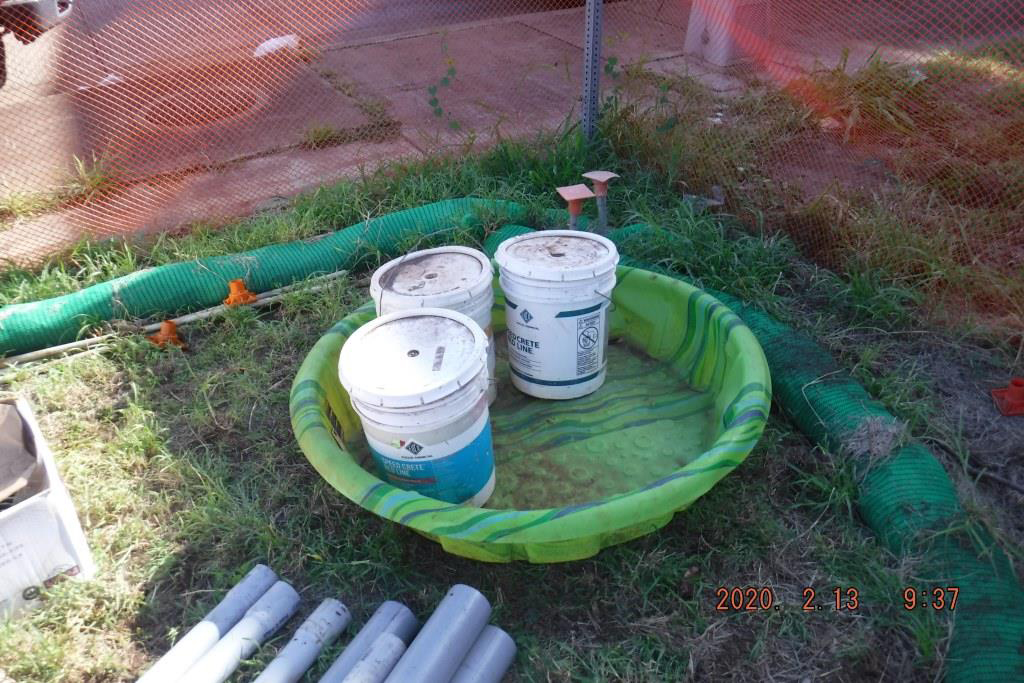
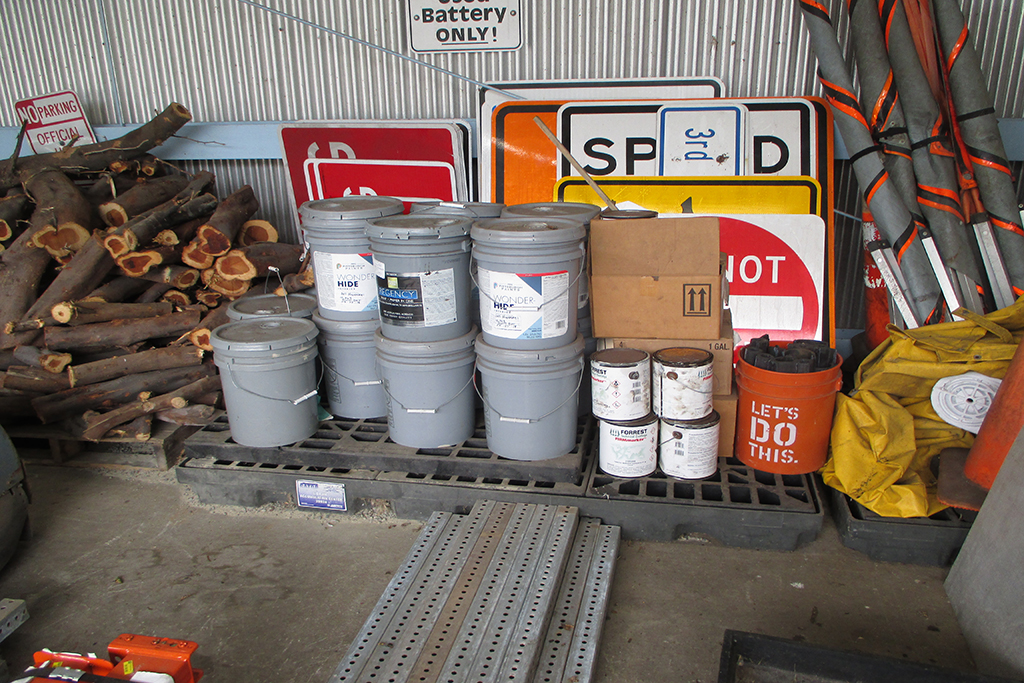
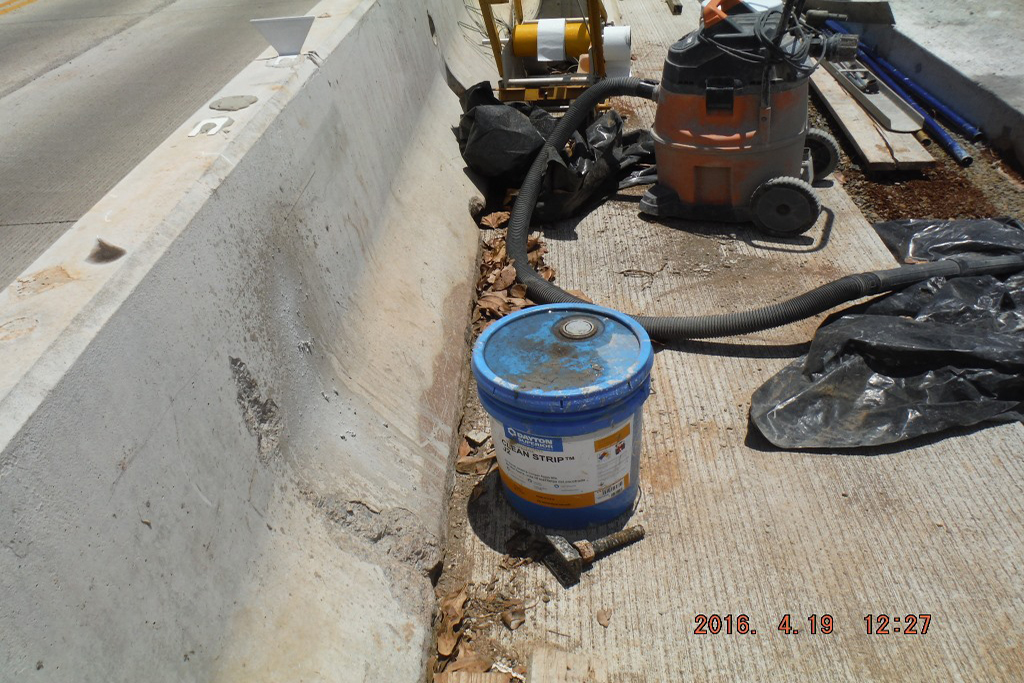
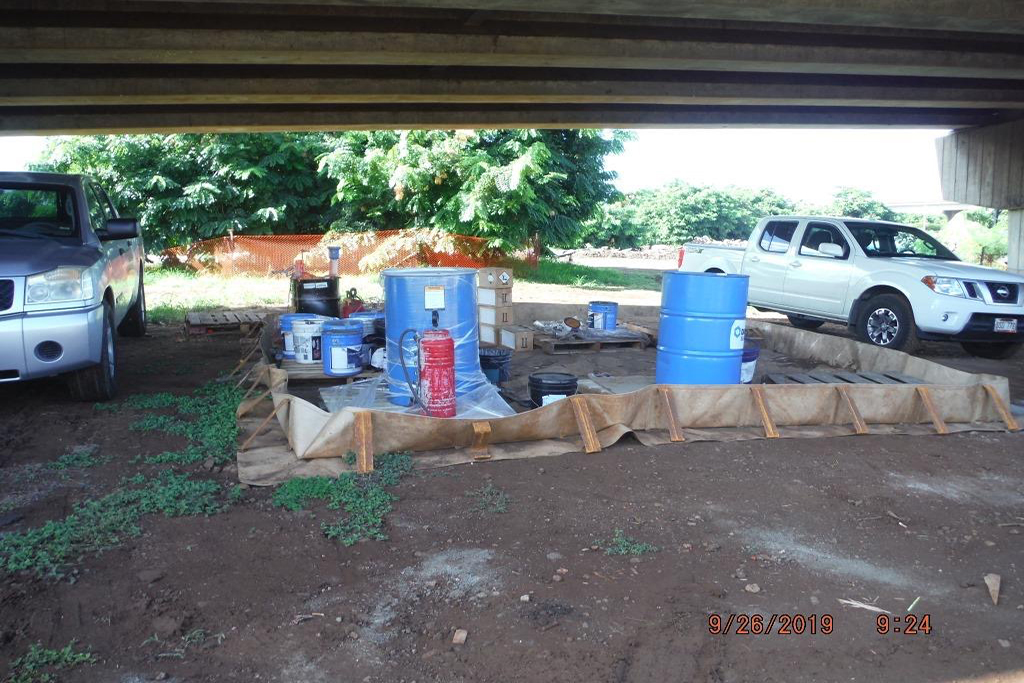
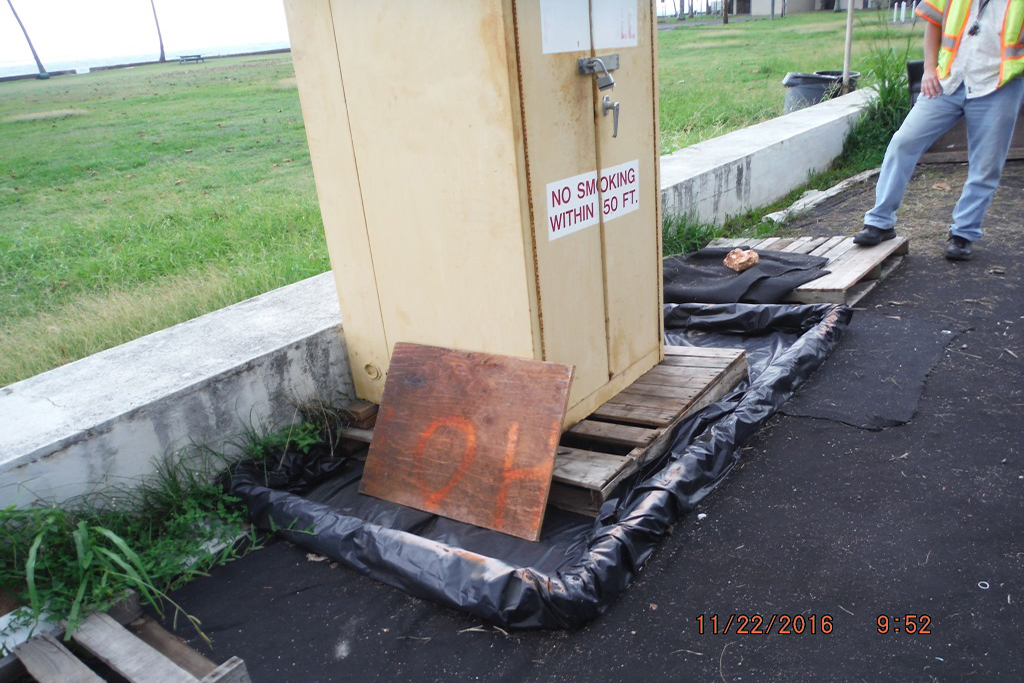
Are adequate BMPs installed to prevent the discharge of pollutants from the project site? Hover over each photo for an explanation of the situation presented and if BMPs have been installed properly.