
Description
Practices and procedures to reduce the discharge of pollutants from construction and demolition (C&D) waste from entering the drainage system or adjacent waterbodies.
Applications
- Construction projects generating non-hazardous solid wastes from C&D activities. These wastes include C&D waste, inert fill material, litter and recycle/reuse material.
- C&D wastes include materials originating from the construction, demolition, and repair of roads, buildings, or other structures.
- Inert fill materials are defined as earth, soils, rocks, rock-like material, such as cured asphalt, brick, and clean concrete less than 8 inches in diameter, except as specified by a licensed Engineer with no exposed steel reinforced rod. The inert fill material shall not contain vegetation, organic material, or other solid waste. It shall not be contaminated with asbestos or lead-based paint. In addition, inert fill materials do not decompose or produce leachate or products harmful to the environment.
Installation and Implementation Requirements
- Separate contaminated cleanup materials from C&D wastes. Contamination may be from hazardous substances, friable asbestos, waste paint, solvents, sealers, or adhesives.
- Dispose of waste in designated waste containers.
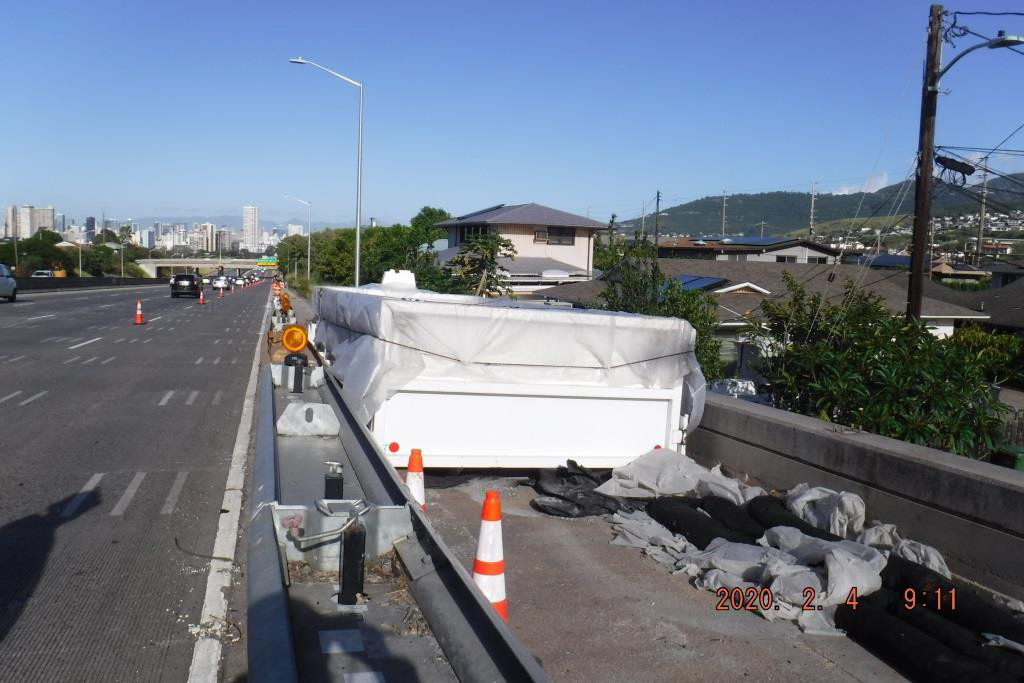
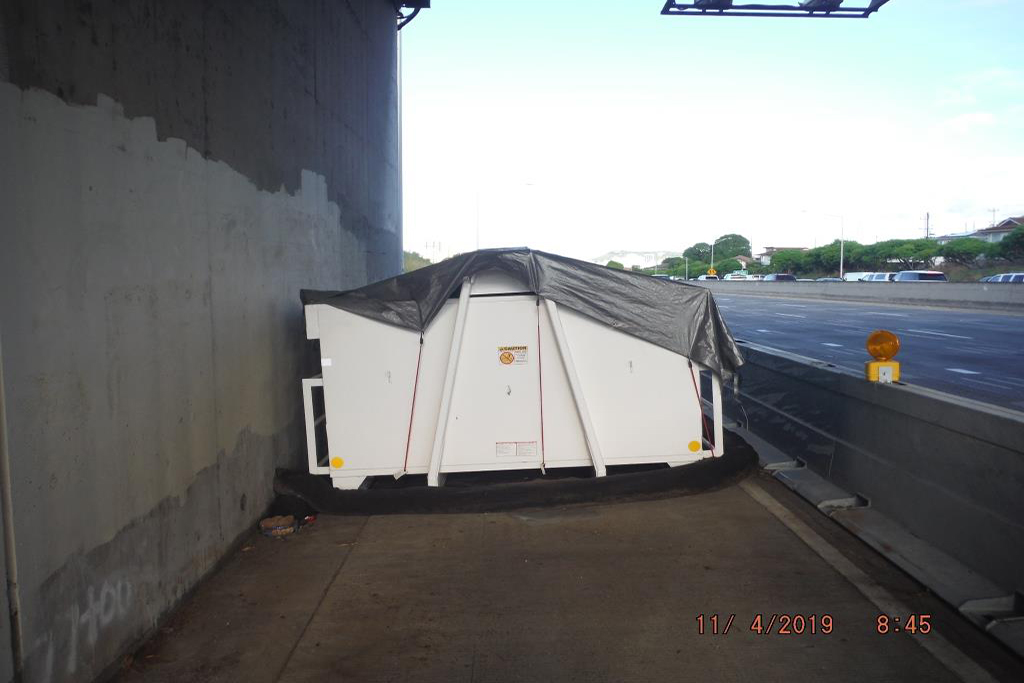
- Solid waste bins must be watertight and placed away from drainage facilities and open bodies of water.
- Most C&D wastes can be reused or salvaged for recycling. Inert fill materials shall not be mixed with other C&D waste.
- Solid waste is generally any material that leaves a project that is no longer usable on the project. If any material is intended to be characterized as inert fill or soil for reuse, the material shall be tested and determined clean.
- Ensure inert fill material does not contain vegetation, organic material, or other solid waste.
- The Department of Health, Hazard Evaluation and Emergency Response Office (HEER) refers to Guidance for Soil Stockpile Characterization and Evaluation of Imported and Exported Fill Material, to define “acceptable fill material” as:
- Natural materials consisting of soil, clay, sand, volcanic cinder and ash, and rock; or a mixture/combination of such materials.
- C&D materials exclusive of soil that are known or tested to be free of hazardous substances.
- The fill determination process, defined by HEER, is to determine if proposed fill material meets the definition of acceptable fill material. Options to complete the fill determination process include:
- An environmental due diligence review of the fill source property that concludes there is no evidence of past releases that could pose an environmental hazard or contain chemical contaminants above applicable State of Hawaii Department of Health (DOH) Tier 1 Environmental Action Levels (EALs).
- A fill material characterization report that summarizes representative analytical data for the proposed fill material from the fill source operator, fill importer, or fill exporter.
- The contractor shall obtain approval from the Engineer to take any material off-site from an HDOT construction site.
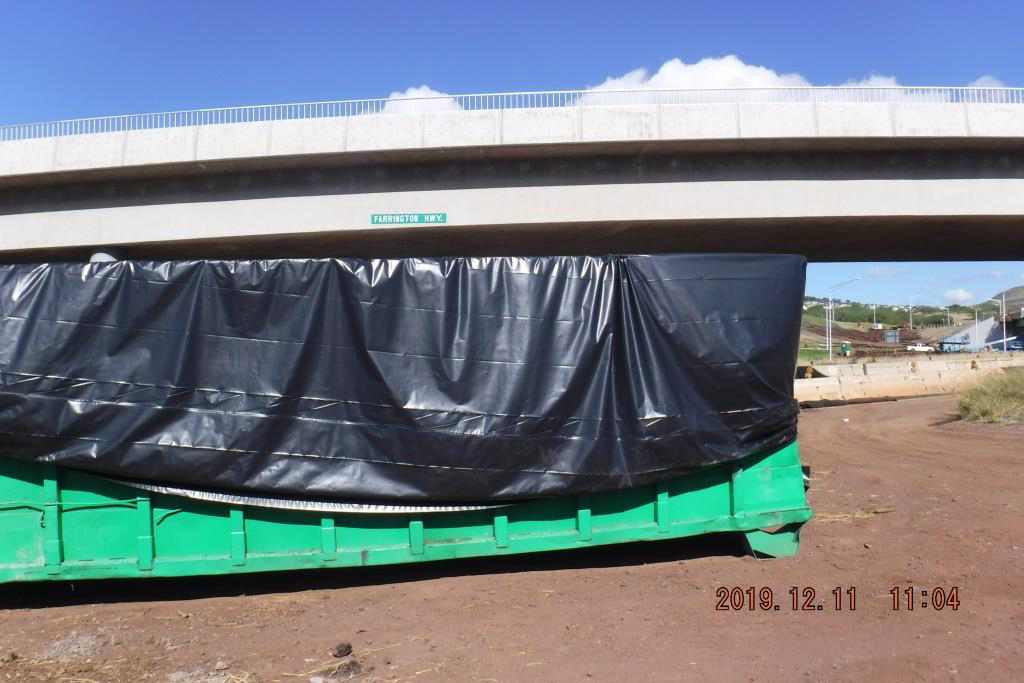
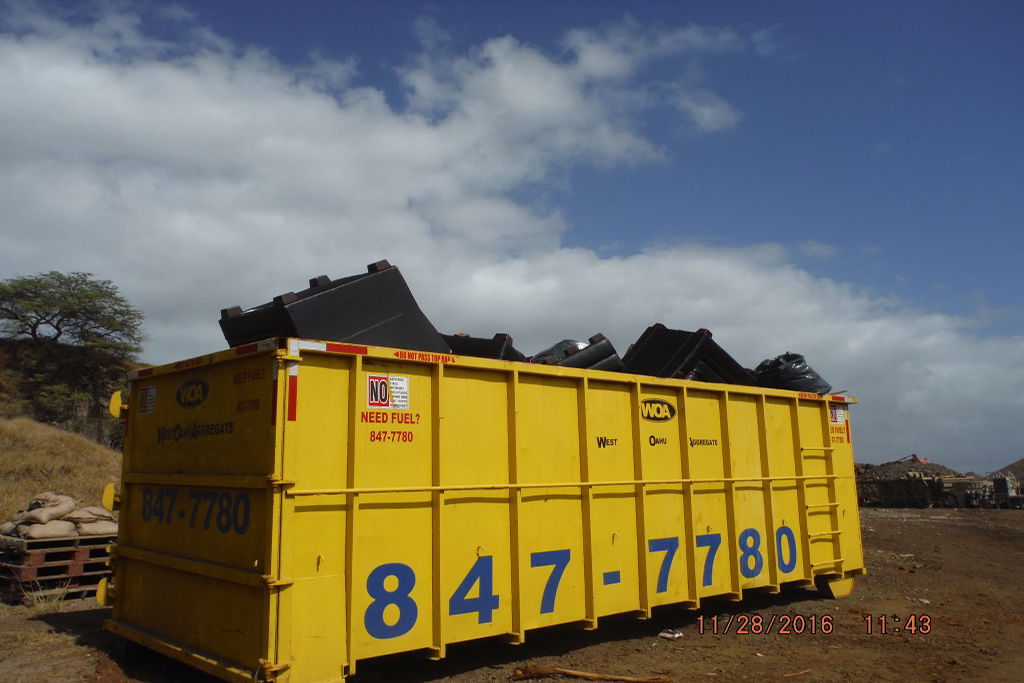
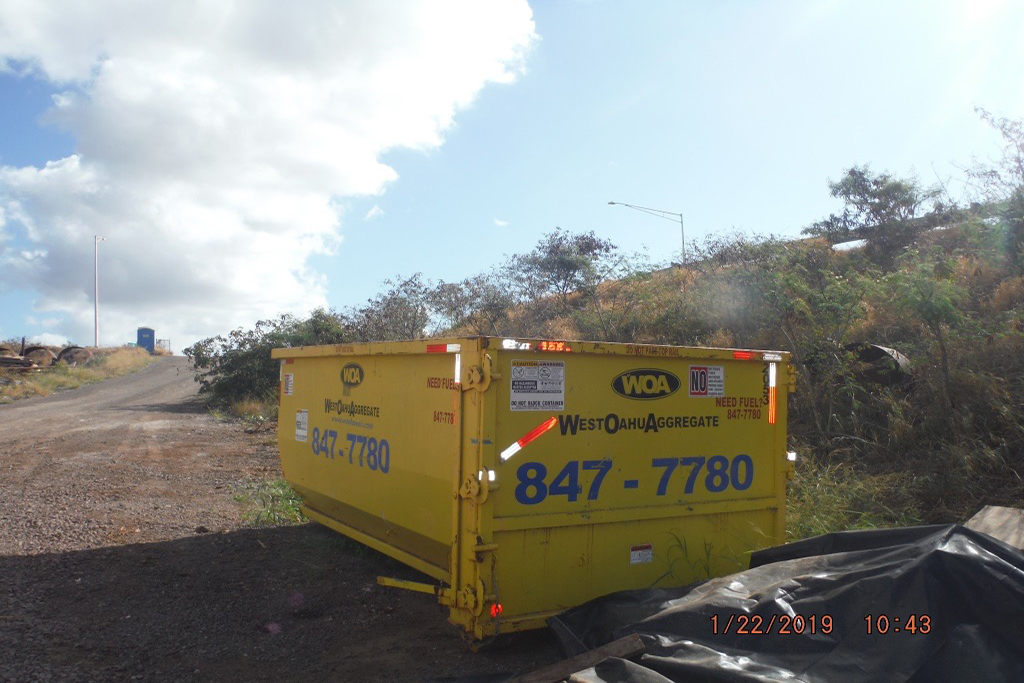
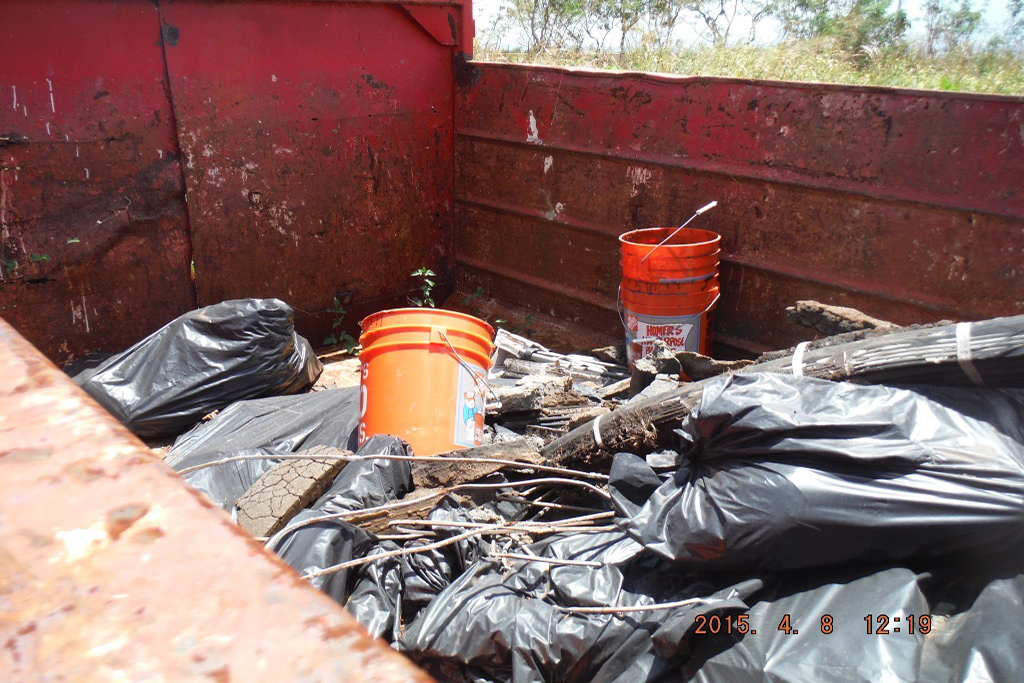
- Provide waste containers of sufficient size and number to contain construction and domestic waste. Dumpsters must be watertight and securely lidded. Roll off containers must be watertight and have a cover to keep rain out and prevent loss of waste during windy conditions.
- Waste containers may be covered with 10 mil plastic sheeting/Visqueen, tarpaulin, manufactured lid, or other impermeable material.
- Waste containers shall meet all local and state solid waste management regulations.
- Littering on-site is prohibited.
- Ensure construction waste is collected, removed, and disposed of only at authorized disposal areas. Any site not contiguous with the project site may need a permit to receive solid waste. This includes any site or facility that receives solid waste, landowners who want to accept and process solid waste, and contractors who have to take solid waste to their Baseyard.
- The contractor’s supervisory personnel shall be instructed regarding the correct practices for waste disposal. Post notices detailing these practices in the office trailer. The contractor shall ensure that these practices are followed.
- Follow all contract requirements regarding handling and disposal of solid waste.
- Fill out the Solid Waste Disclosure Form for Construction Sites at https://health.hawaii.gov/shwb/sw-permits/. Inform HDOT of disposal destinations and obtain all permits/approvals relating to stockpiling and disposal of material.
- Do not allow containers to overflow. Plan for waste and recyclable materials to be collected weekly or when containers are two-thirds full, whichever is sooner.
- Minimize production of solid waste materials wherever possible.
- It is highly recommended to reuse C&D waste when possible. For criteria for reuse, refer to DOH Tier 1 EALs for unrestricted land use. Refer to DOH Evaluation of Environmental Hazards at Sites with Contaminated Soil and Groundwater for more information on EALs.
- Consideration of soil that exceeds Tier 1 EALs for unrestricted land use, but meets the DOH environmental action levels for commercial use (Refer to DOH Evaluation of Environmental Hazards at Sites with Contaminated Soil and Groundwater, Appendix 1, Table I-2) for off-site reuse at such sites must be approved by HEER in consultation with the State of Hawaii Department of Health, Solid and Hazardous Waste Branch (SHWB).
- Notify the Resident/Construction Engineer of any illegal connections, illicit discharges, or illegal dumping not generated by the contractor. Fill out the Report a Violation Form at website – https://www.stormwaterhawaii.com/report-a-violation/ at the time of discovery.
Considerations
- Must sort waste material accordingly.
- Some types of solid waste can easily be washed away by storm water if not properly disposed of.
- The Engineer may reject imported fill from sources known to contain hazardous material.
- The import of fill material from a source that has not been evaluated could inadvertently recontaminate a remediated property, and may be considered illegal dumping. Contaminated fill material can also pose direct exposure hazards to workers and the public.
- Understanding the source of the fill material and the potential for contamination is very important.
- Construction vehicles may be necessary to put C&D waste in the correct bin.
- Construction personnel should not hose out containers on-site. Leave dumpster cleaning to the trash hauling contractor.
What to Inspect
- Are waste containers properly covered?
- Do waste containers exceed two-thirds capacity?
- Is there evidence of leaks or spills around waste containers?
- Is site neat and free of litter?
- Is waste being separated and placed in the appropriate bin?
- Are waste bins located away from drainage facilities, inlets, and open bodies of water?
- Is there evidence of illegal dumping on-site?
- Is trash removed regularly?
Maintenance
- Schedule solid waste collection regularly.
- Empty waste containers when they are two-thirds full.
- Schedule recycling activities based on construction/demolition phases.
- Do not allow containers to overflow.
- Repair/replace leaking or damaged dumpsters.
- Clean up site and dispose of waste in designated waste containers by the end of each work day.
- Keep disposal receipts and provide a copy to HDOT to document that the waste is disposed of at the facility permitted on the Solid Waste Disclosure Form for Construction Sites.
- Solid waste shall be taken directly from the project site to the facility permitted on the Solid Waste Disclosure Form for Construction Sites.
BMP Examples
Are adequate BMPs installed to prevent the discharge of pollutants from the project site? Hover over each photo for an explanation of the situation presented and if BMPs have been installed properly.