
Description
Temporary devices placed across channels, ditches or swales to reduce scour and erosion by reducing flow velocity and promoting sedimentation.
Applications
- Appropriate for small open channels conveying runoff from 10 acres or less.
- Steep channels with runoff velocities exceeding 2 feet/second.
- Temporary ditches which do not require installation of erosion-resistant linings due to expected short-term use.
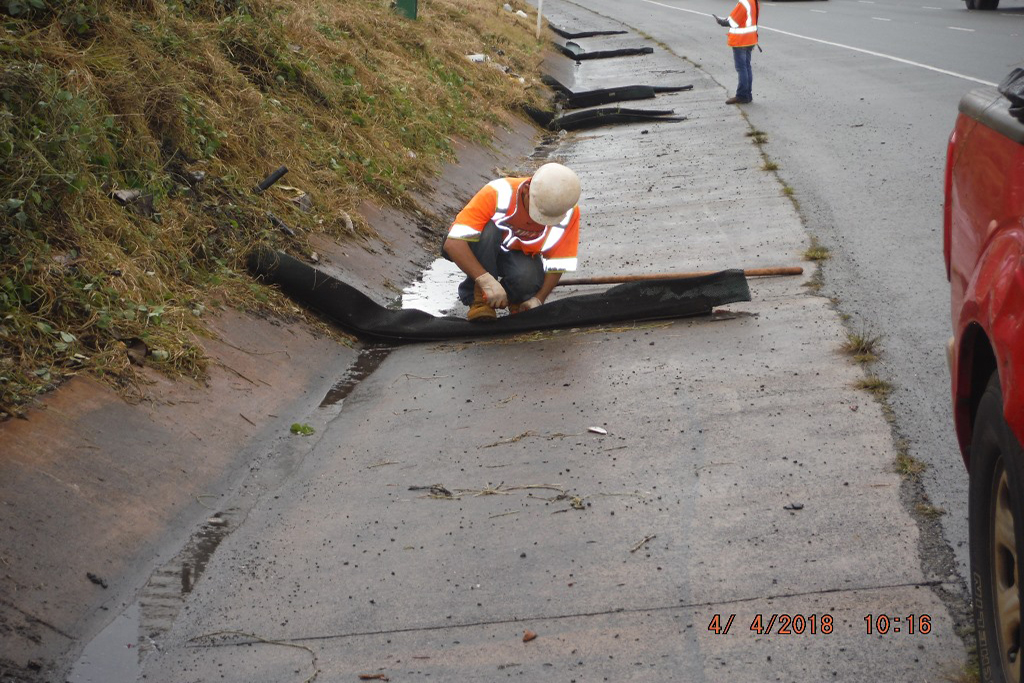
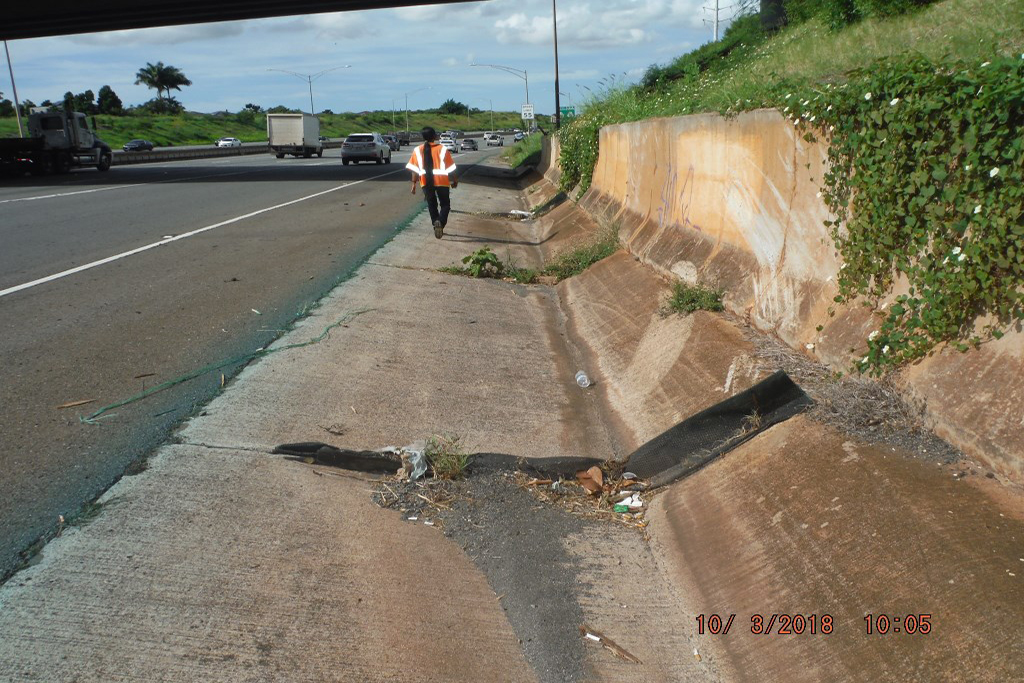
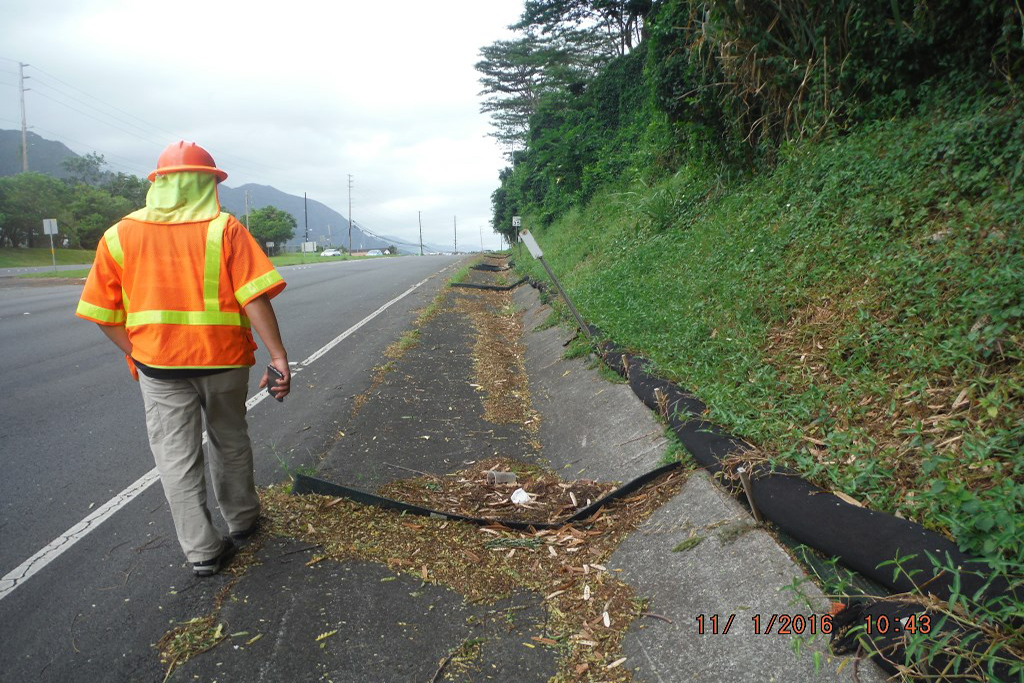
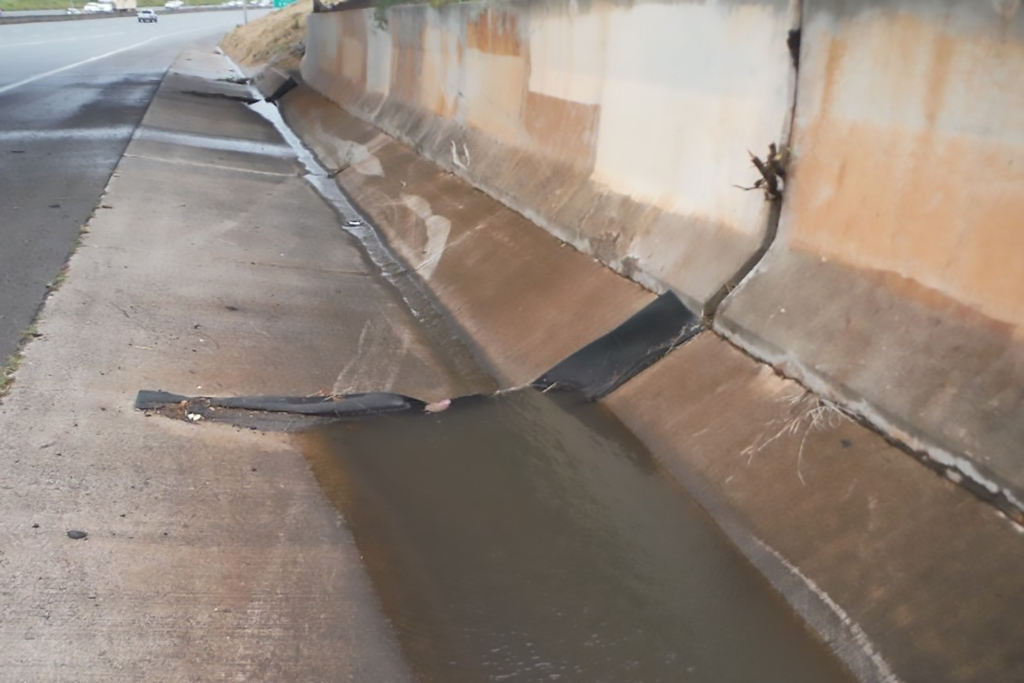
- May be used in a curb and gutter scenario.
APPLICABLE CHECK DAM DEVICES
- Rocks
- Sandbags/gravel bags wrapped in geotextile
- Logs
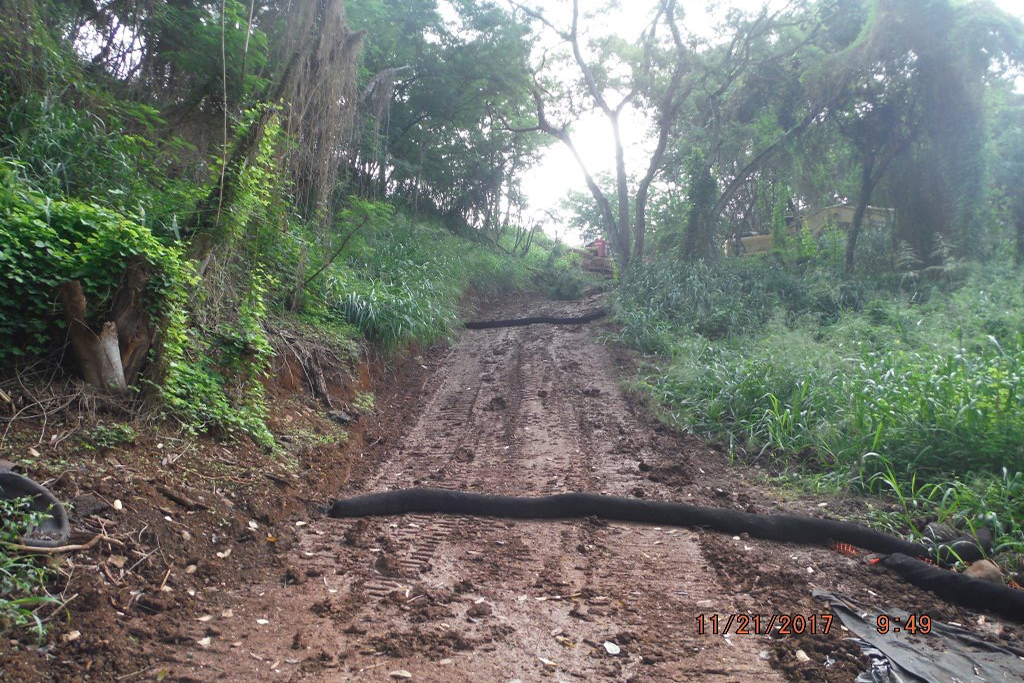
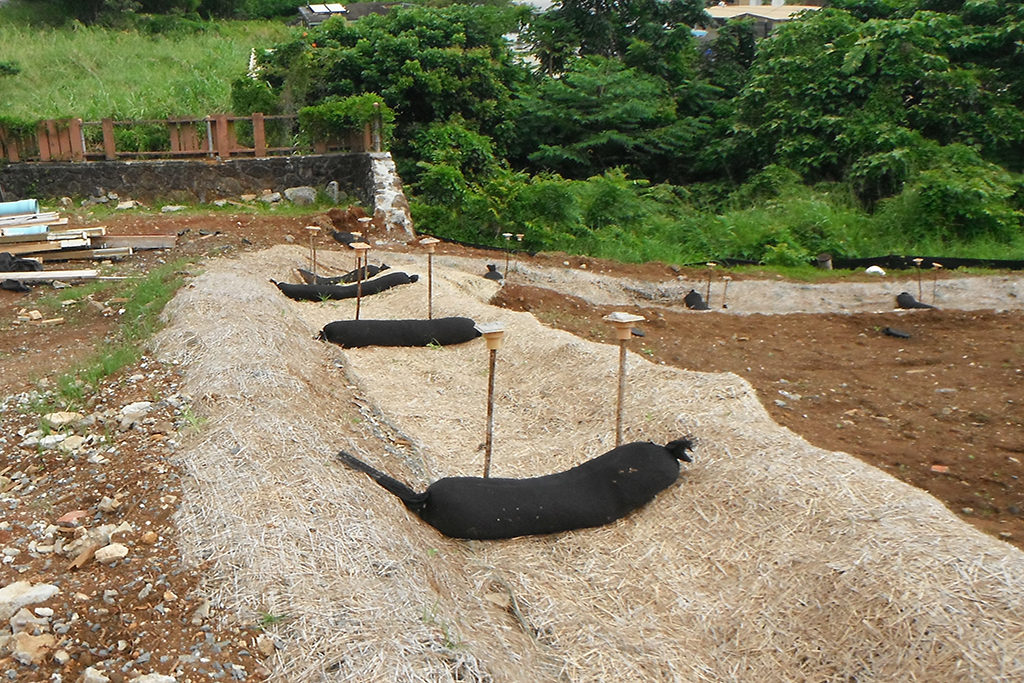
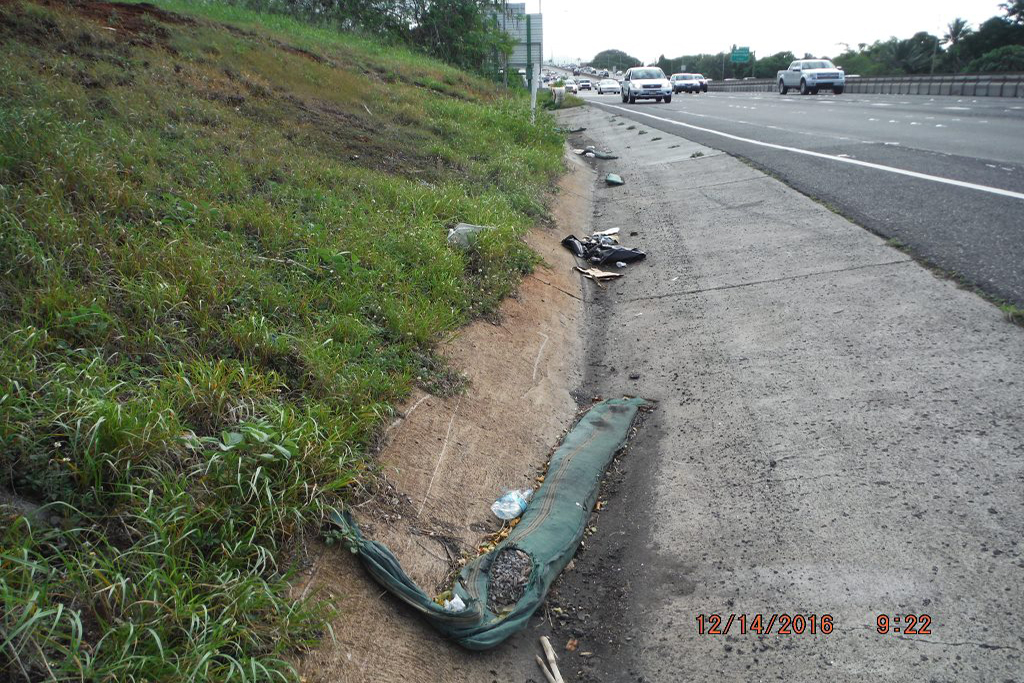
- Snake bags
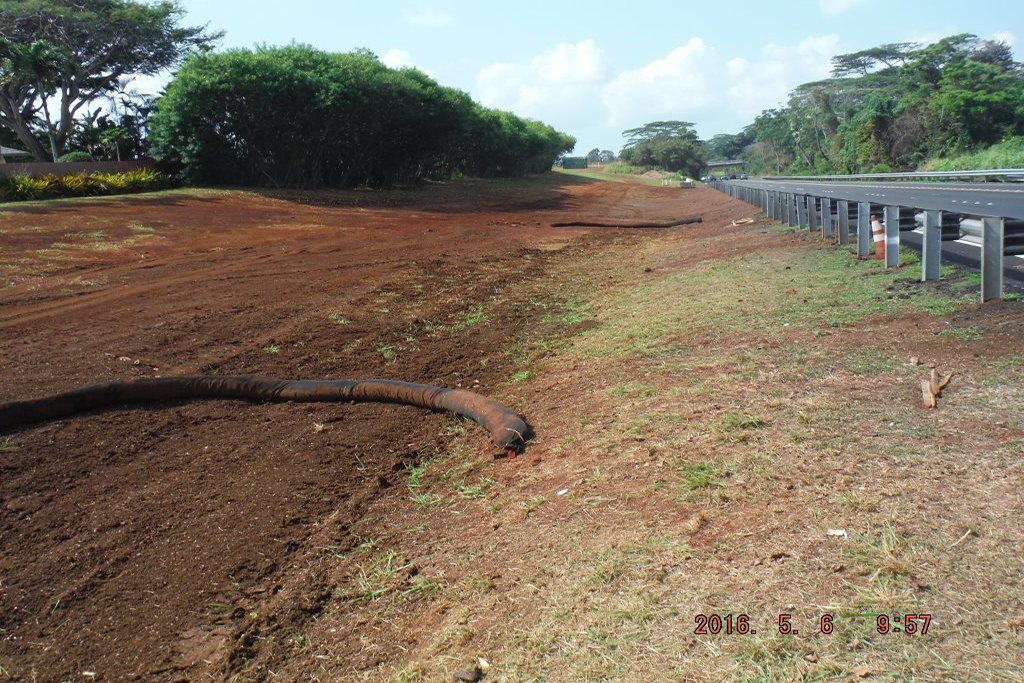
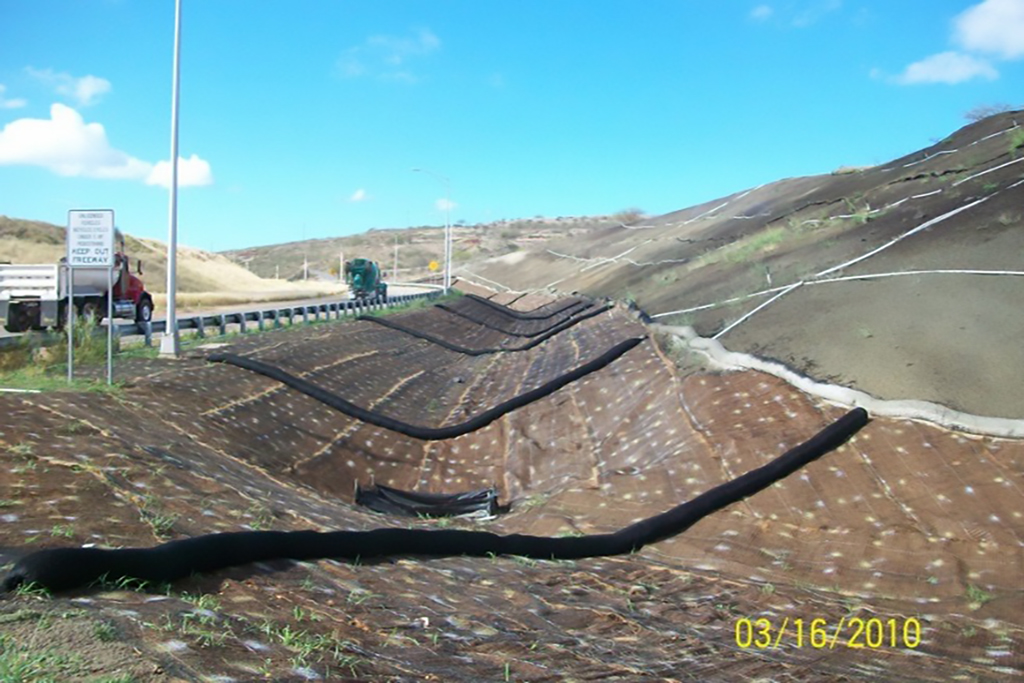
- Compost filter berms/socks
Installation and Implementation Requirements
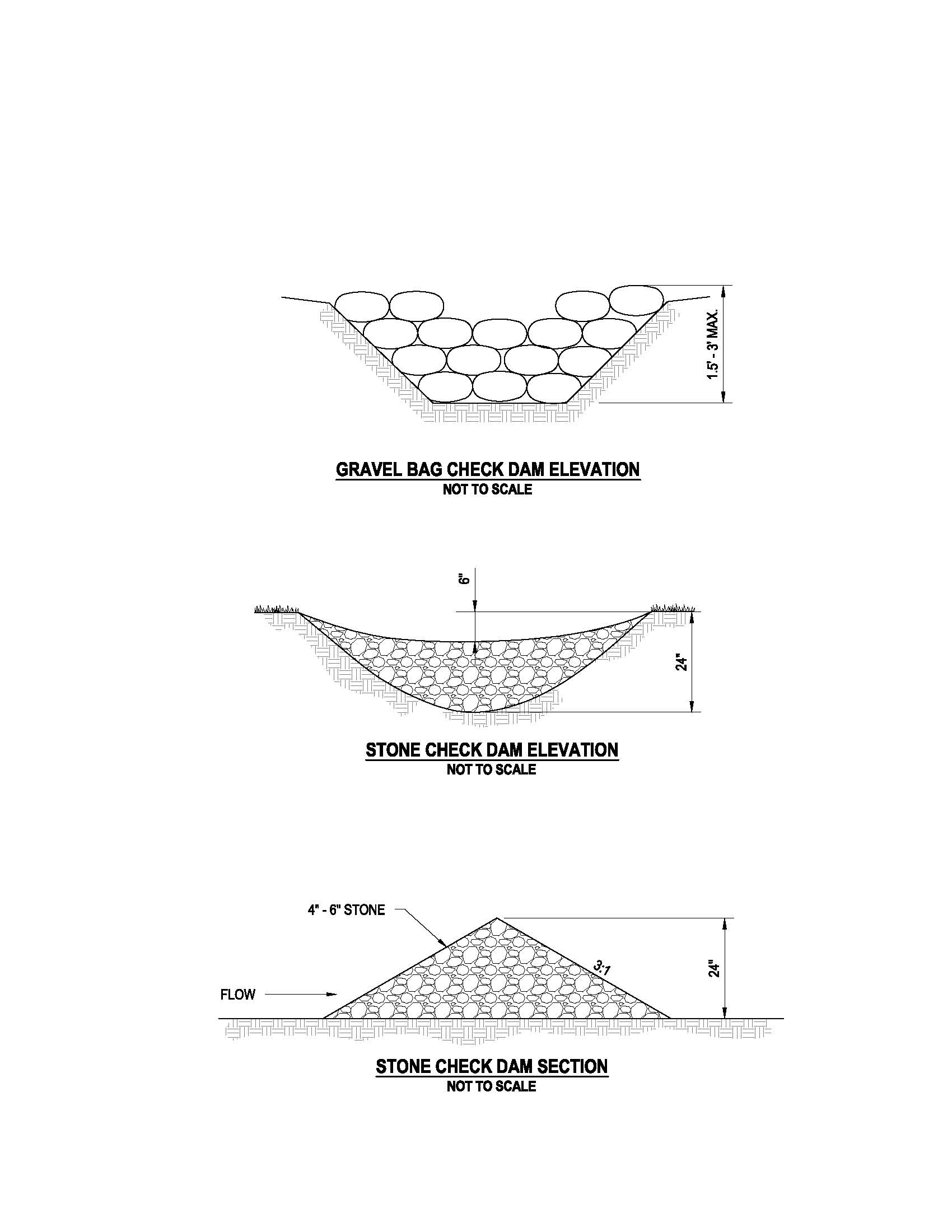
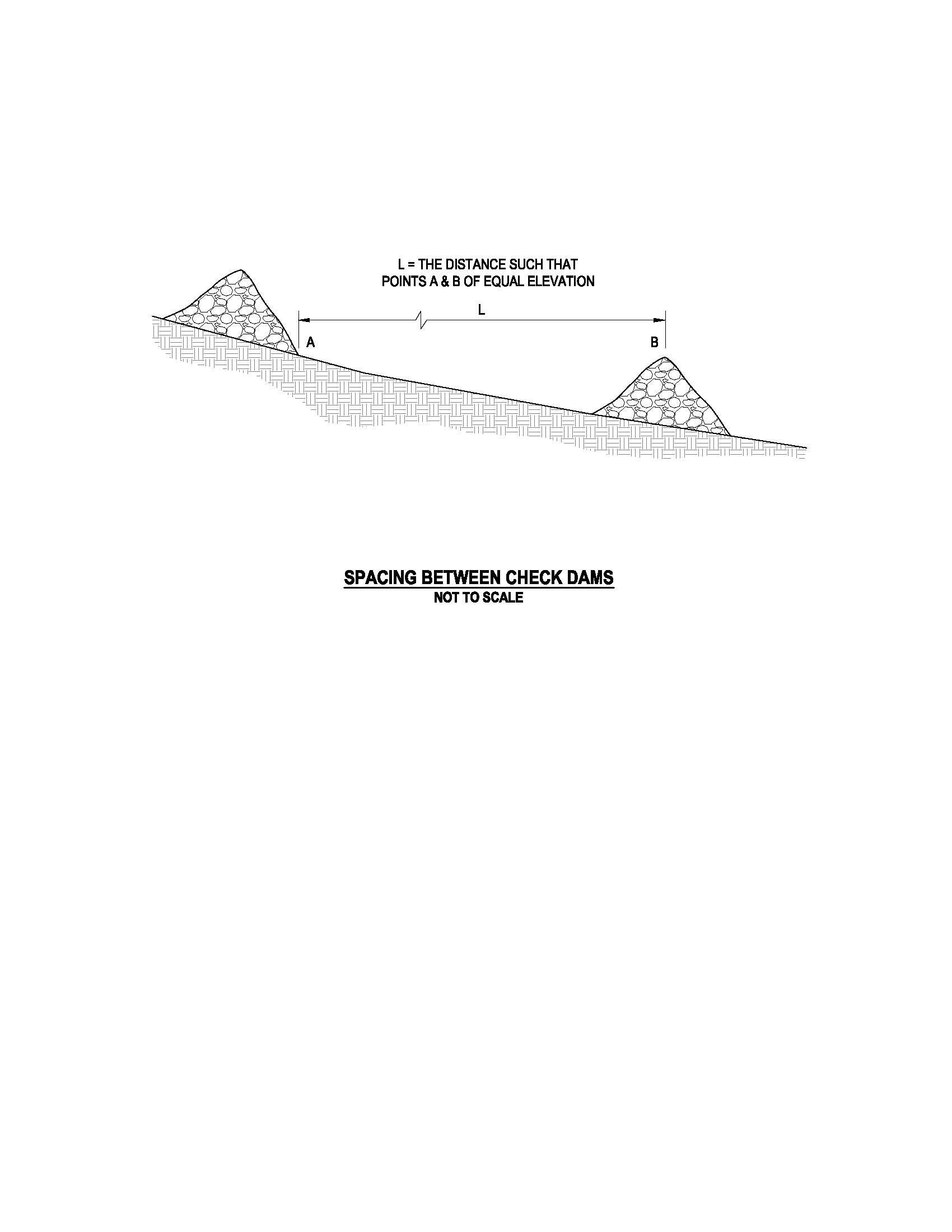
- Distance between check dams and height of each device shall promote the formation of small pools between adjacent devices.
- Backwater from the downstream check dam shall reach the toe of the upstream check dam.
- Major flows shall flow over the check dam without increasing upstream flooding or damaging the check dam.
- Remove check dams and accumulated sediment upon establishment of vegetative lining.
- Stone check dams shall consist of stones ranging from approximately 8 to 12 inches in size.
- Stones shall be placed by hand or by other mechanical means, not dumped.
- Stone material shall completely span the channel or ditch to prevent washout of the check dam.
- Geotextile should be installed under stone check dams. Check dams should be 6 inches lower in the center than at the ends to allow flow over the center.
- Log check dams shall consist of logs ranging from 4 to 6 inches in diameter. Logs shall be embedded a minimum of 18 inches into the soil.
- Remove check dams upon establishment of grass used for stabilization of the ditch or channel, unless the slope of the swale exceeds 4%.
Considerations
- Drainage area discharging to open channels shall not exceed 10 acres.
- Not applicable to live streams and rivers.
- Not applicable to channels with established grass linings unless erosion is expected since check dam installation may damage existing vegetation.
- High velocity flows may require extensive maintenance.
- Subsequent storms or removal of the check dam may resuspend trapped sediment.
What to Inspect
- Is height of check dam effective?
- Is there evidence of sediment bypassing the check dam?
- Does the rock check dam have dislodged stones?
- Are check dams adequately spaced to slow the velocity of flow?
- Is there traces of undercutting?
- Has accumulated sediment reached one-half the height of the check dam?
- Are check dams the required diameter?
- Are check dams properly oriented?
Maintenance
- Remove accumulated sediment when depth reaches one-half the sump depth.
- Replace/repair damaged gravel bags or sandbags.
- Replace dislodged stones from rock check dams to sustain initial design.
- Reposition and clean compost filter sock check dams that get pushed out of position by a heavy flow.
BMP Examples
Are adequate BMPs installed to prevent the discharge of pollutants from the project site? Hover over each photo for an explanation of the situation presented and if BMPs have been installed properly.