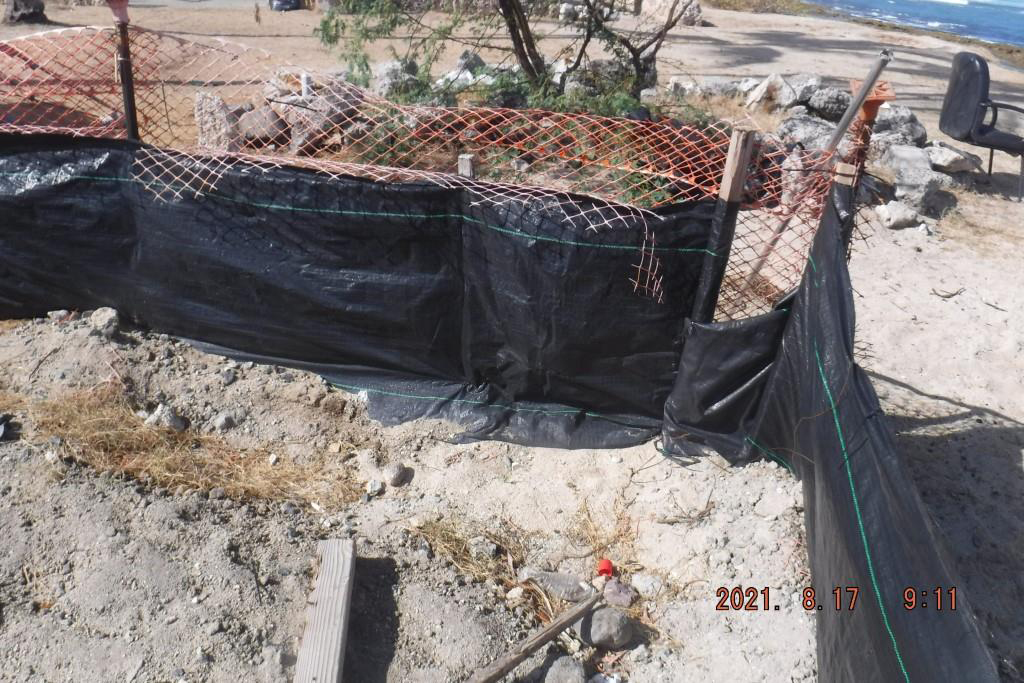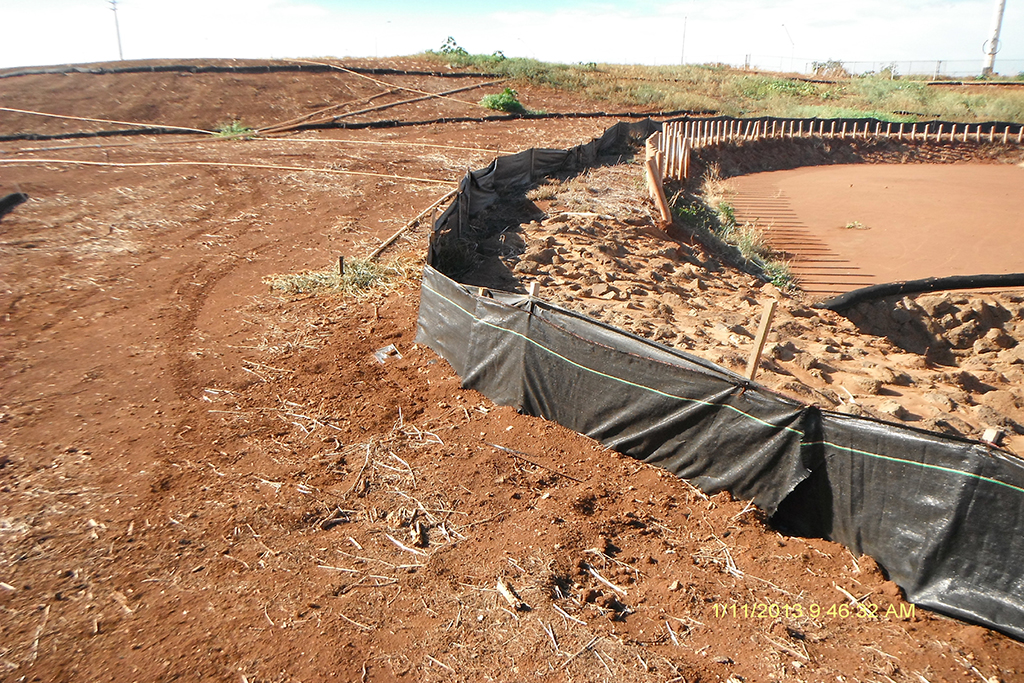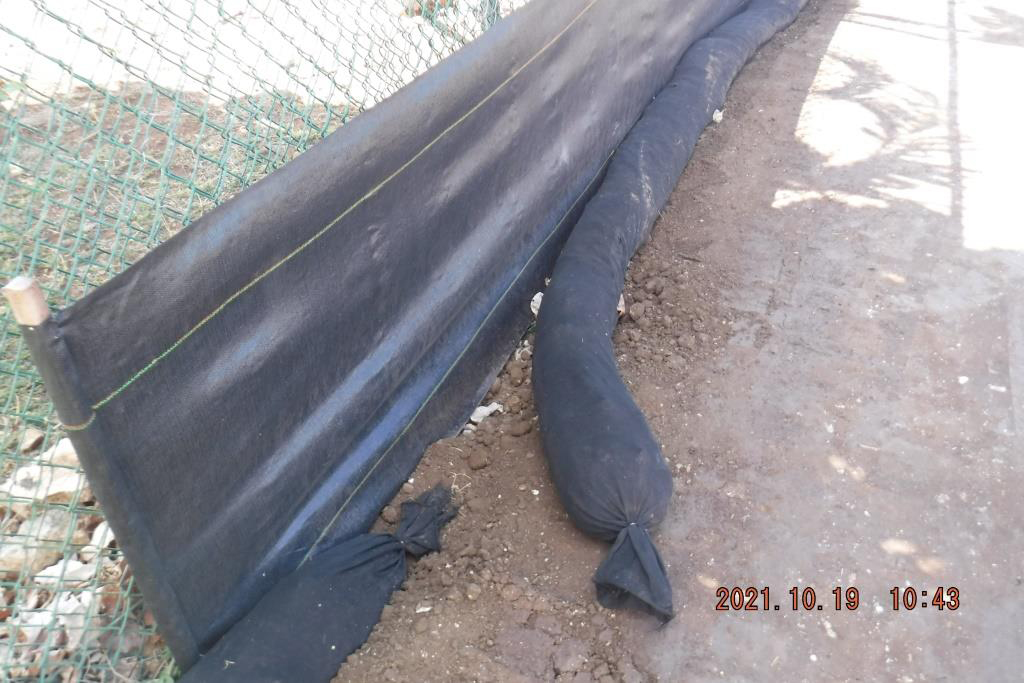

Description
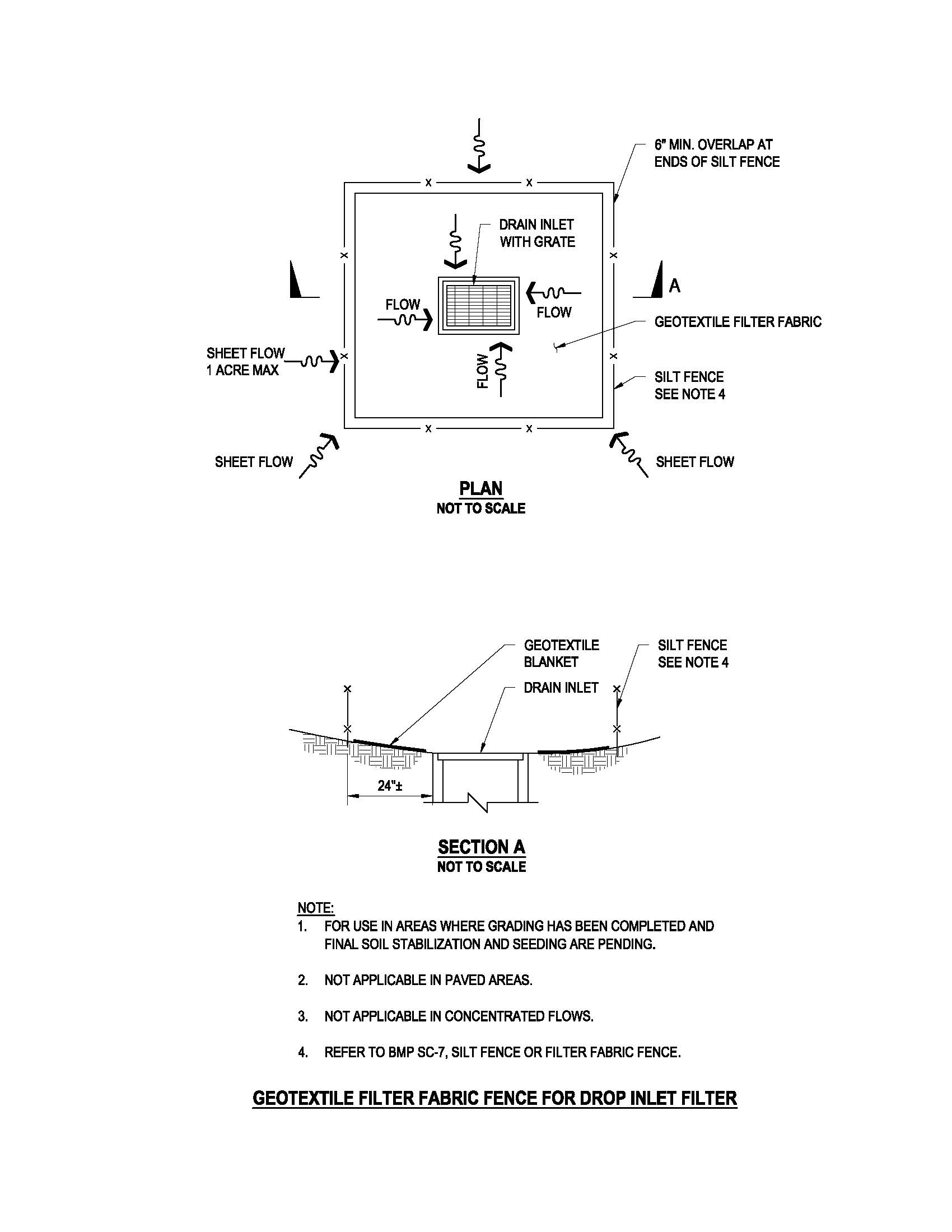
Temporary linear sediment barrier composed of permeable fabric designed to intercept and slow sediment-laden storm water.
Applications
- Install along the site perimeter.
- Install around temporary spoil or stockpiles.
- Install along streams and channels.
- Position below the toe of cleared or erodible slopes.
- Protect downslope of exposed soil areas.
- Place along the top of slope or other areas to reduce effects of sheet flow.
Installation and Implementation Requirements
- Install silt fence along or parallel to contours.
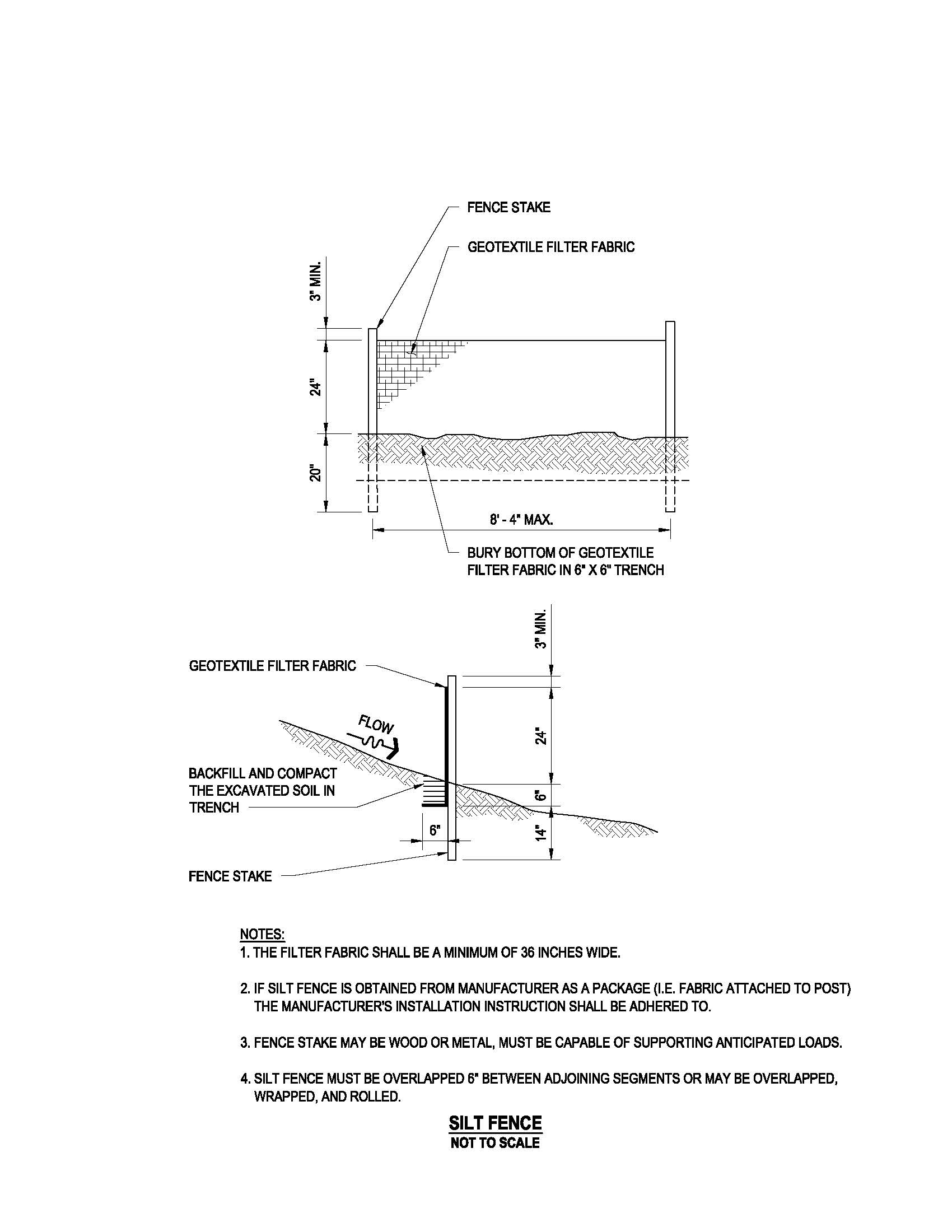
- Excavate a trench 6 inches wide and 6 inches deep along the line of the silt fence (soil slicing may be considered).
- Place the bottom of the silt fence in the trench.
- Backfill the trench and compact the soil by hand or mechanically.
- Silt fence posts shall be wooden, 1.25-inch × 1.25-inch × 48-inch, and be driven a minimum of 14 inches into the trench (see silt fence detail). Posts shall be installed on the down slope side of the silt fence. Silt fence posts may be attached to the fabric on-site or silt fence with pre-attached posts may also be used.
- Silt fence products using steel rebars in lieu of wood posts must use #4 or larger rebar and must include a safety cap on all exposed edges.
- Silt fence must be overlapped 6 inches between adjoining segments or may be overlapped, wrapped, and rolled.
- Ends of silt fence shall be turned uphill.
- Primarily used where sheet flow occurs.
- When using 2 rows of silt fence, install far enough apart to prevent the collapse of 1 fence from impacting the other.
- Install silt fence according to the specifications listed above or per manufacturer’s specifications, whichever is more stringent.
Considerations
- Avoid installing silt fence on slope. However, if silt fence is placed on a slope, fence posts may need additional embedment.
- Do not install in streams, channels, or areas of concentrated flow.
- Do not use to divert flow.
What to Inspect
- Is there sediment accumulating behind the silt fence?
- Is the silt fence properly installed?
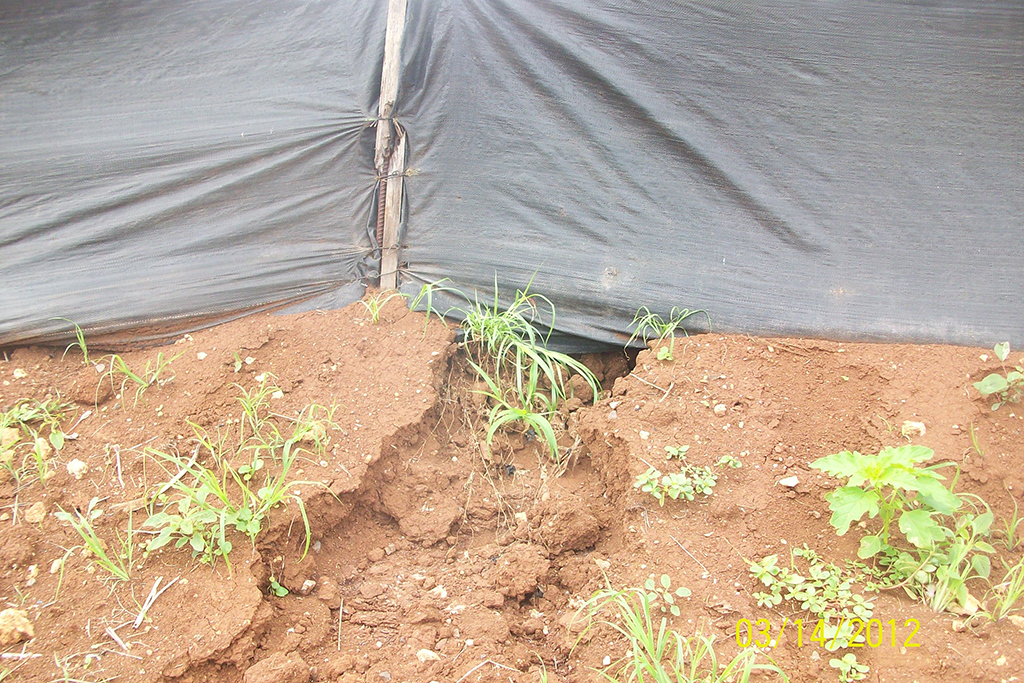
- Is there evidence of undermining or undercutting?
- Are adjoining segments seamless?
- Does silt fence have rips, tears, or degradation of fabric?
- Are stakes on downgradient side?
- Is the fabric securely attached to the stakes?
Maintenance
- Repair or replace damaged fence or posts.
- Repair or replace split, torn, slumping, or weathered silt fence.
- Repair or reinstall silt fence where undercutting has occurred.
- Remove accumulated sediment when depth reaches one-third the barrier height.
- Maintain vegetative ground cover upstream of the silt fence. Bare soil upstream of the silt fence can increase frequency and possibility of silt fence failure.
BMP Examples
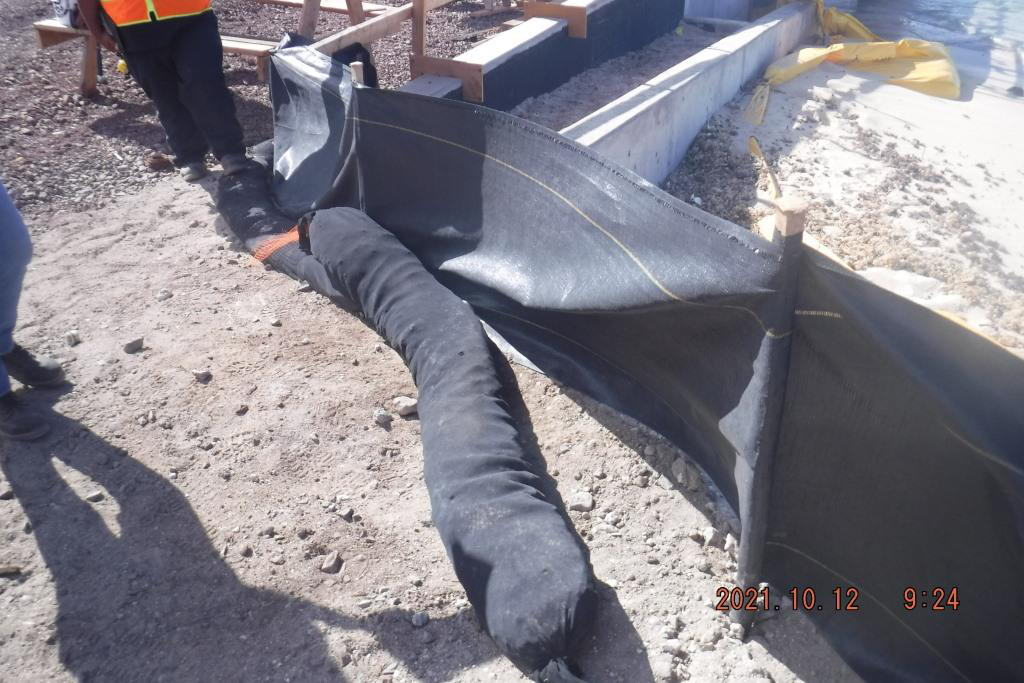
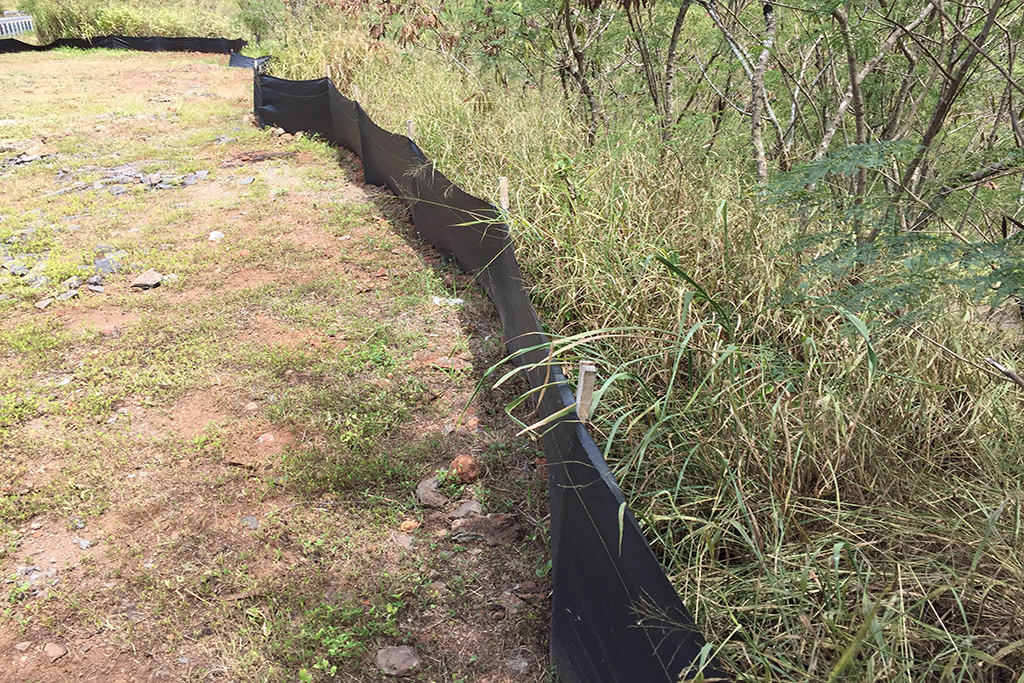
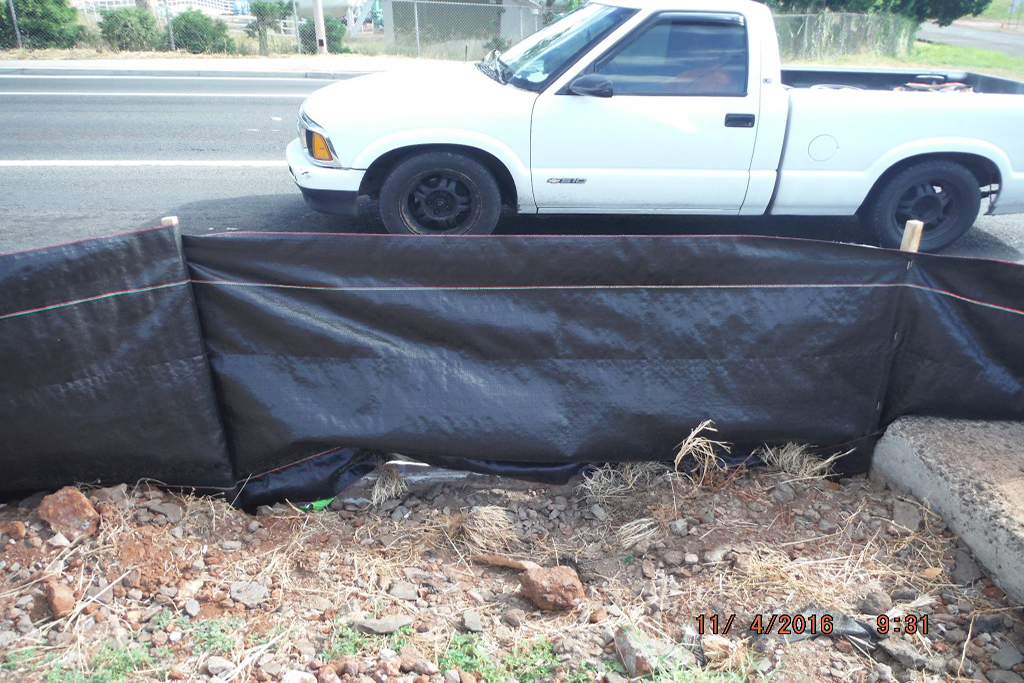
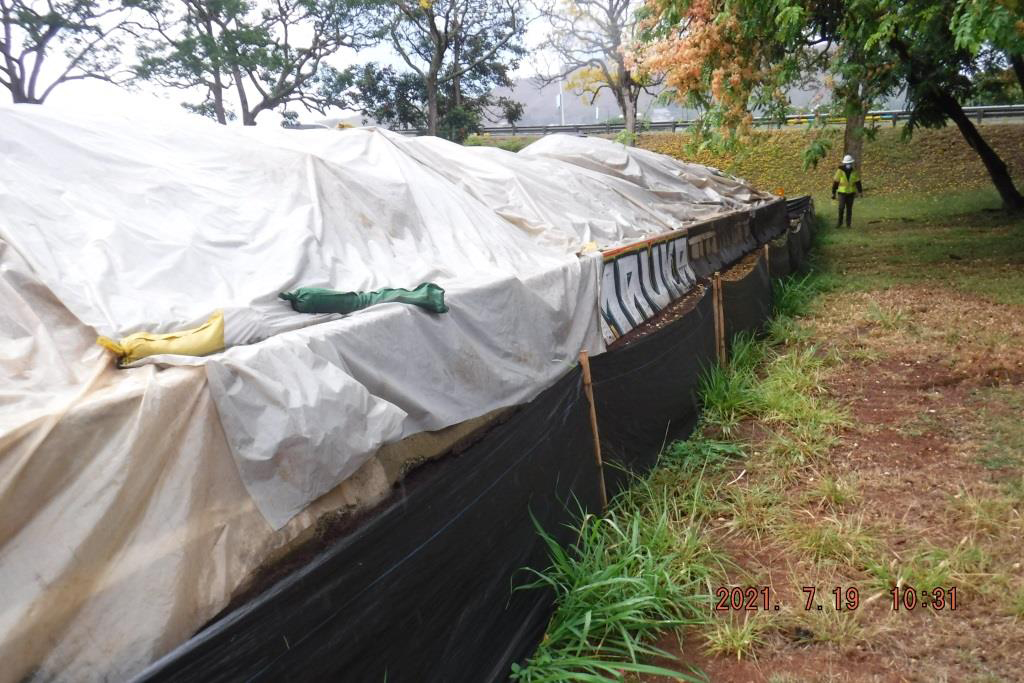
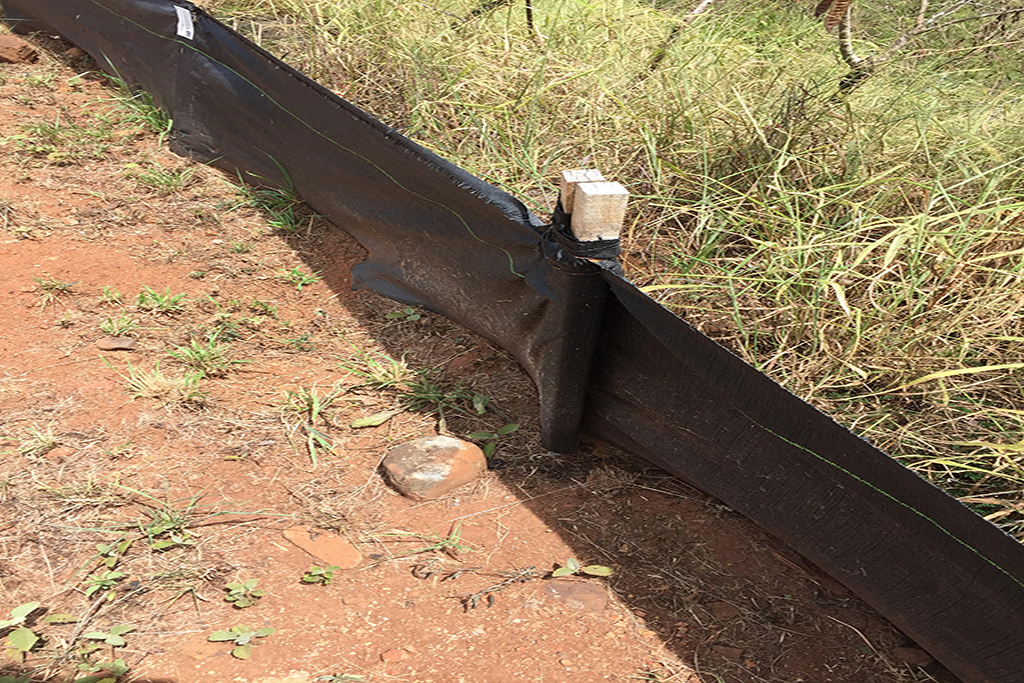
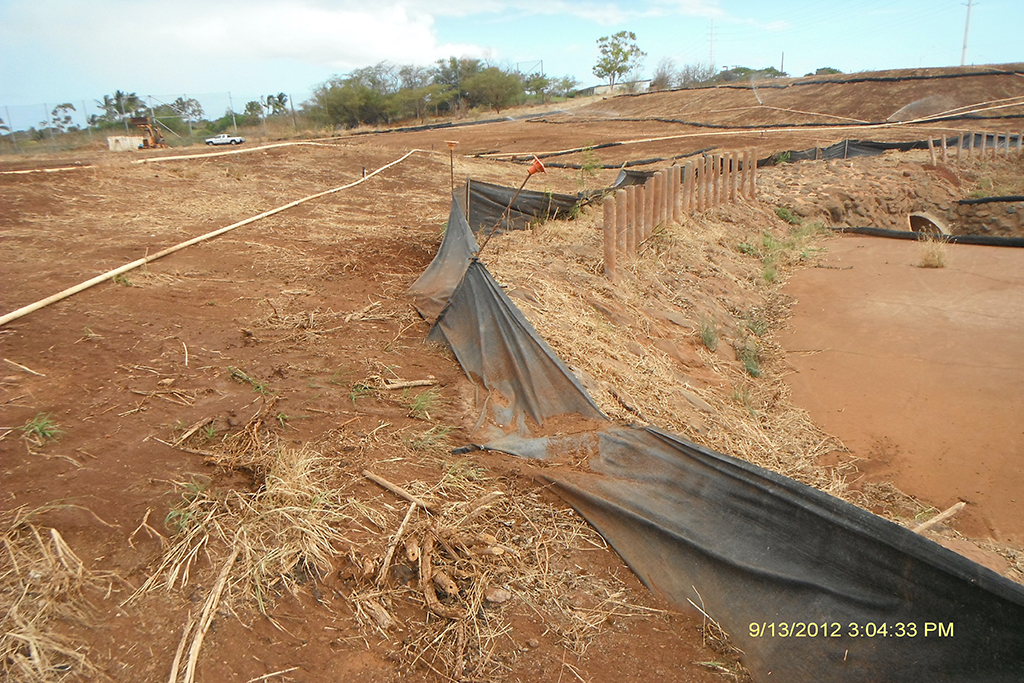
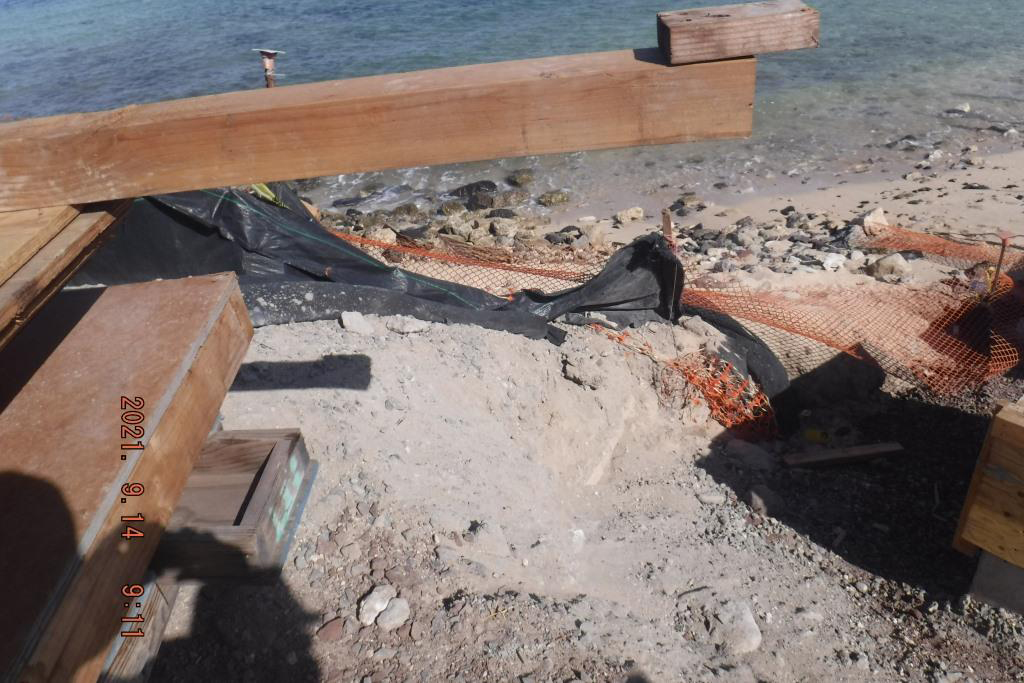
Are adequate BMPs installed to prevent the discharge of pollutants from the project site? Hover over each photo for an explanation of the situation presented and if BMPs have been installed properly.