
Description
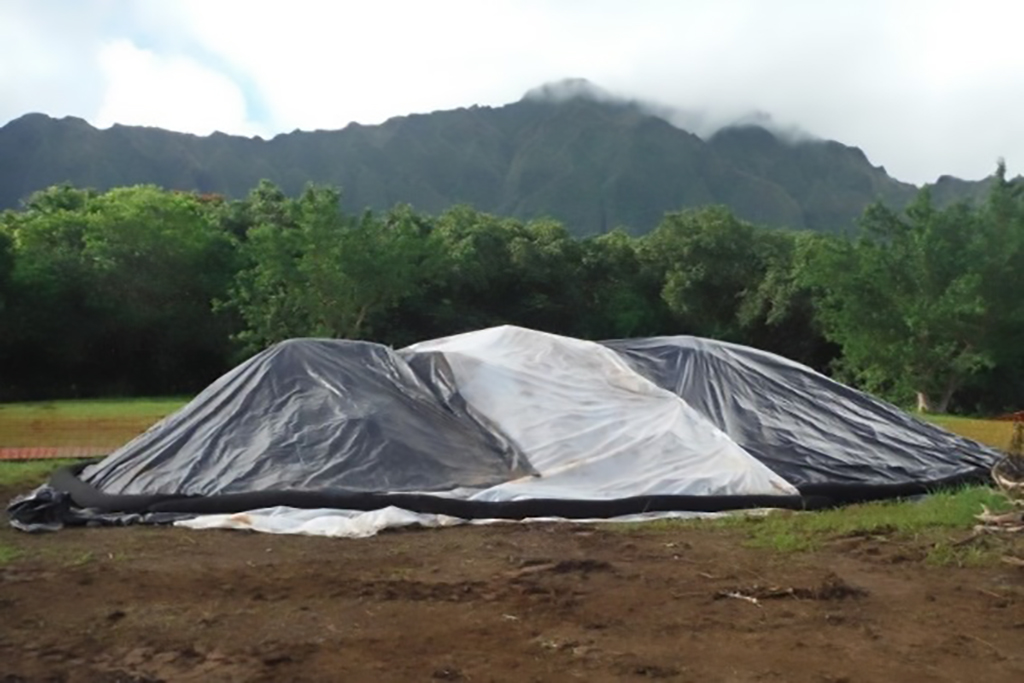
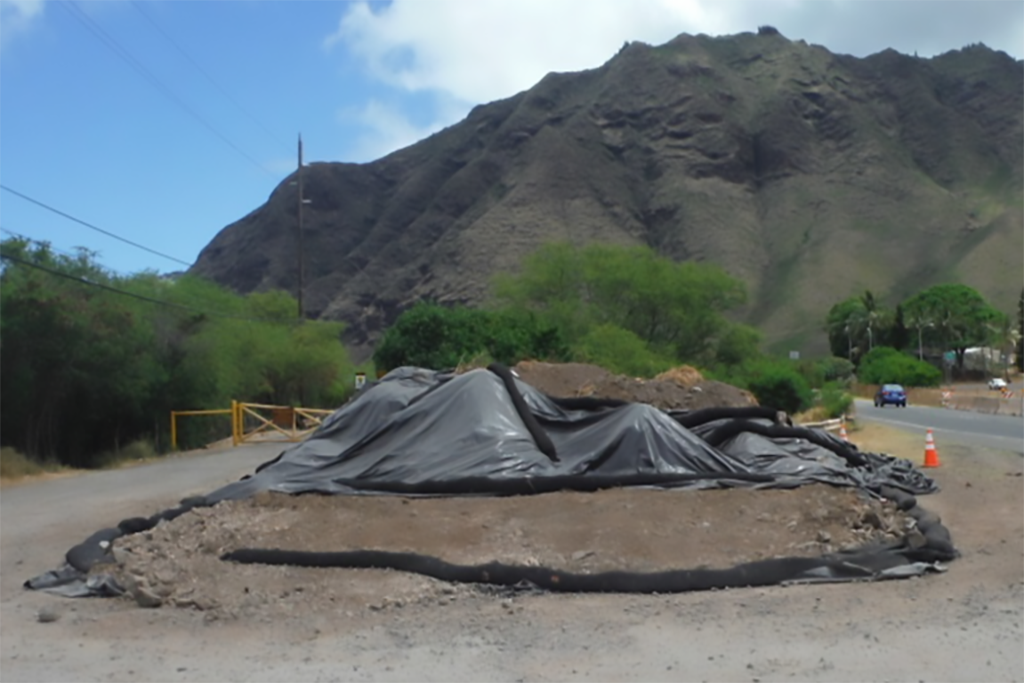
Stockpile protection measures to reduce the potential for air and water pollution originating from stockpiles of construction materials and spoil piles. Stockpiled materials may include soil, Portland cement concrete (PCC), asphalt concrete, cold mix asphalt, and aggregate. Spoil piles may include materials excavated from a trench, tunnel, shaft or other excavation activity.
Applications
Provide proper protection of stockpiles on construction sites. The table below provides a list of materials commonly stockpiled on construction sites and examples of BMPs for stockpile protection, depending on what material is being stored and the associated risk it poses.
Common Stockpile Material | Examples of BMPs |
|
|
|
|
|
|
|
|
|
|
Installation and Implementation Requirements
- Locate stockpiles a minimum of 50 feet, or as far as practicable, from concentrated runoff, waterbodies, and inlets. If impracticable, additional precautions should be taken to protect storm drain inlets, open drainage facilities, and waterbodies.
- Place bagged materials on pallets and under cover.
- Provide physical diversion to protect stockpiles from concentrated runoff.
- with 10 mil plastic sheeting or comparable impermeable material.
- Cover may be removed while adding to or removing from the stockpile. Replace the cover when not in use.
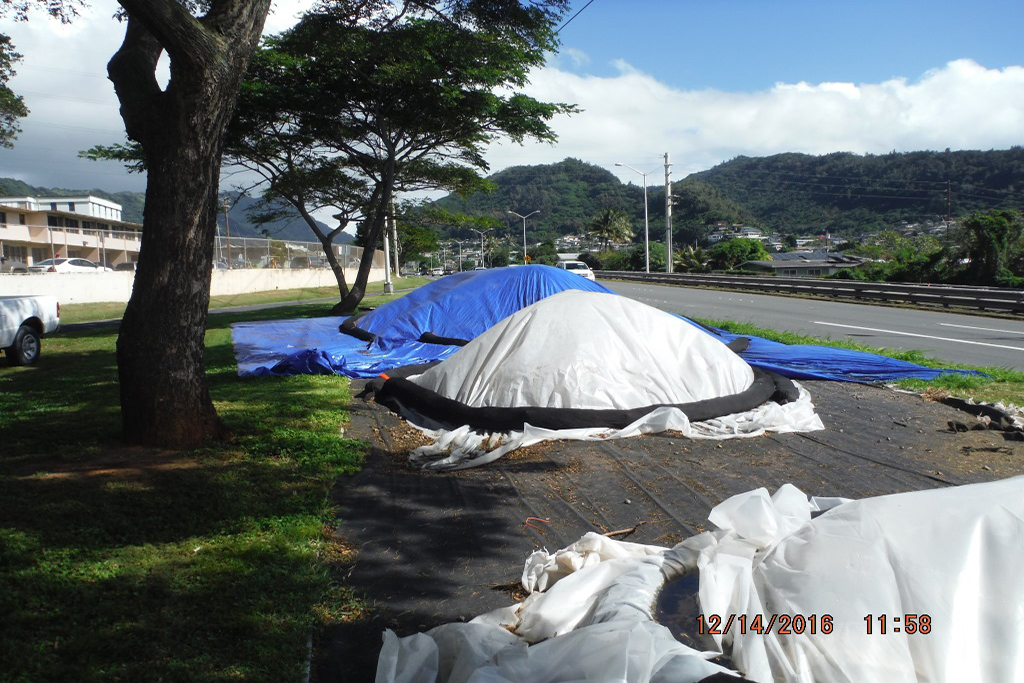
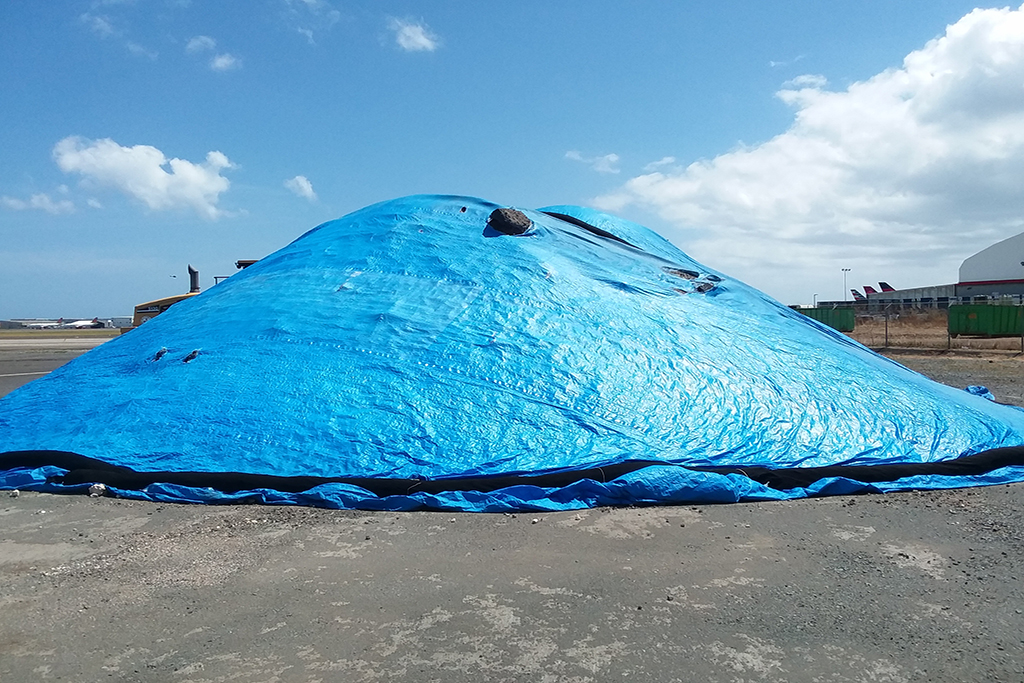
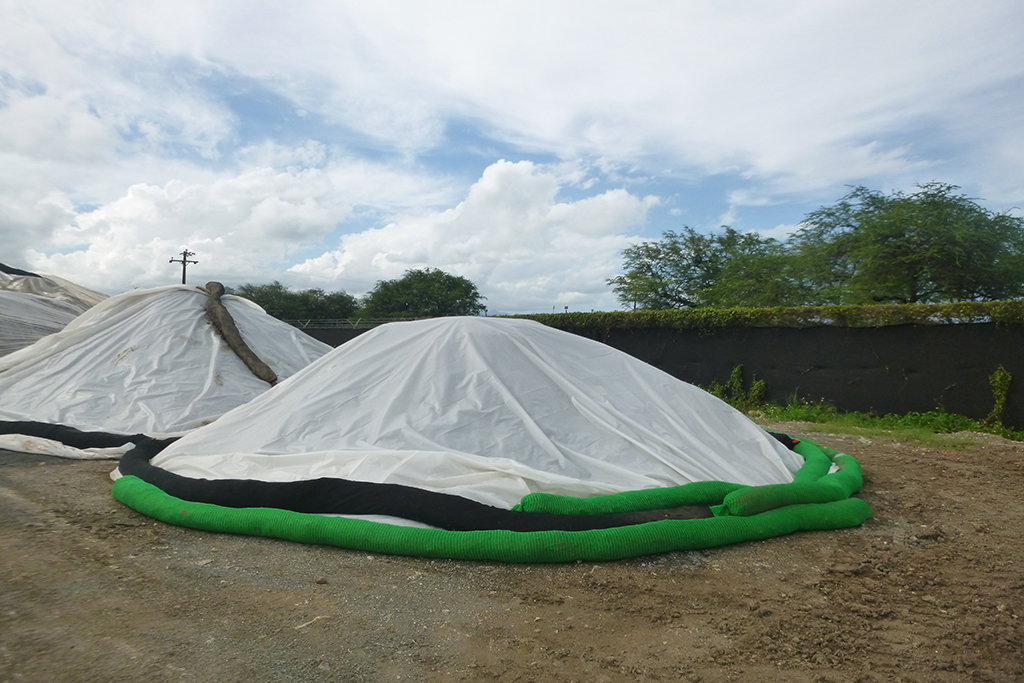
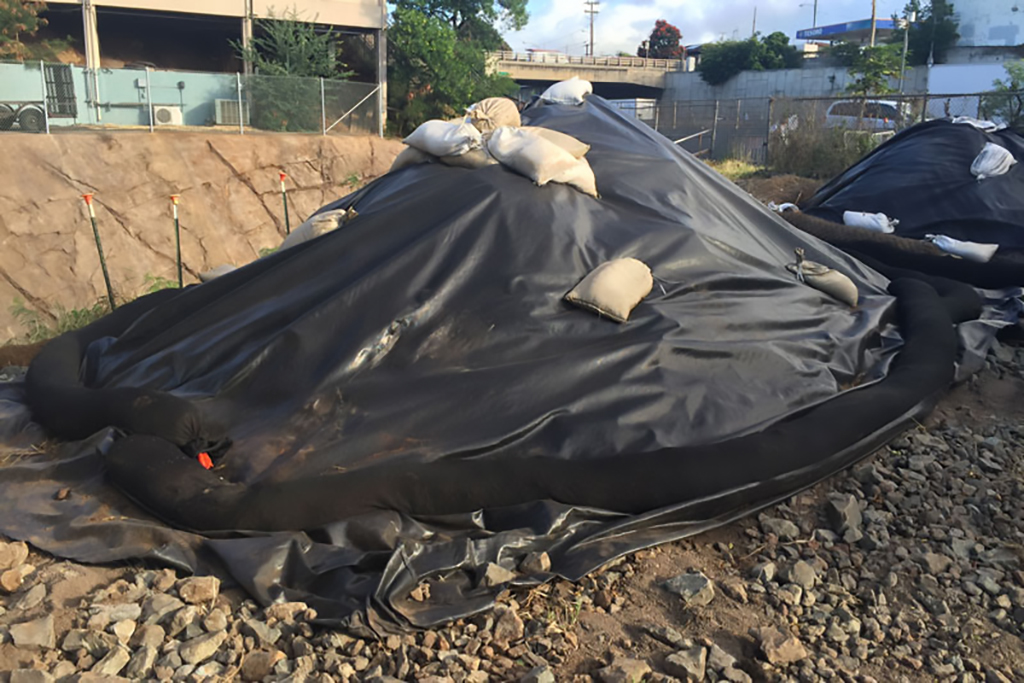
- Cover should be weighted down to prevent it from blowing off.
- Geotextile filter fabric is an acceptable cover for mulch stockpiles or other heat producing materials.
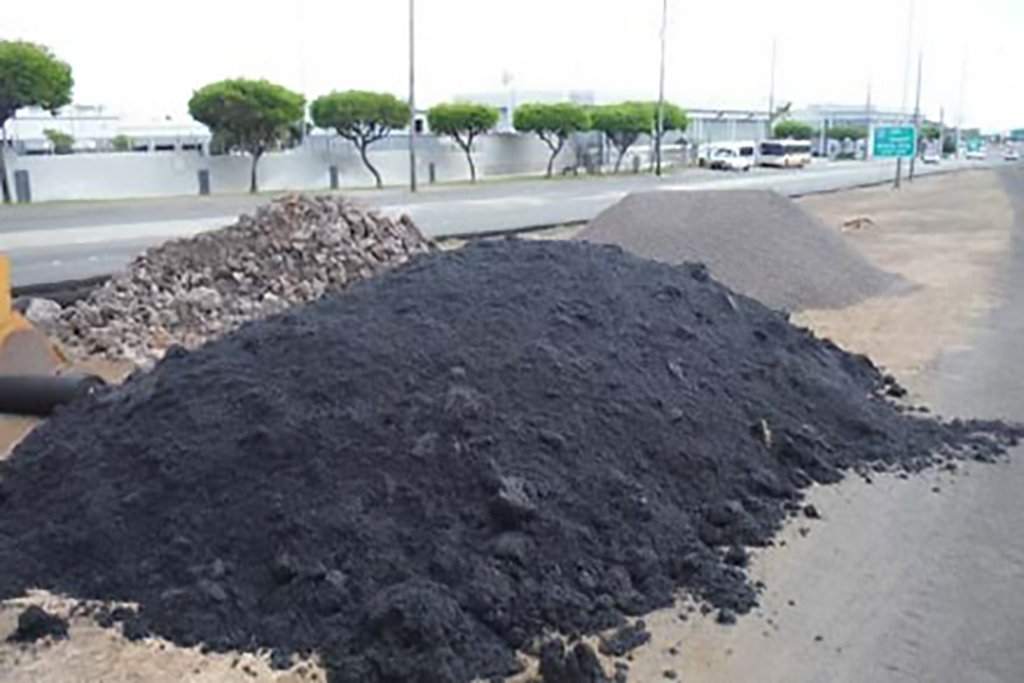
- Stockpiles of paving materials must not be placed directly on the ground. Place on 10 mil plastic sheeting or similar impermeable material or dispose of it properly off-site at the end of the day.
- Soil stabilization measures may be used if soil stockpiles will be inactive for an extended amount of time. Hydroseeding, hydromulching, and tackifiers may be accepted as adequate soil stabilization measures. See sections EC-13 Hydroseeding, EC-15 Hydromulching, and EC-16 Soil Binders for more information.
- approximately 1 to 2 feet from the base of the stockpile.
- Stockpiles consisting of aggregate may need to be covered depending on the amount of fines present.
- Stockpiling topsoil for extended periods of time can reduce the biotic benefits of the existing soil. Topsoil stockpiles should be stored for as little time as possible.
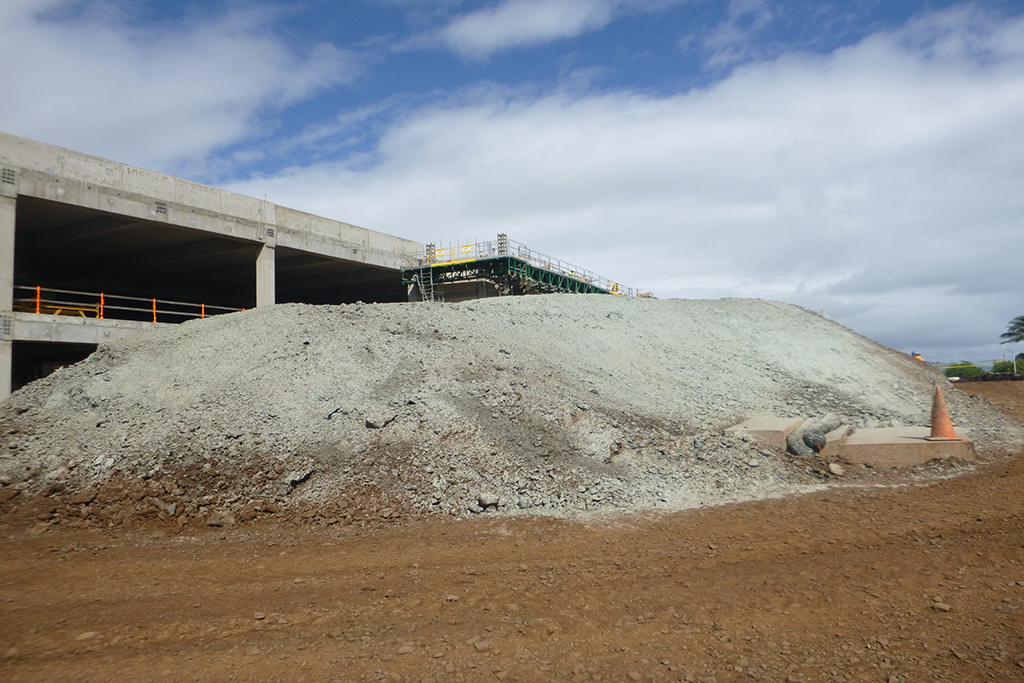
- Stockpiles must be covered at the end of each work day and before each anticipated rain event.
- Minimize compaction of soil stockpiles.
- Ensure stockpile heights can be managed and should be no taller than surrounding structures.
Considerations
- Stockpiles are only applicable for temporary storage of material.
- Perimeter controls for the project limits are not considered stockpile protection.
- Stockpiles cannot be located in any natural buffer area.
What to Inspect
- Are stockpiles completely covered?
- Is perimeter control installed at the base of the stockpile?
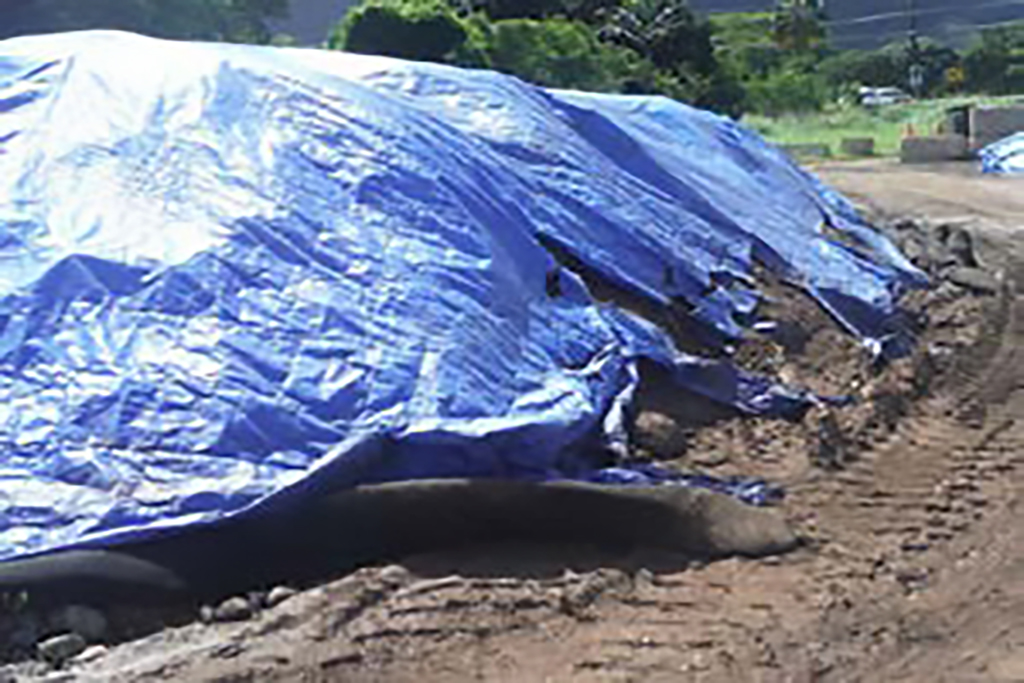
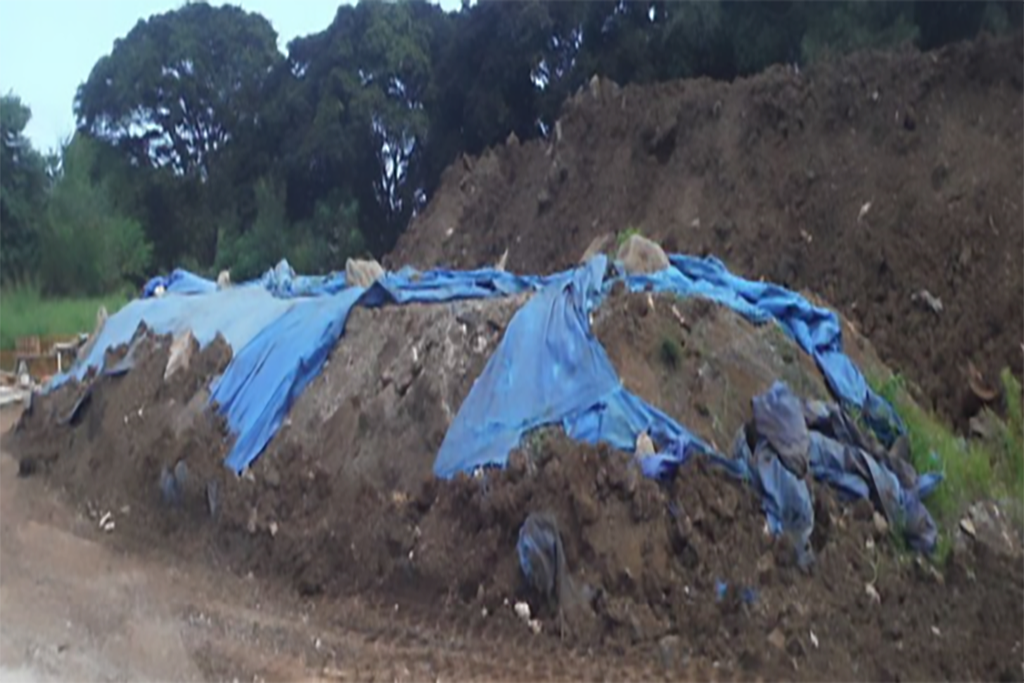
- Are there tears/rips in the stockpile cover?
- Is there evidence of water or wind erosion?
- Are stockpiles located away from concentrated flows, open waterbodies, and inlets?
- Does the stockpiled material have fines and need to be covered?
- Is the stockpile taller than surrounding structures?
Maintenance
- Replace/repair damaged stockpile cover, as needed.
- Ensure the plastic cover is in contact with the ground around the entire pile and properly anchored.
- Replace/repair damaged temporary perimeter sediment barrier.
- Stockpiles removed from the project site shall be disposed of at an approved solid waste permitted facility. Stockpiles shall not be taken to an intermediary site such as a contractor’s baseyard (for storage) unless the contractor’s baseyard has been issued the appropriate permit from the Department of Health.
- Revegetate any disturbed areas under removed stockpiles, if applicable.
- Reapply temporary stabilization (i.e., hydromulch, tackifier, etc.), if needed.
BMP Examples
Are adequate BMPs installed to prevent the discharge of pollutants from the project site? Hover over each photo for an explanation of the situation presented and if BMPs have been installed properly.