Description
Proper spill prevention practices and procedures to aid in preventing spills and leaks from discharging into the storm drain system or adjacent waterbodies.
Applications
- Construction projects involving the storage and use of chemicals or hazardous substances.
Installation and Implementation Requirements
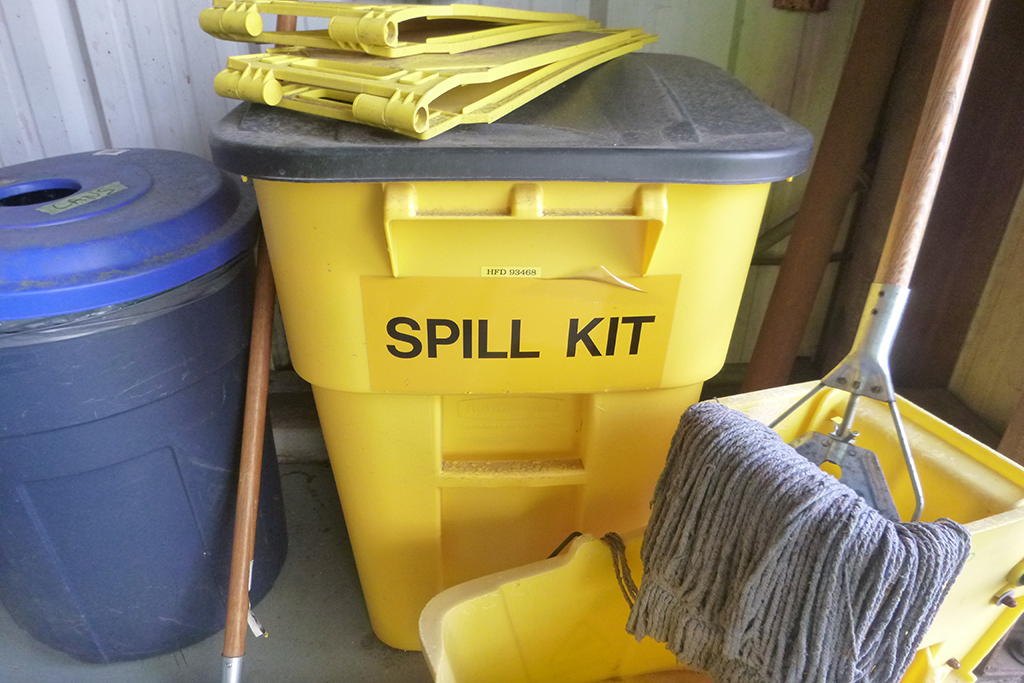
- Maintain an ample supply of cleanup materials that are readily accessible for spills.
- Train employees on proper spill prevention and cleanup.
- Review spill response requirements at all applicable work sites.
- Install perimeter control, such as a dike or berm, around areas of concern to prevent spills or leaks from exiting the contained area.
- Eliminate the source of the spill to prevent a discharge or a furtherance of an ongoing discharge.
CLEANUP REQUIREMENTS AND PROCEDURES
- Immediately clean up leaks and spills.
- Use minimal water to clean up spills on paved surfaces. For small spills, use a rag. For general cleanup, use a damp mop. For larger spills, use absorbent materials.
- Properly dispose of materials used to clean up hazardous materials.
- Do not hose down or bury dry material spills.
- Ensure all personnel who are affected by the spill or will be responsible for its cleanup have all appropriate personal protective equipment (PPE).
- If possible, prevent or minimize the amount of the spill that may discharge into the drainage system.
SMALL SPILLS
- Small spills must be taken care of immediately by the first responder.
- Use a rag or any type of absorbent material to soak up the chemical spill. Do not hose down or bury the spill.
- Use a broom or shovel to clean up dry chemical spills.
- Prompt and effective response is the best way to prevent pollutants from coming into contact with storm water.
- Notify the Engineer.
MEDIUM-SIZED SPILLS
- Semi-significant/medium-sized spills can be cleaned up by the first responder with help from construction personnel on-site, but the spill will be too large to soak up with a rag.
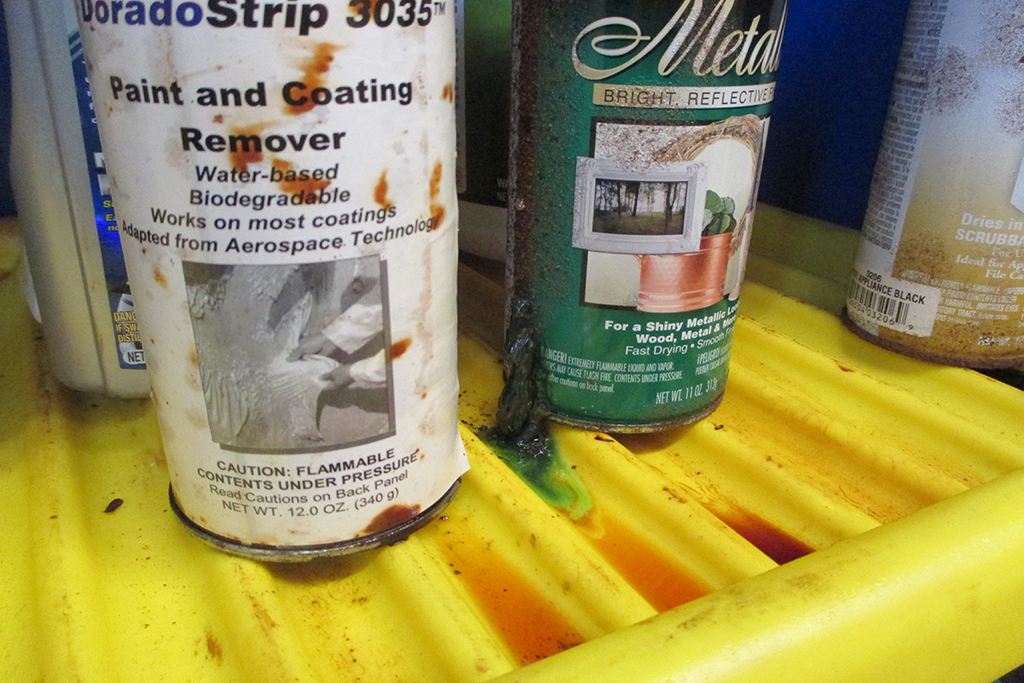
- Isolate and contain the chemical spill with the appropriate BMPs and use materials in the spill prevention kit to immediately clean up the spill. Do not let the chemical liquid spread into drainage systems or state waterways.
- Immediately notify the Resident/Construction Engineer.
SIGNIFICANT HAZARDOUS SPILL OCCURRENCE THAT CANNOT BE CLEANED UP/HANDLED BY PERSONNEL ON-SITE
- Immediately notify the Resident/Construction Engineer followed by completing a written report of the incident.
- Immediately stop work in the vicinity of the spill. Remove and keep all non-essential employees away from the spill. Never subject yourself or other personnel to unreasonable risk of illness or injury.
- Call 911 immediately for spills that pose an immediate threat or danger to the public or property.
REPORTING ON-SITE SPILL OCCURENCE
- Where a leak, spill, or other release containing a hazardous substance or oil in an amount equal to or in excess of a reportable quantity established under either 40 CFR Part 110, 40 CFR Part 117, or 40 CFR Part 302 occurs during a 24-hour period, the permittee shall notify:
- U.S. Coast Guard National Response Center (NRC) at 800-424-8802,
- The State of Hawaii Department of Health, Clean Water Branch (CWB) during regular business hours,
- The Hawaii State Hospital Operator during non-business hours at 247-2191, and
- The CWB via email at cleanwaterbranch@doh.hawaii.gov during non-business hours as soon as the permittee has knowledge of the discharge.
- To report a spill to the State of Hawaii Department of Health Hazard Evaluation and Emergency Response (HEER) office outside of normal business hours, call (808) 236-8200.
- It is expected that HEER is notified via telephone or in-person within 20 minutes of discovery of the release. A follow-up written notification form will also need to be completed and post-marked to HEER no later than 30 days after the initial discovery of a release. (The notification form can be found at https://health.hawaii.gov/heer/how-to-report-a-release-spill/).
- Immediately report spills that are 25 gallons or more of petroleum product, such as oil and gasoline, or any spill of any volume that is not contained and remediated within 72 hours to HEER.
- The contractor shall provide to the Engineer, within 7 calendar days of knowledge of the release, the circumstances leading to the release, and the date of the release. The Engineer shall provide this information the CWB.
- For any spills that discharge into the drain system or receiving state waters, immediately notify the CWB. Within 7 calendar days of discovering the occurrence of discharge into the drain system or receiving state waters, submit a discharge report of the following to the CWB:
- Any follow-up actions taken to review the design, installation, and maintenance of storm water controls, including the dates such actions occurred.
- A summary of storm water control modifications taken or to be taken, including a schedule of activities necessary to implement changes, and the date the modifications are completed or expected to be completed.
- Notice of whether Storm Water Pollution Prevention Plan (SWPPP) modifications are required as a result of the condition identified or corrective action.
VEHICLE AND EQUIPMENT MAINTENANCE ACTIVITIES
- Use off-site repair and maintenance shops as much as possible. These repair and maintenance shops are better equipped to handle vehicle fluids and spills properly.
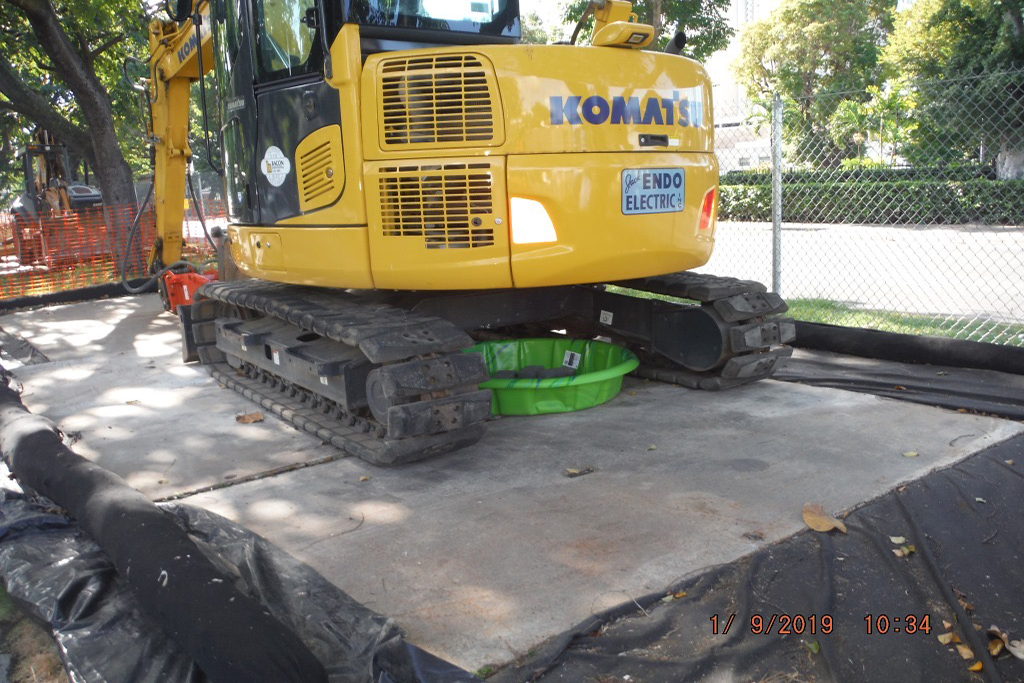
- If on-site repair is necessary, use a designated area and/or secondary containment for on-site repair or maintenance activities. These areas shall be located away from drainage courses, inlets, and open waterbodies.
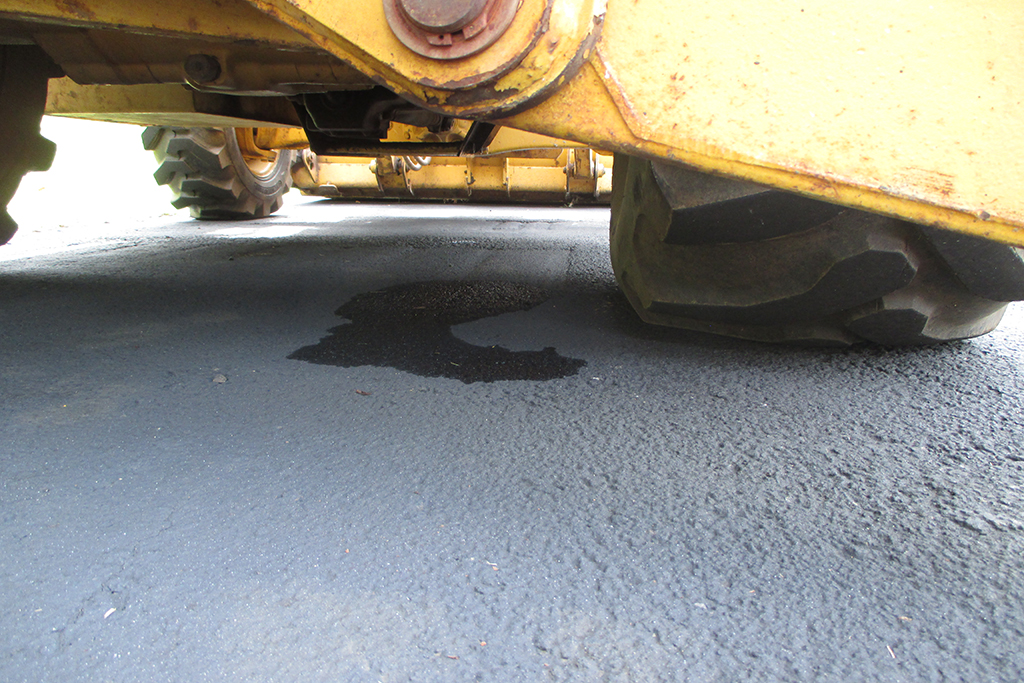
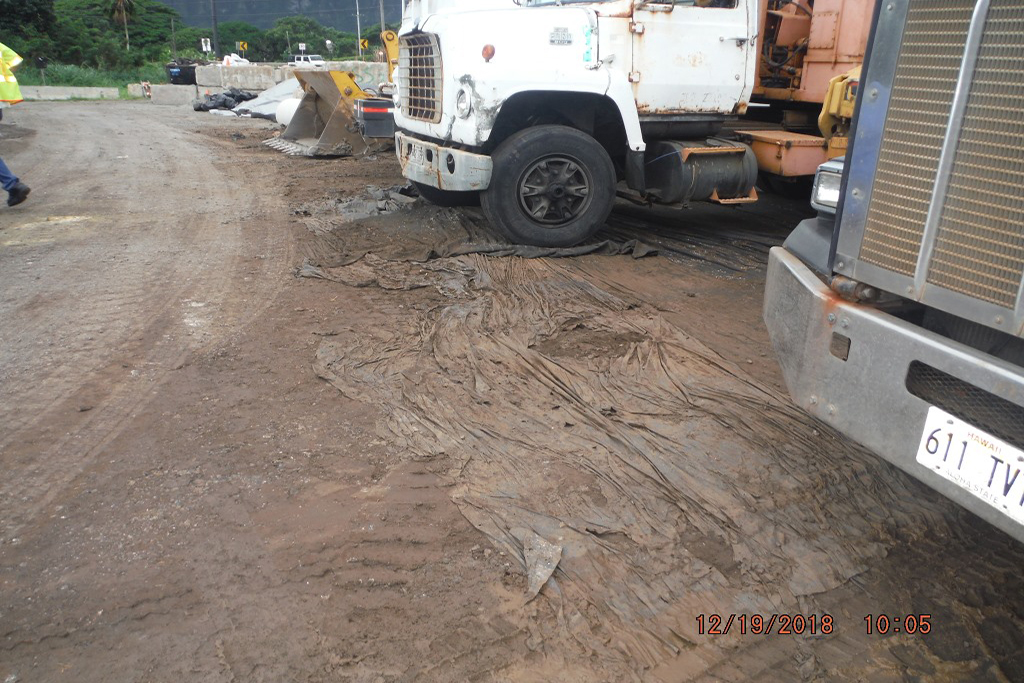
- Conduct regular inspections of on-site vehicles and equipment, including delivery trucks and employee vehicles, for leaks. Do not allow vehicles or equipment with leaks on-site.
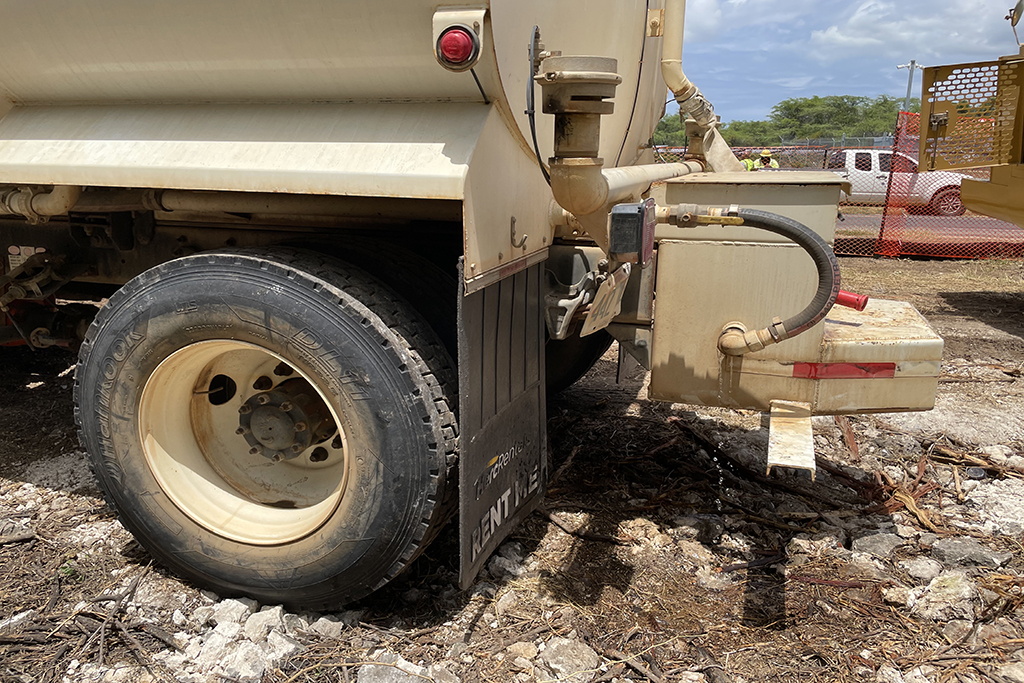
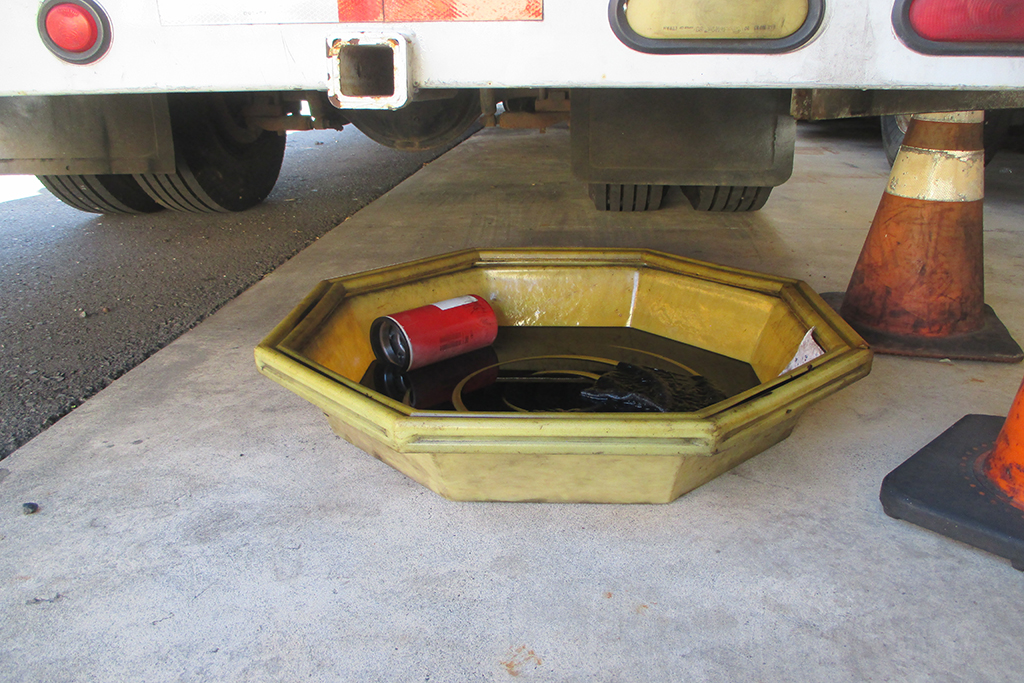
- Secondary containment devices such as drop cloths and drain pans shall be used to catch leaks or spills while staging or changing fluids from vehicles or equipment.
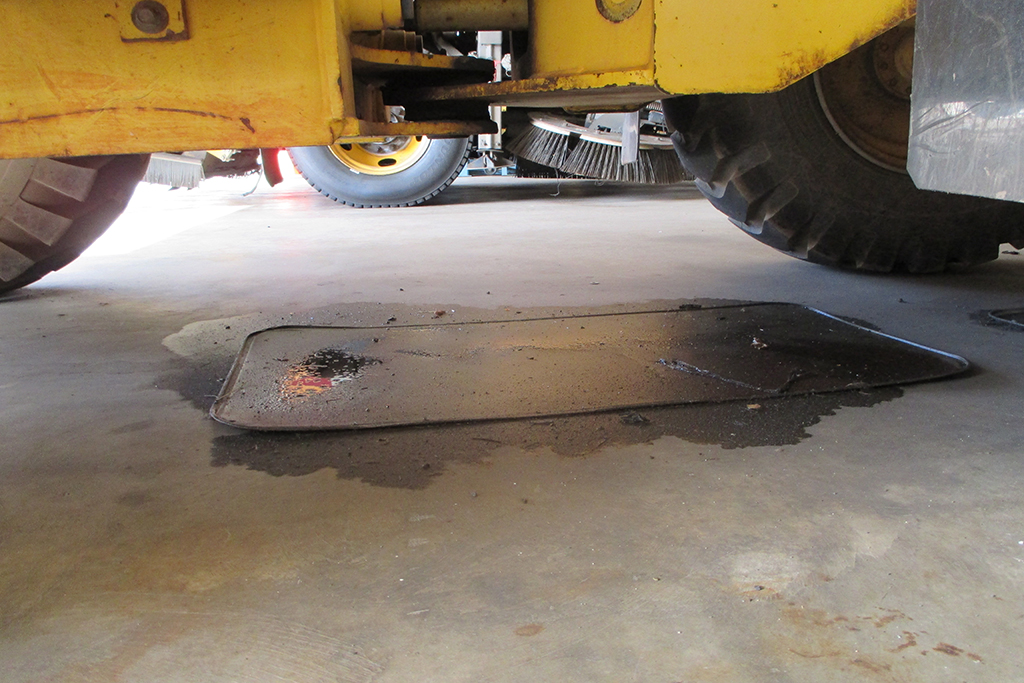
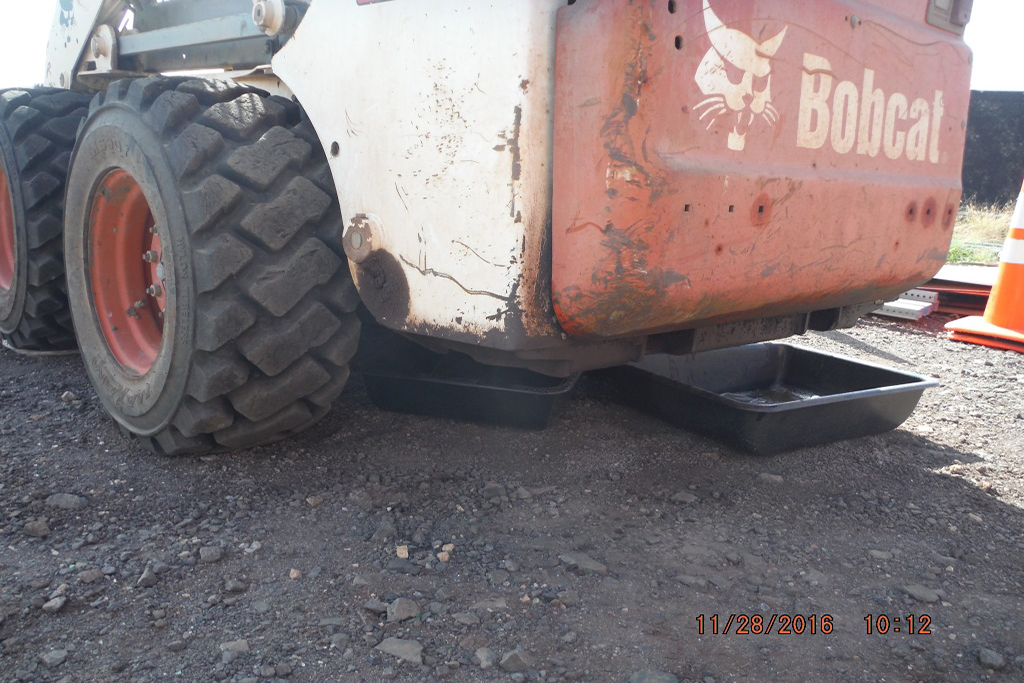
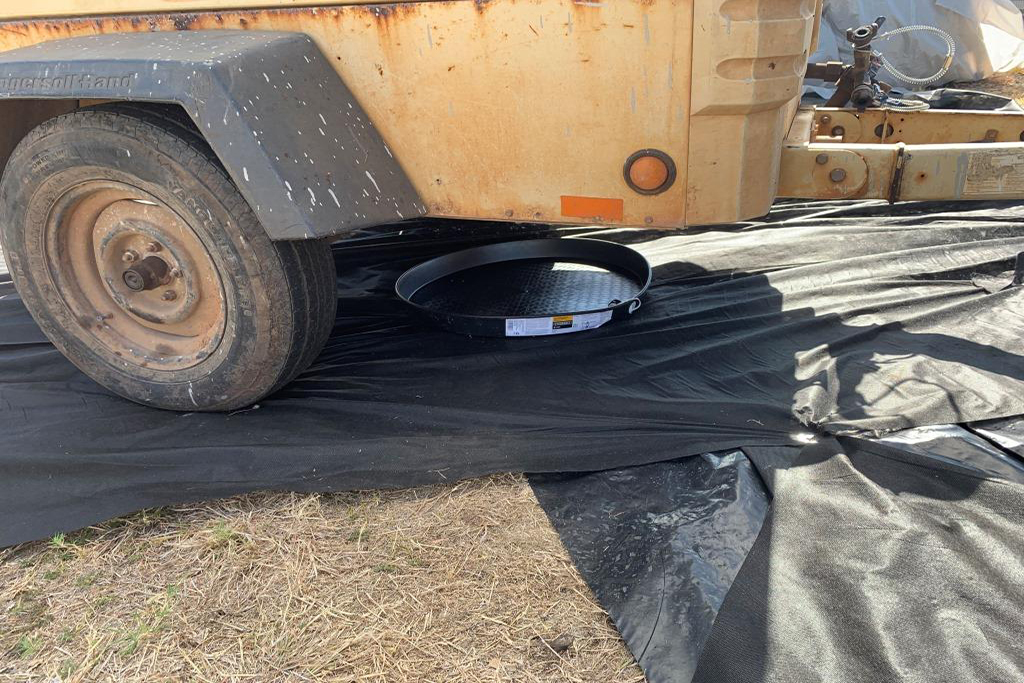
- Drip pans can be used to catch potential leaks from idle vehicles and equipment.
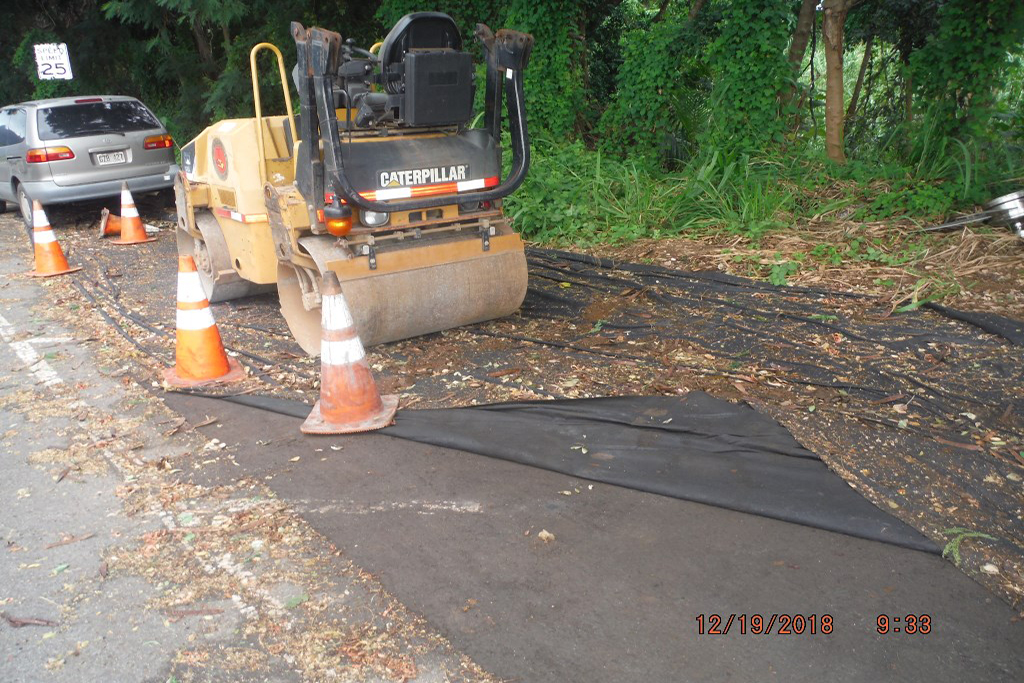
- Place drip protection/pads with absorbent and impermeable materials under all vehicles and equipment with the potential to leak/spill when not in use.
- Use absorbent materials on small spills. Do not hose down or bury spills. Remove and properly dispose of cleanup materials.
- Minimize the movement of drums and containers filled with hazardous material.
- Immediately transfer used fluids to the appropriate waste or recycling containers. Avoid leaving drip pans and open containers with hazardous material on-site. Large-diameter funnels must be used to transfer liquids into drums.
- Drain excess oil from oil filters prior to disposal by placing filter in a funnel over a waste oil recycling drum. Recycle oil filters if this service is available.
- Store all cracked batteries in a non-leaking secondary container even if the acid appears to have drained out. Handle dropped batteries as cracked batteries until assured it is not leaking.
VEHICLE AND EQUIPMENT FUELING ACTIVITIES
- Use off-site fueling stations as much as possible.
- If on-site fueling is necessary, use designated areas for required on-site fueling. Fueling areas shall be located away from drainage courses, inlets, and waterbodies.
- Avoid “topping off” of fuel tanks.
- Use secondary containment devices such as drain pans to catch spills or leaks while fueling.
Considerations
- Use of a private spill cleanup company may be necessary.
- This BMP only applies to spills caused on-site by the contractor, sub-contractors, and their vendors.
- Only respond to spills if you can do so safely.
What to Inspect
- Are drip pans and/or absorbent material placed under construction vehicles and equipment?
- Is there an ample amount of spill cleanup material on-site and easily accessible?
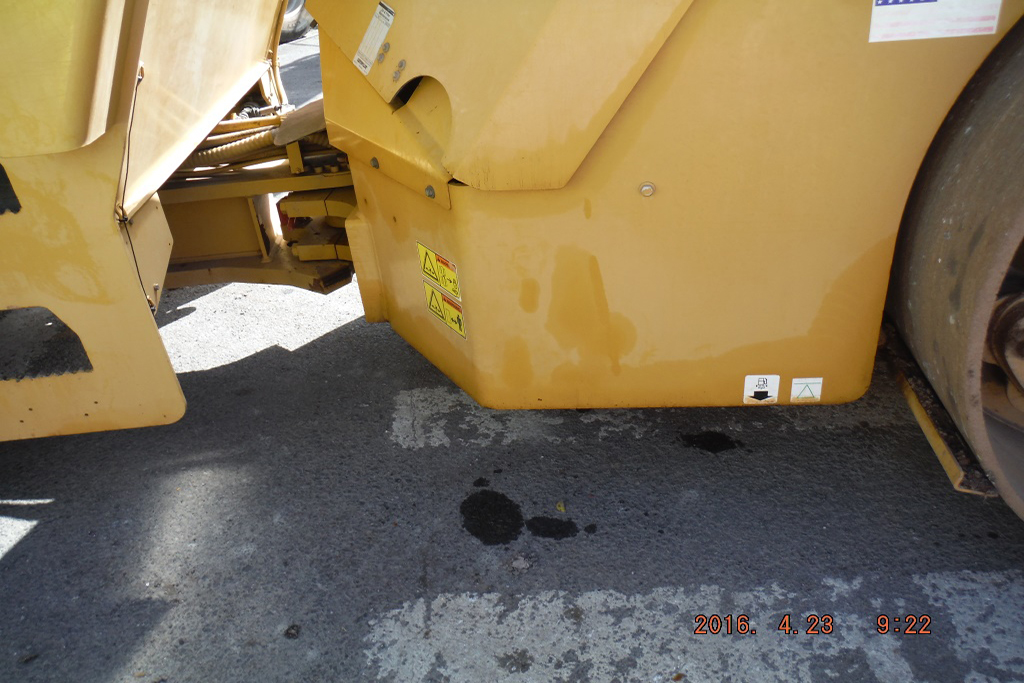
- Are spills/leaks evident around construction vehicles, equipment, stored materials, drain inlets or open bodies of water?
- Are there tears/rips in plastic sheeting or geotextile covers?
- Is plastic cover or other impermeable material overlapped and secured (duct tape is applicable)?
- Are perimeter controls in good condition and able to operate properly, in case of a spill?
- Are facilities away from waterbodies and drainage systems?
- Do facilities have sufficient spill containment areas?
- Are facilities located on impervious surfaces?
- Does sufficient containment volume exist?
- Do locations for storing hazardous materials and chemicals exist?
- Are hazardous material drums/containers properly labeled?
- Are hazardous and chemical materials/waste stored in secondary containment?
- Are hazardous and chemical materials/waste covered by an impermeable material?
Maintenance
- Update spill prevention and control plans and stock necessary cleanup materials as the chemicals used or stored on-site change.
- Locate an ample supply of materials for spill control and cleanup on-site near maintenance and material storage or unloading areas.
- Replace/repair impermeable material/plastic covers that have rips or tears.
- Realign perimeter control devices, when necessary, to ensure proper function.
- Immediately clean up spills.
Emergency Spill Contacts | Phone Number |
Honolulu Fire Department; Honolulu Police Department | 911 |
State of Hawaii Department of Health, Hazard Evaluation and Emergency Response Office | (808 586-42349 or |
State of Hawaii Department of Health, Clean Water Branch - Oahu | (808) 586-4309 or |
State of Hawaii Department of Health, Clean Water Branch - Maui | (808) 873-3556 |
State of Hawaii Department of Health, Clean Water Branch - Hilo | (808) 933-0401 |
State of Hawaii Department of Health, Clean Water Branch - Kona | (808) 322-1967 |
State of Hawaii Department of Health, Clean Water Branch - Kauai | (808) 241-3322 |
Honolulu Local Emergency Planning Committee | (808) 723-8960 |
Maui Local Emergency Planning Committee | (808) 870-7404 |
Hawaii Local Emergency Planning Committee | (808) 936-8181 |
Kauai Local Emergency Planning Committee | (808) 241-1800 |
U.S. Coast Guard | (808) 842-2970 |
Hawaii National Guard | (808) 733-4228 |
State of Hawaii Department of Transportation, Highways, Oahu District | (808) 831-6700 |
State of Hawaii Department of Transportation, Highways, Maui District | (808) 873-3538 |
State of Hawaii Department of Transportation, Highways, Hawaii District | (808) 933-8866 |
State of Hawaii Department of Transportation, Highways, Kauai District | (808) 241-3000 |
State of Hawaii Department of Health, Solid Waste & Hazardous Waste Branch | (808) 586-4226 |
U.S. Coast Guard National Response Center | (800) 424-8802 (24 hour) |
State of Hawaii Department of Labor & Industrial Relations, Hawaii Occupational Safety and Health Administration | (808) 586-9116 |
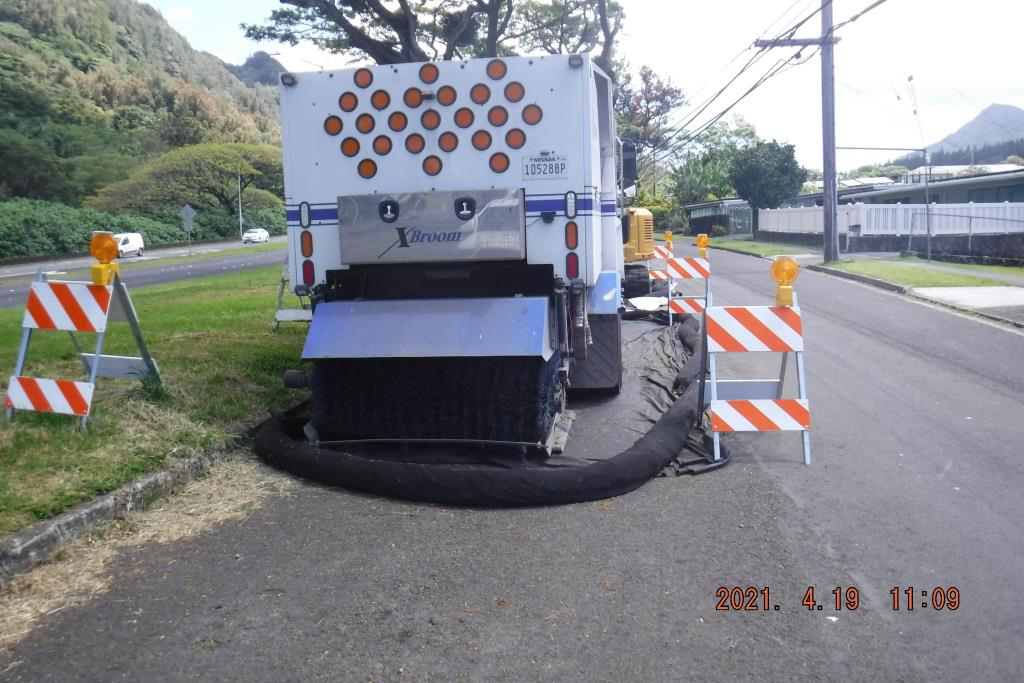
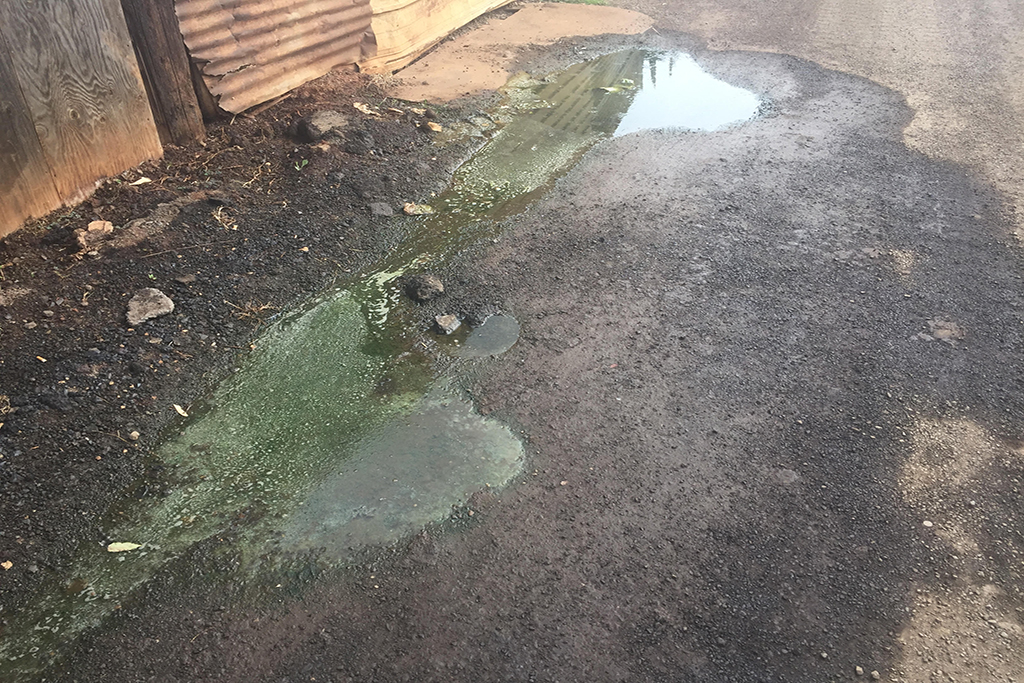
BMP Examples
Are adequate BMPs installed to prevent the discharge of pollutants from the project site? Hover over each photo for an explanation of the situation presented and if BMPs have been installed properly.