
Description
Practices and procedures to reduce or prevent the discharge of pollutants from structure construction and painting activities into the storm drain system or adjacent waterbodies. Pollutants include solvents, paints, paint and varnish removers, finishing residues, spent thinners, soap cleaners, kerosene, asphalt and concrete materials, epoxy compounds, adhesive residues, and old asbestos insulation.
Applications
- Construction or maintenance activities involving painting or structure repair and construction.
Installation and Implementation Requirements
- Maintain a clean and orderly work site.
- Use recycled or less hazardous products if practical.
- Comply with local air quality and Occupational Safety and Health Administration (OSHA) regulations during painting activities.
- Properly store paints, solvents, and epoxy compounds in appropriate secondary containment and under impermeable cover.
- Properly store and dispose waste materials generated from painting and structure repair and construction activities.
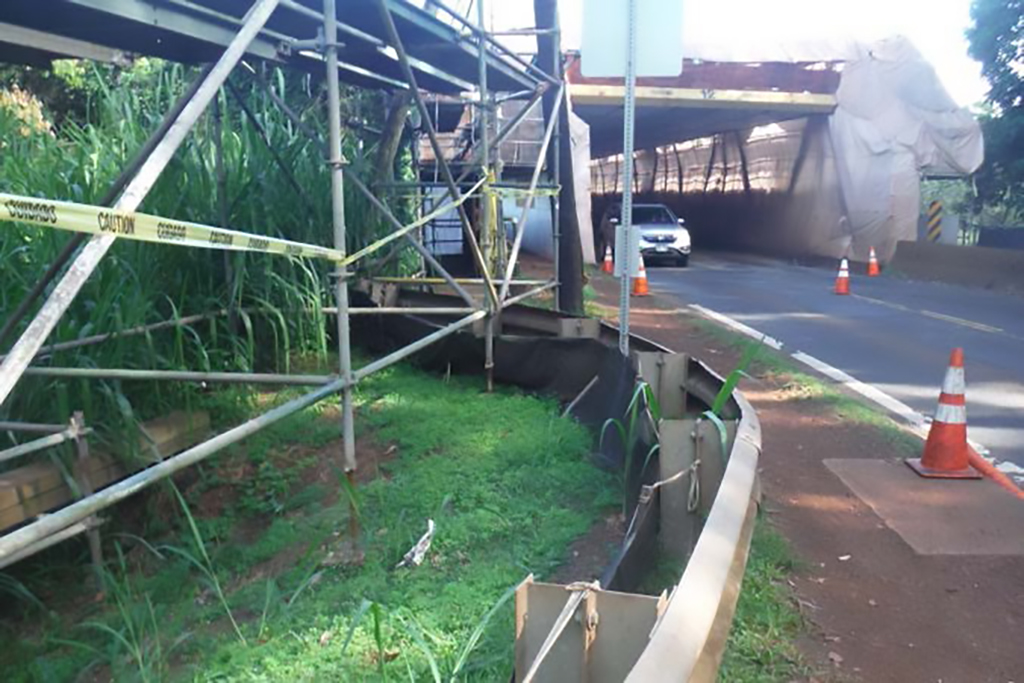
- Avoid drift by enclosing or covering painting operations.
- Collect residue from sand blasting or scraping operations on a drop cloth. Dispose of this residue properly.
- Use appropriate application equipment to minimize overspray.
- Minimize inadvertent disposal of residual paints and other liquids by ensuring nearby storm drains are clearly marked.
- Inspect the storm drain system in the immediate work area and remove dirt or debris upon completion of the activity.
- Clean painting equipment used with water-based paints in a sink connected to the sanitary sewer system.
- Mix paints in a covered and contained area, when possible, to minimize adverse impacts from spills.
- Immediately clean up spills.
- Testing of waste generated from painting may be required to determine if any hazardous waste are present per the contract documents. See section SM-6 Solid Waste Management and SM-9 Hazardous Materials and Waste Management for more information on proper disposal of solid and hazardous waste.
- Comply with applicable laws and regulations for recycling/disposal of residual paints, solvents, lumber, and other materials.
- Treat paint chips containing lead or tributyl tin as hazardous waste. See section SM-9 Hazardous Materials and Waste Management for more information.
- Properly dispose of material from sand blasting activities. Consider chips and dust from marine paints or paints containing lead as hazardous waste. Sweep paint chips and dust from non-hazardous dry stripping and sand blasting and dispose of as solid waste. See sections SM-6 Solid Waste Management and SM-9 Hazardous Materials and Waste Management for more information on proper disposal of solid and hazardous waste.
Considerations
- Availability of recycled or less hazardous products may be limited.
- Hazardous waste which may not be recycled or reused shall be disposed of by a licensed hazardous waste transporter.
- Storm water quality protection measures shall comply with OSHA and air quality regulations.
What to Inspect
- Is there evidence of paint entering the storm drain system or adjacent waterbodies?
- Are paints and solvents properly stored?
- Is paint and construction repair waste disposed of properly?
- Are inlet protection devices installed at inlets in the direct vicinity of structure construction and painting?
- Are inlet protection devices properly installed and maintained?
- Are any leaks or spills evident where painting materials are being stored?
Maintenance
- Keep materials and equipment for proper housekeeping and disposal practices readily available.
BMP Examples
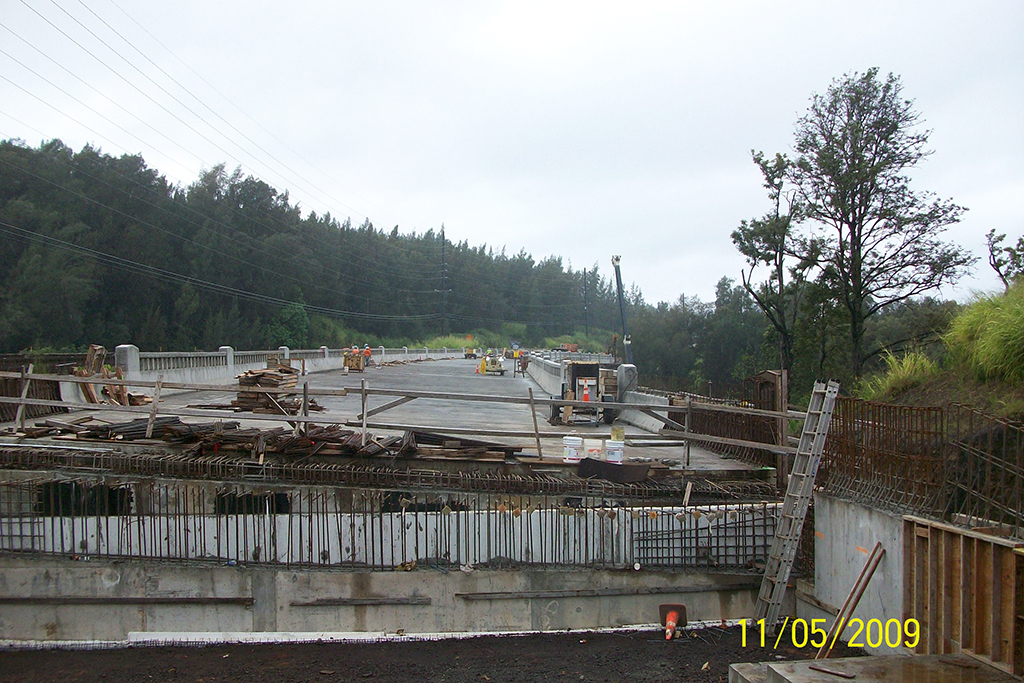
Are adequate BMPs installed to prevent the discharge of pollutants from the project site? Hover over each photo for an explanation of the situation presented and if BMPs have been installed properly.