
Description
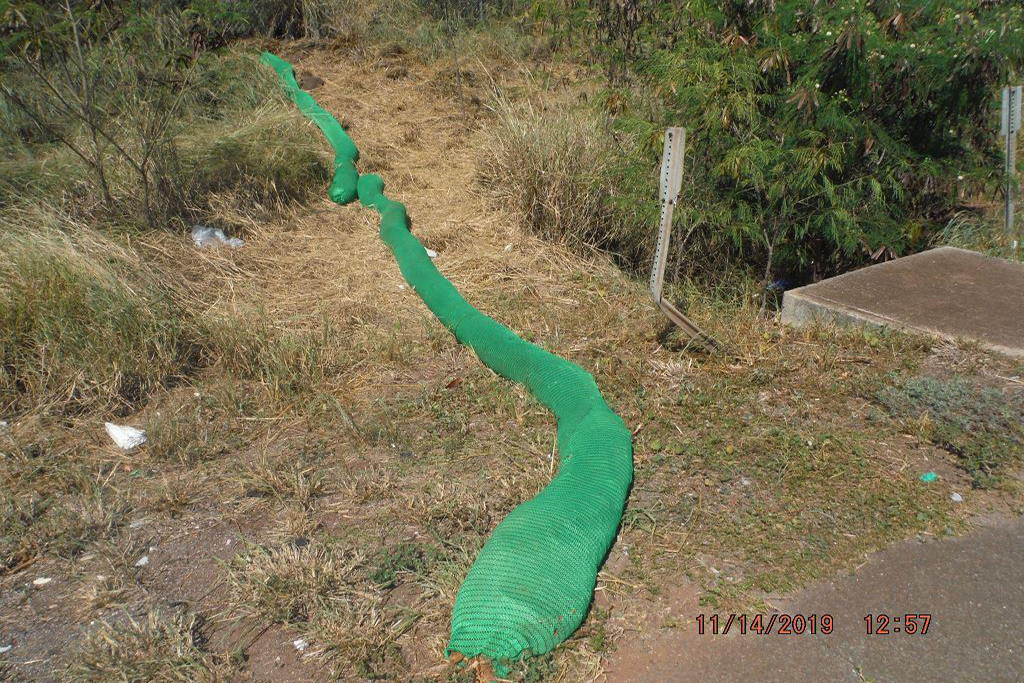
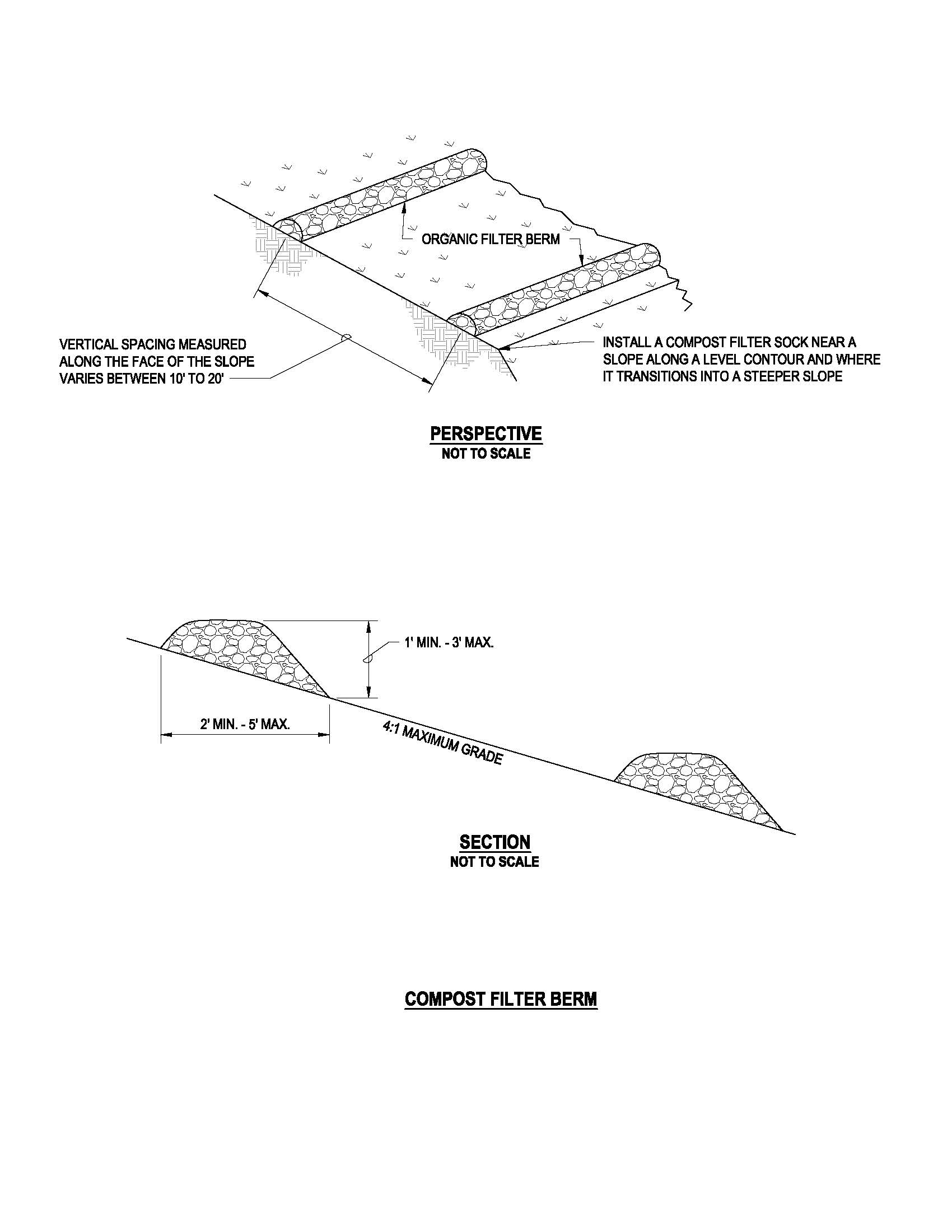
Berms consisting of compost material placed perpendicular to runoff to reduce flow velocity and retain sediment and other pollutants. A fiber roll may consist of straw, flax, mulch, or other similar materials bound into a tight tubular roll.
Applications
- Along the site perimeter.
- Along the slope face and toe of slope (See section EC-5 Earth Dikes, Swales, and Ditches).
- Check dam in small drainage ditches (See section SC-3 Check Dams).
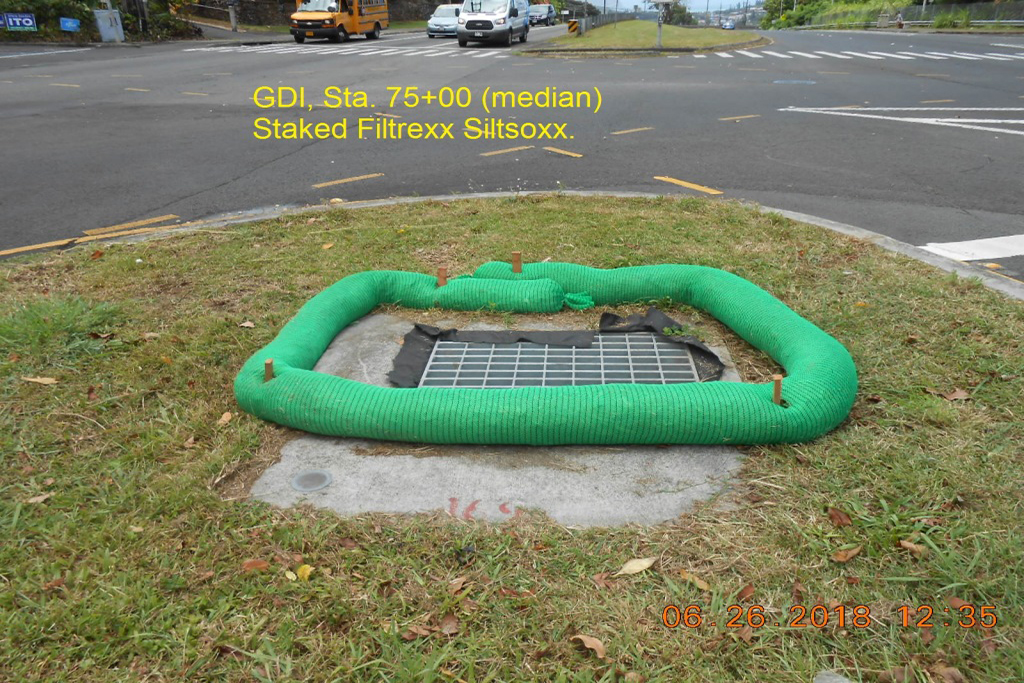
- Inlet protection for storm drains (See section SC-1 Storm Drain Inlet Protection).
- Surrounding base of temporary stockpiles (See section SM-3 Stockpile Management).
- Appropriate for small drainage areas and low surface velocity flows (less than 1 cubic feet per second (cfs)).
- Vegetative filtering system.
- Applied as a comprehensive system to storm water management.
- Used as perimeter control for disturbed/bare areas.
Installation and Implementation Requirements
- Usually located at the base of slopes, however, additional berms may be used for velocity dissipation devices mid-slope to increase erosion protection. See section EC-9 Slope Interceptor or Diversion Ditches/Berms for more information.
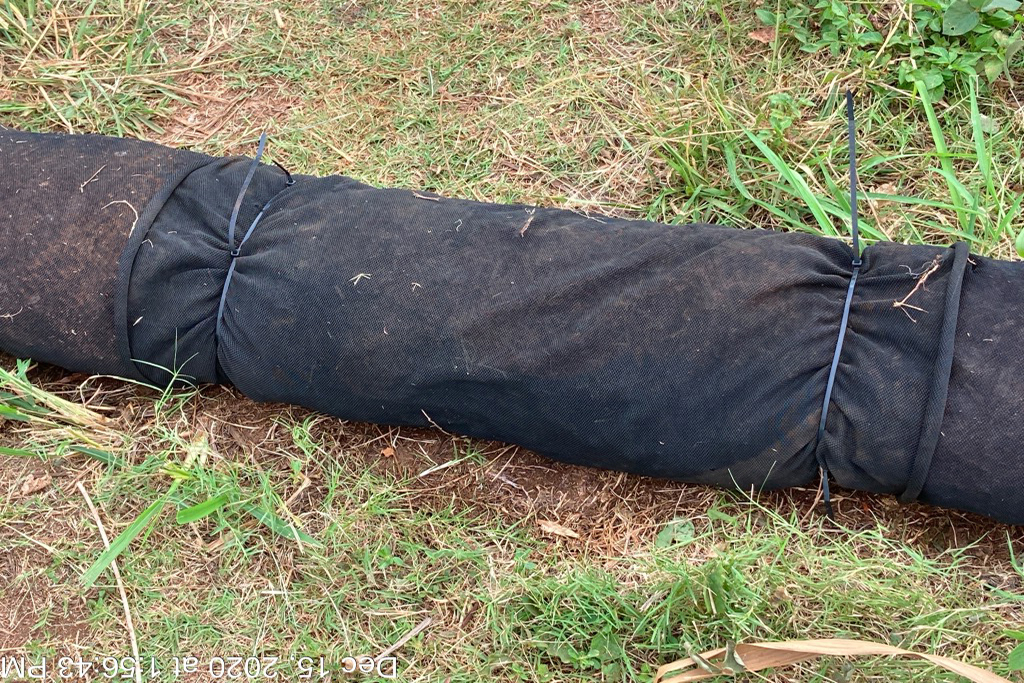
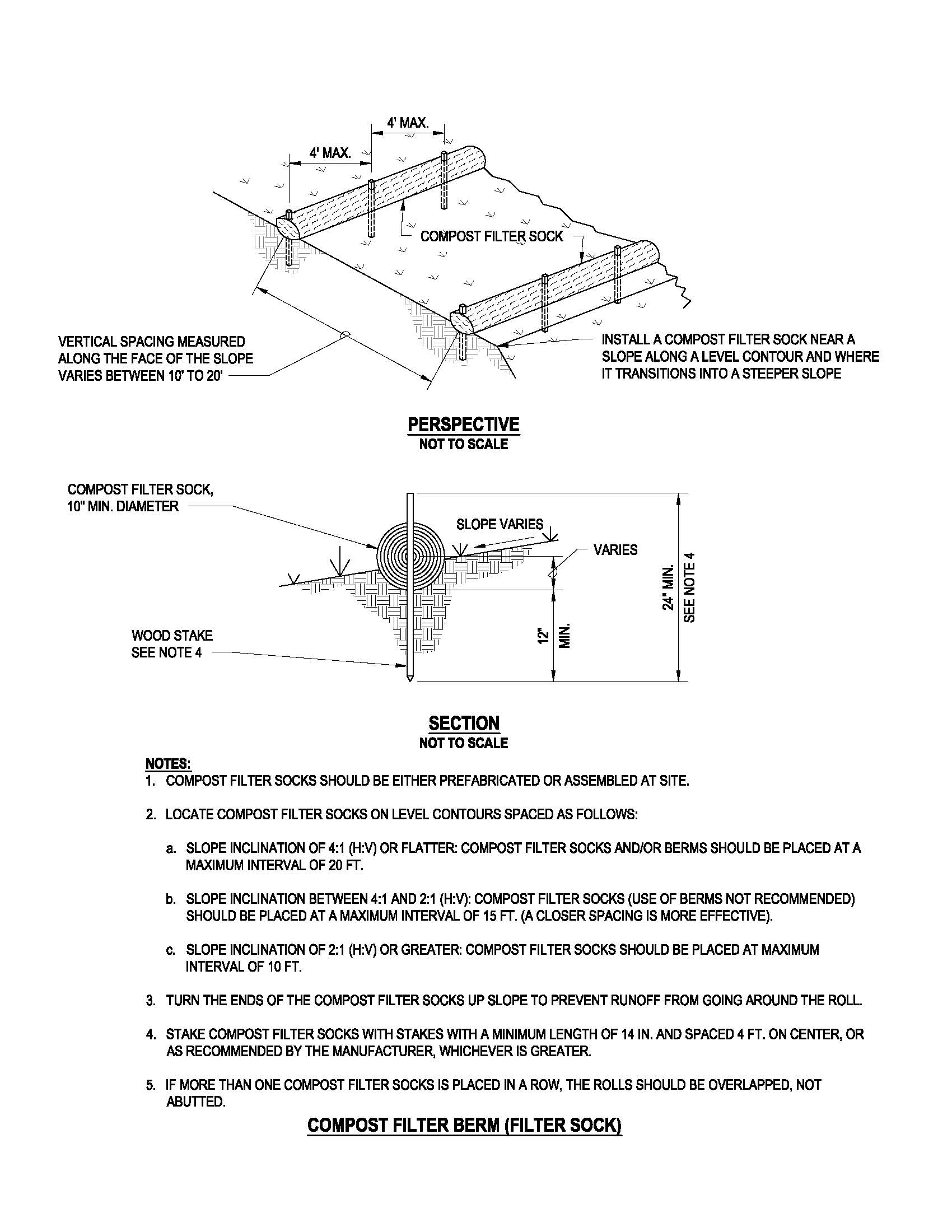
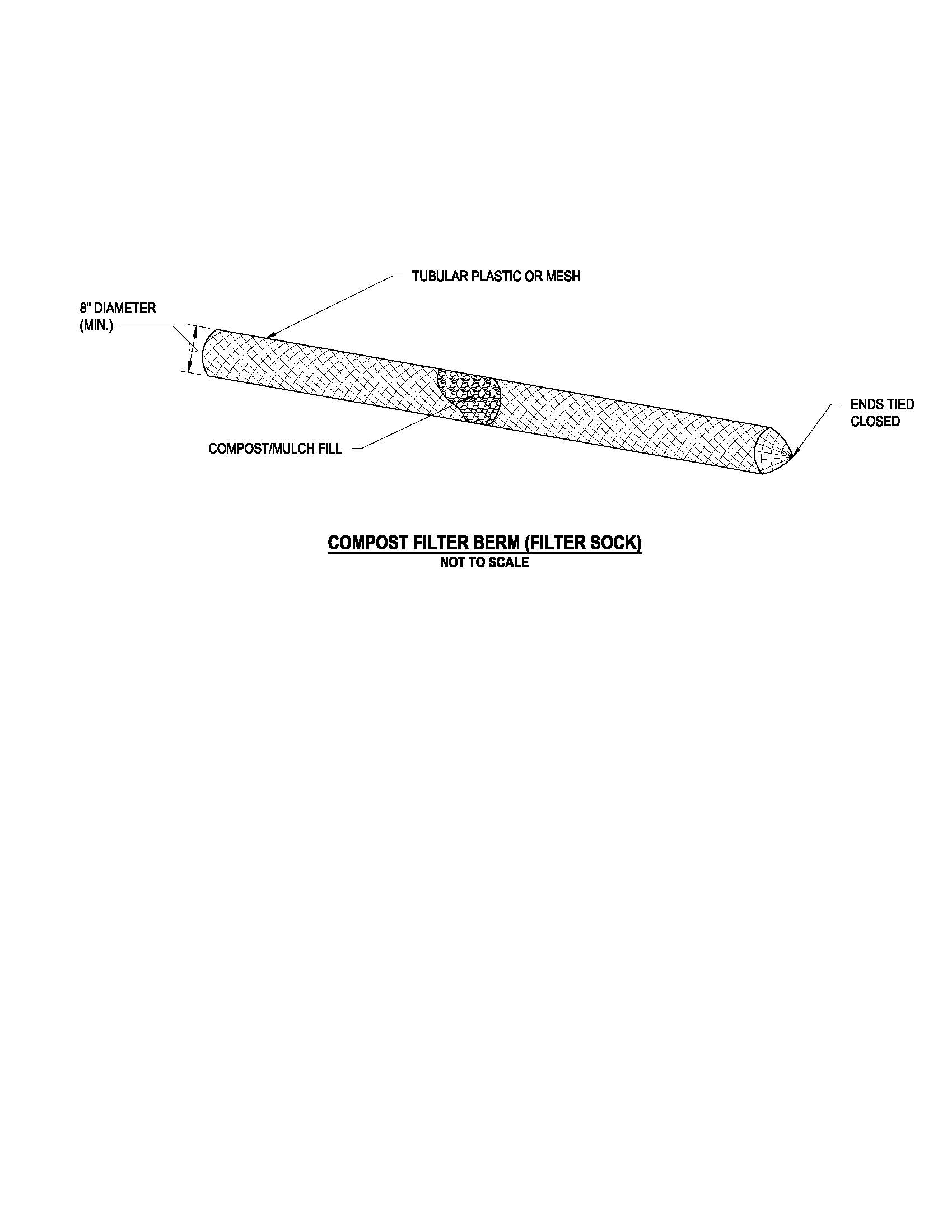
- Compost quality shall comply with all local, state, and federal requirements. Installation of a compost filter sock, which consists of a mesh tube filled with composted material, as a type of compost filter berm shall comply with the following:
- Assemble by tying a knot at the end of the mesh sock, filling the sock with compost, and knotting the other end of the sock. A pneumatic blower may be used to fill the sock with compost.
- Socks shall be 8 inches in diameter, minimum.
- If more than 1 compost filter sock is placed in a row, the compost filter socks must be overlapped, not abutted. The overlap shall be 6 inches, minimum (or in accordance with the manufacturer’s recommendations), and shall be horizontal, side-by-side. The overlap shall not be vertical, top-to-bottom.
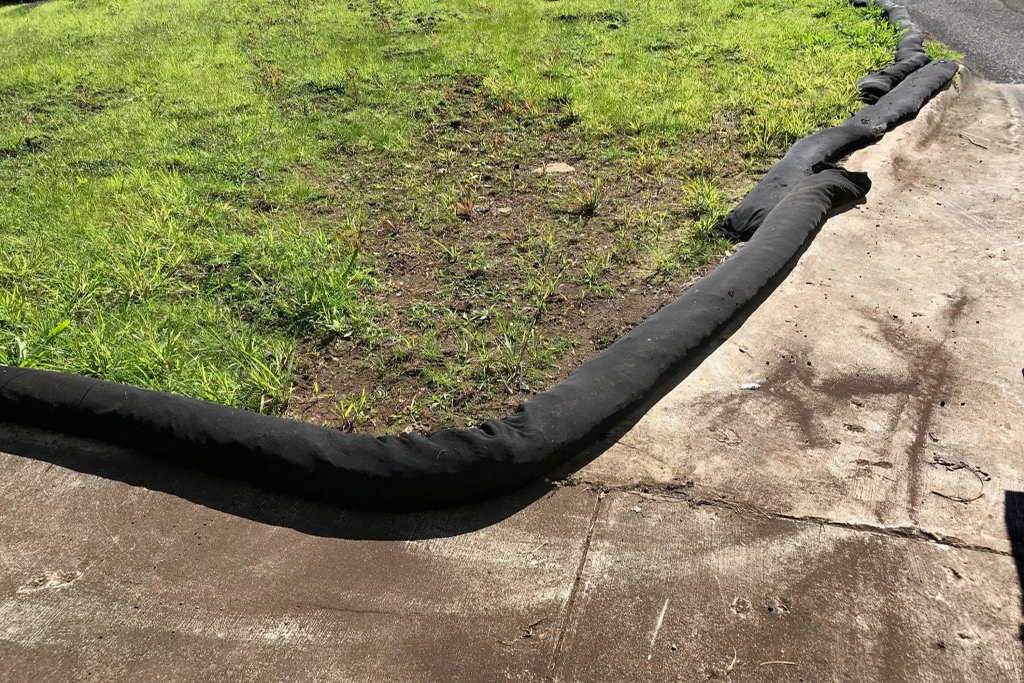
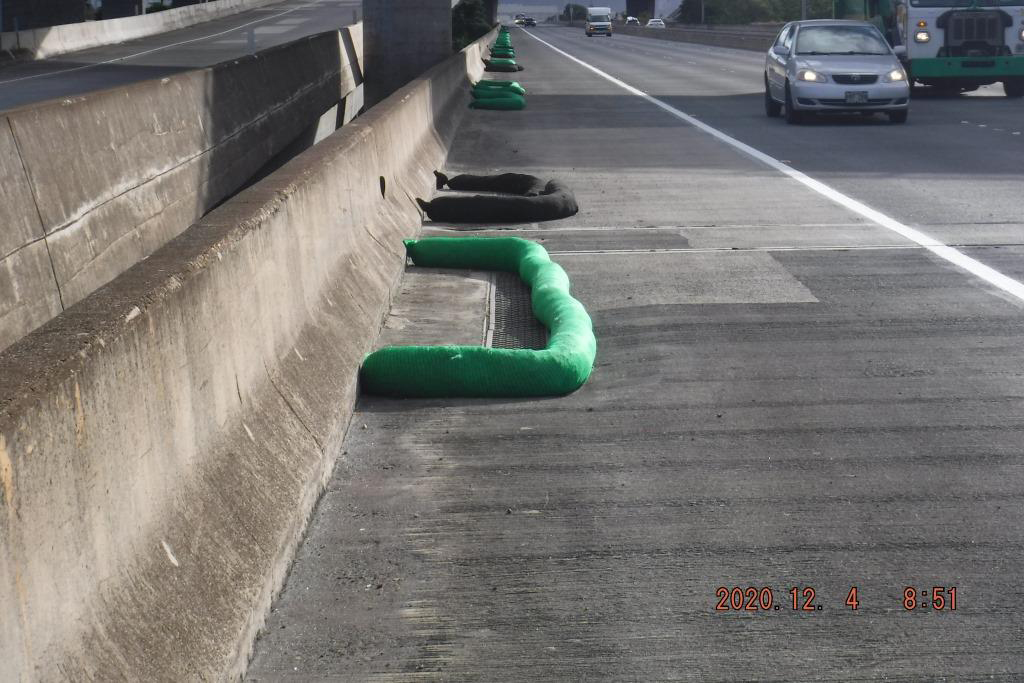
- Compost filter socks used on concrete or other hard surfaces that make staking non-applicable should be weighed down so it does not become displaced during heavy rain/runoff.
- Turn ends of filter sock up slope, a minimum of 3 feet, to prevent flow around ends.
- Compost filter socks must be in continuous contact with the ground. There should be no gaps between the sock and the ground beneath it.
- Compost filter socks may also be used for areas of concentrated flow such as near, but not at or in, streams or shorelines. Compost filter socks cannot be used in-water and must be installed above the high water mark for streams/shorelines.
- Material and equipment must not be stored on top of the compost filter socks while in place. The compost filter sock must always be accessible for inspection and maintenance.
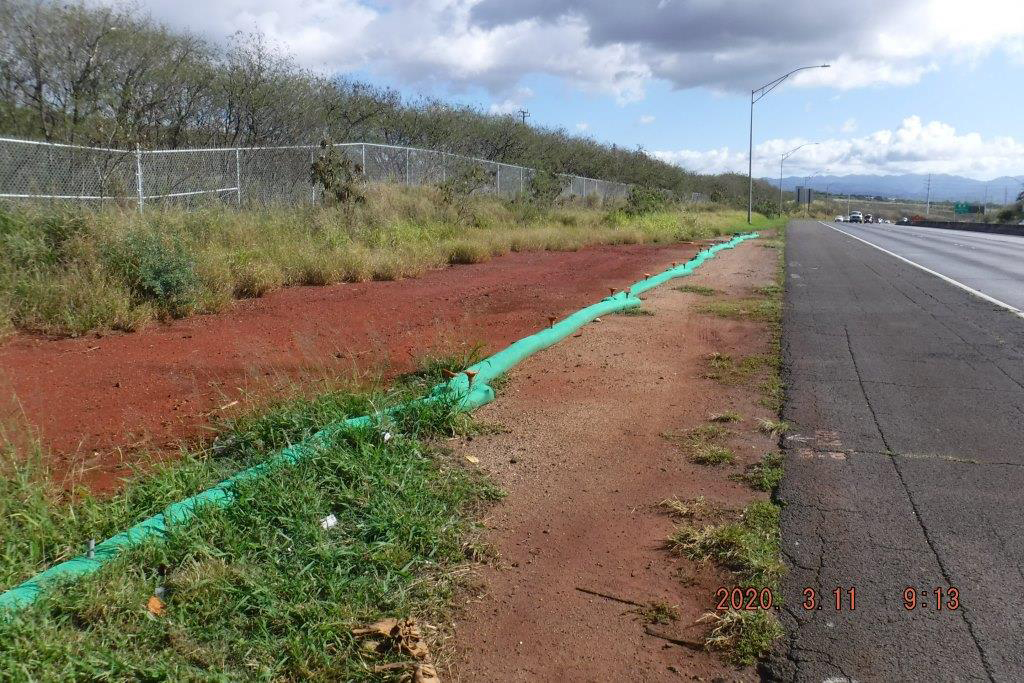
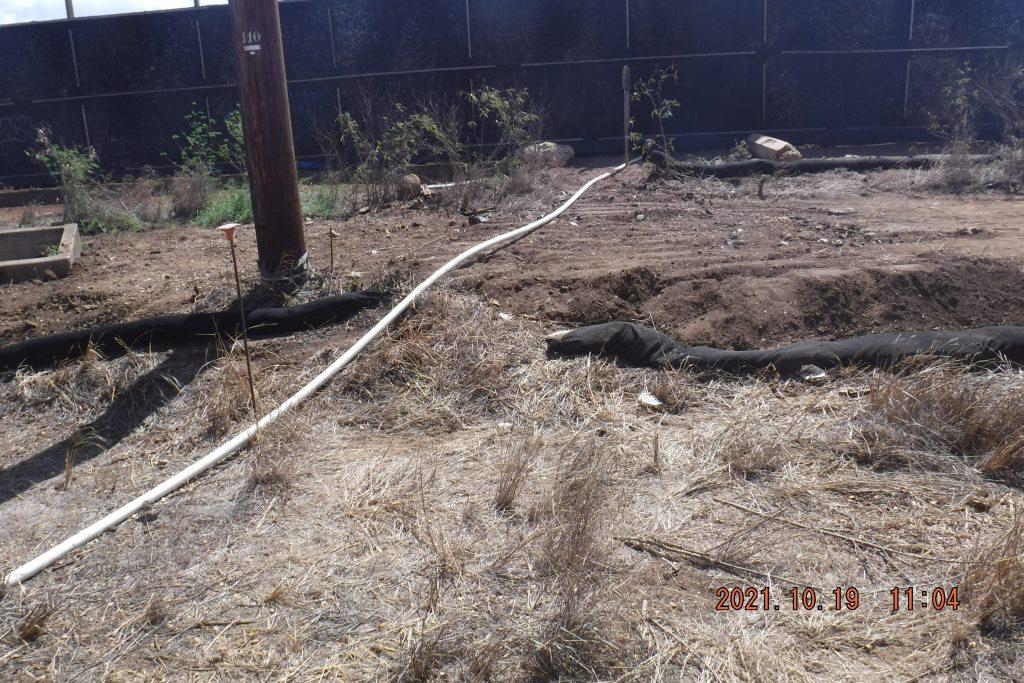
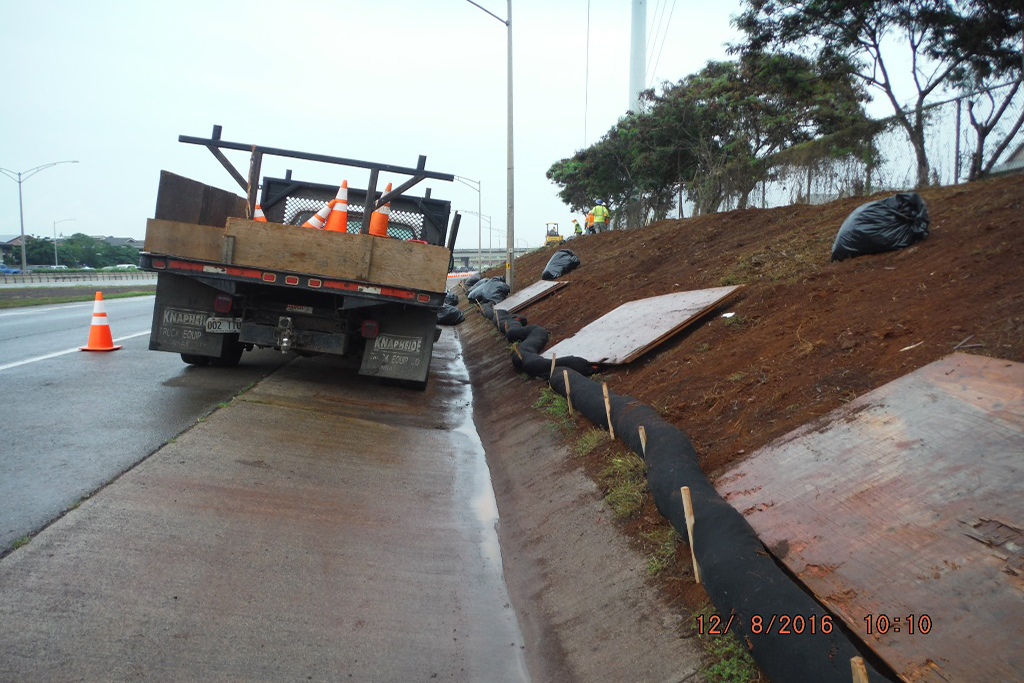
- When used as velocity dissipation devices on steep slopes, stake compost filter socks into a 2- to 4-inch-deep trench with a width equal to the diameter of the compost filter sock. Stakes must be driven at least 12 inches into the ground, while leaving a minimum stake height of 2 inches above the compost filter sock. Drive stakes through the center at the end of each compost filter sock and space apart 4 feet maximum on center.
- Follow manufacturer’s specifications on proper use.
- At the completion of project, filter sock material, including the compost, shall be removed from the site and disposed of/reused properly. Fill and compact trenches once compost filter socks are removed.
- Material for compost berm/filter sock may be left at the site and used as a soil amendment, if approved by the Engineer. Material should be spread, not left in a clump or pile. The geotextile netting must be disposed of properly.
Considerations
- Do not install below the high water mark of streams/shorelines or in-water.
- Unsuitable for areas with concentrated runoff unless a low flow rate and small drainage area warrants use of a filter berm/sock. Compost filter socks should be installed per manufacturer’s recommendations.
- Heavy vegetation must be removed to ensure close contact of compost with the ground surface.
- Difficult to move once saturated.
- Uneven terrain may restrict use of BMP.
- Heavy construction equipment and/or vehicles that run over compost filter socks can easily damage or impair the performance of the device.
- Soil may harden on the geotextile filter fabric, which will inhibit infiltration and proper effectiveness.
- Efficiency quickly decreases as sediment accumulates. Frequent maintenance is needed.
- Berms/socks cannot be staked or trenched when used on concrete and rocky surfaces.
What to Inspect
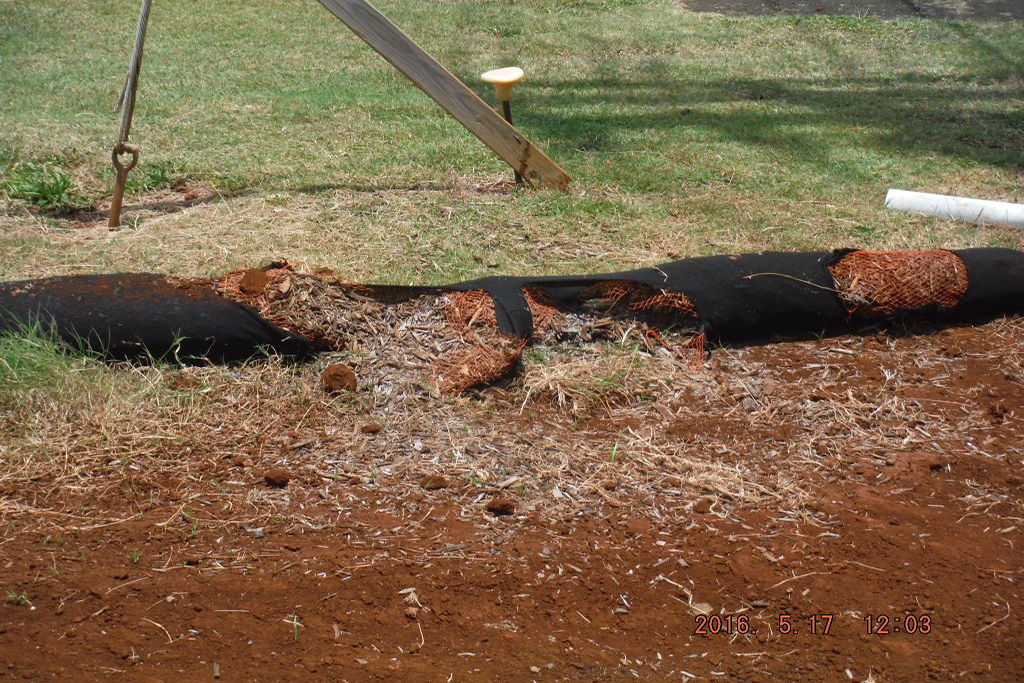
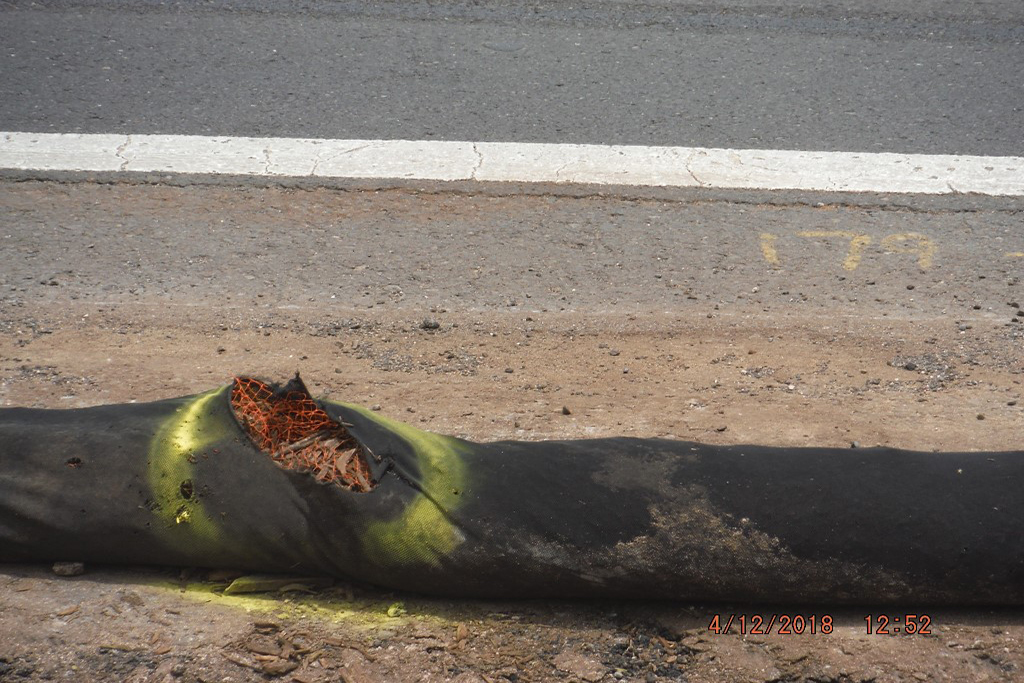
- Does the filter sock have rips or tears exposing the filter media?
- Does the filter sock need to be trenched and staked?
- Has sediment accumulated to one-half the height of the berm?
- Are compost filter socks positioned in the correct orientation to effectively manage storm water?
- Is there evidence of rills or gullies forming under the compost berm?
- Is there vehicles or equipment stored on top of the berm?
- Are compost filter socks properly installed according to manufacturer’s specifications?
Maintenance
- Remove sediment which has accumulated to within one-half of the berm height.
- Replace disturbed or damaged areas of the berm.
- Repair/replace split, torn or slumping compost filter socks.
- Repairs to damaged compost filter socks must preserve filtration capabilities. Do not use duct tape, glue, or any material that will diminish the effectiveness of the compost filter sock.
- Maintain BMP until the disturbed area above the device is permanently stabilized.
- Reorient compost filter socks that have been disturbed.
- Clean hardened soil on geotextile filter fabric to ensure proper filtration can occur.
- Fix berms/socks that have been driven over and flattened.
BMP Examples
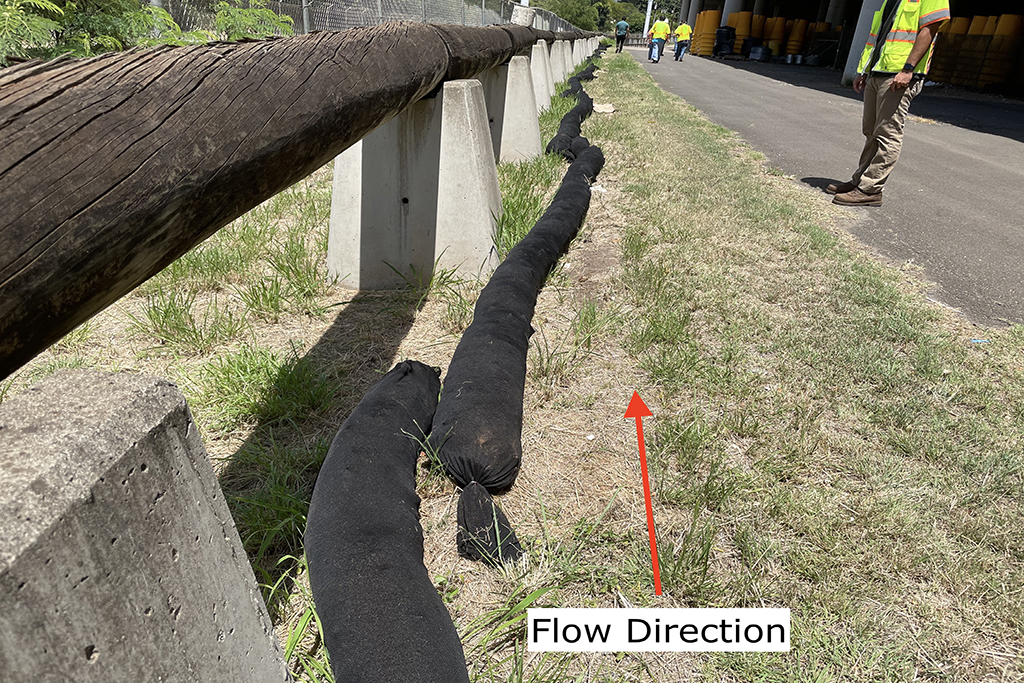
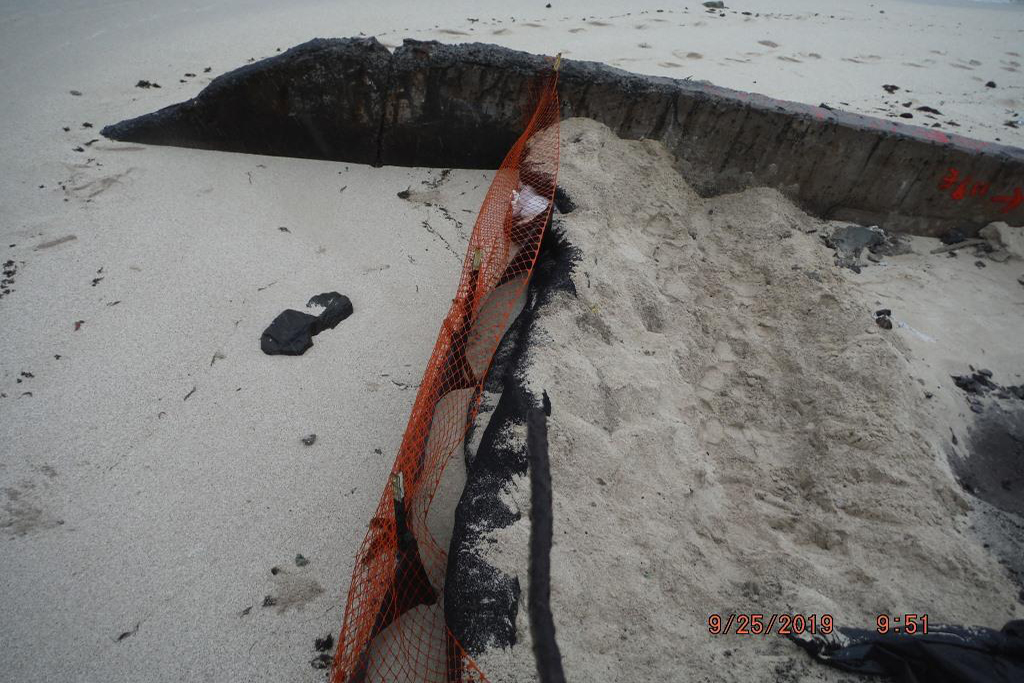
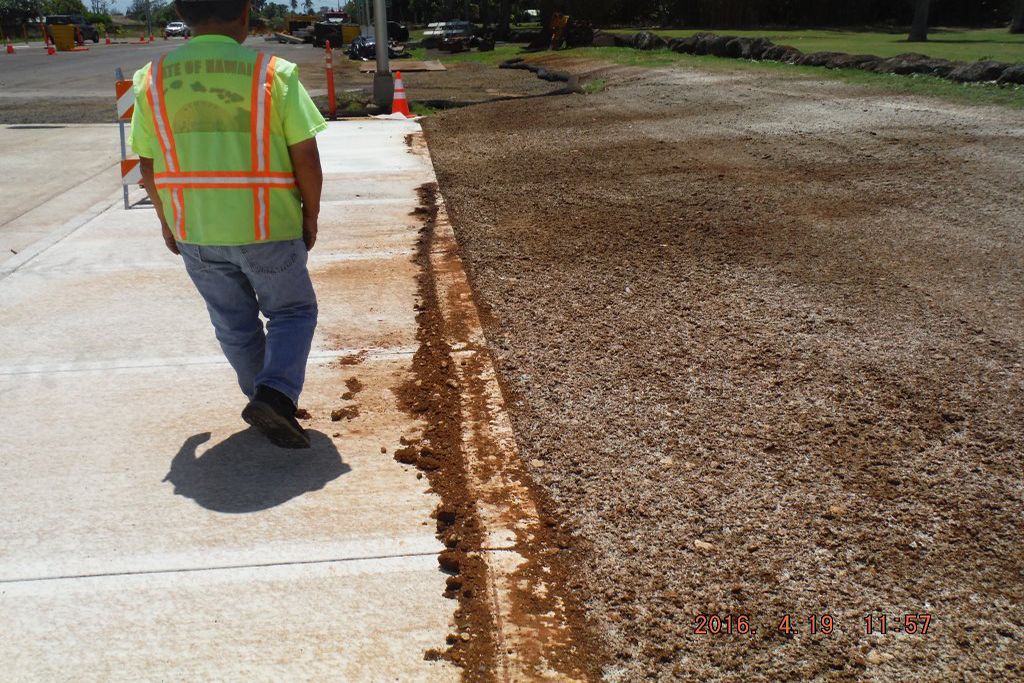
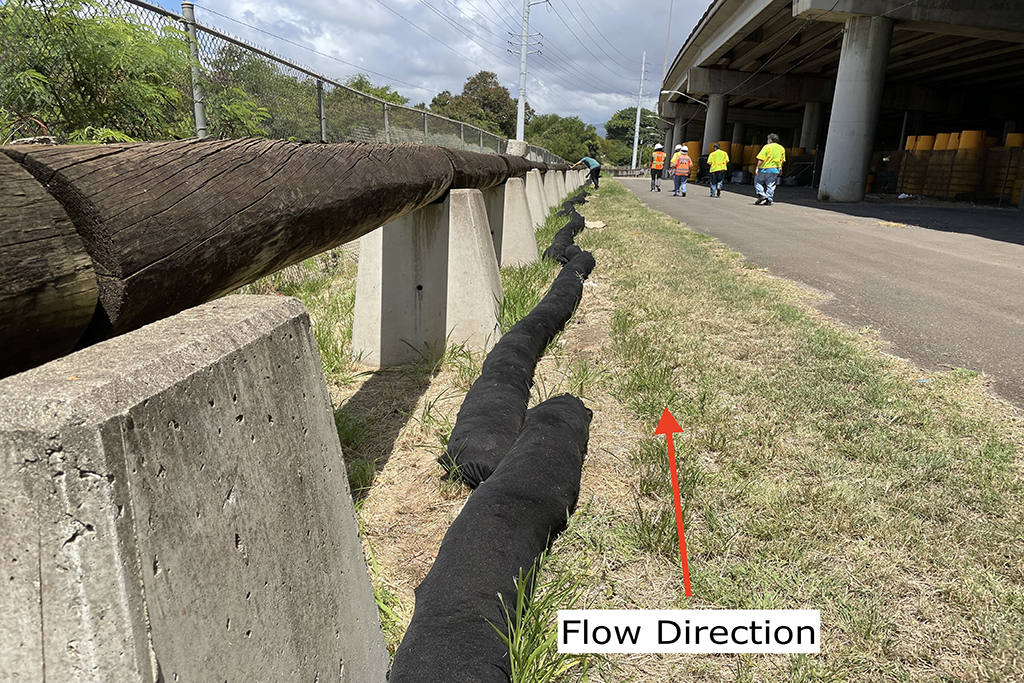
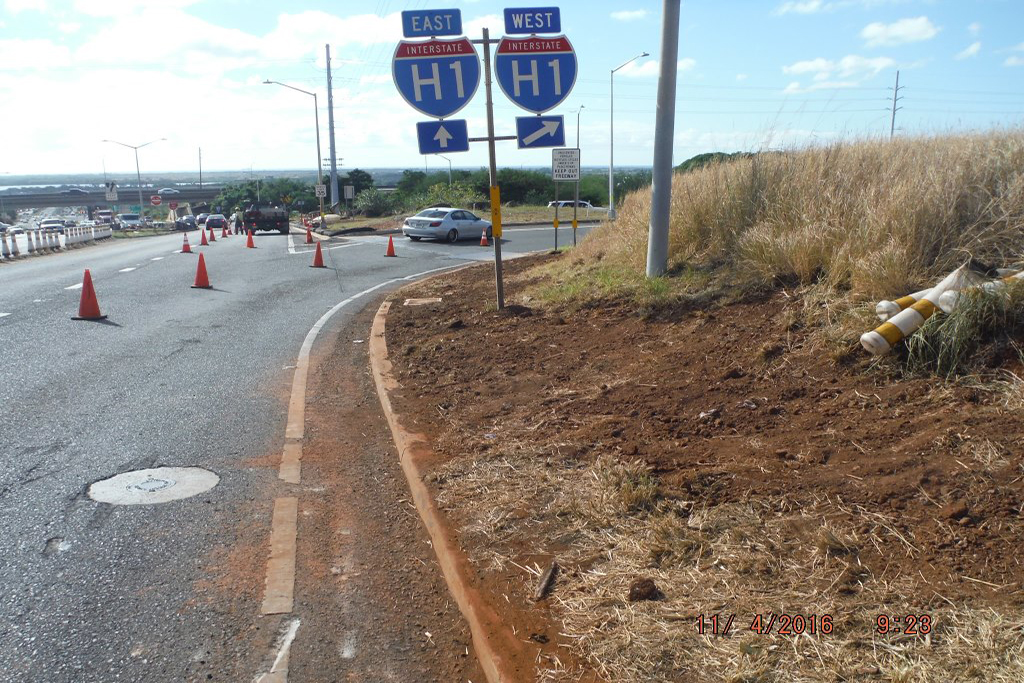
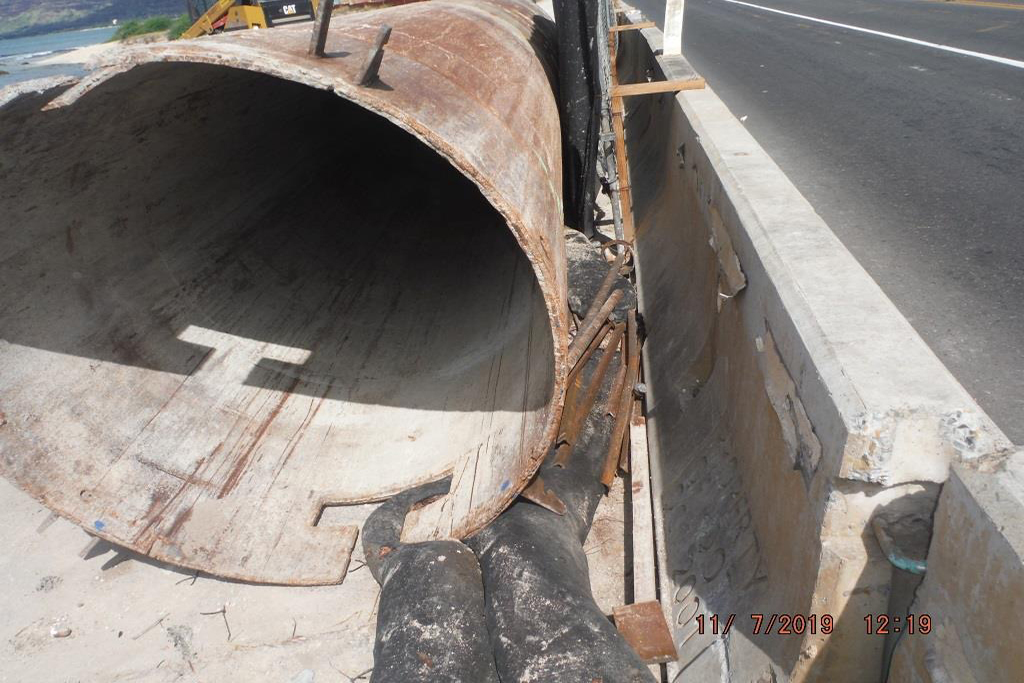
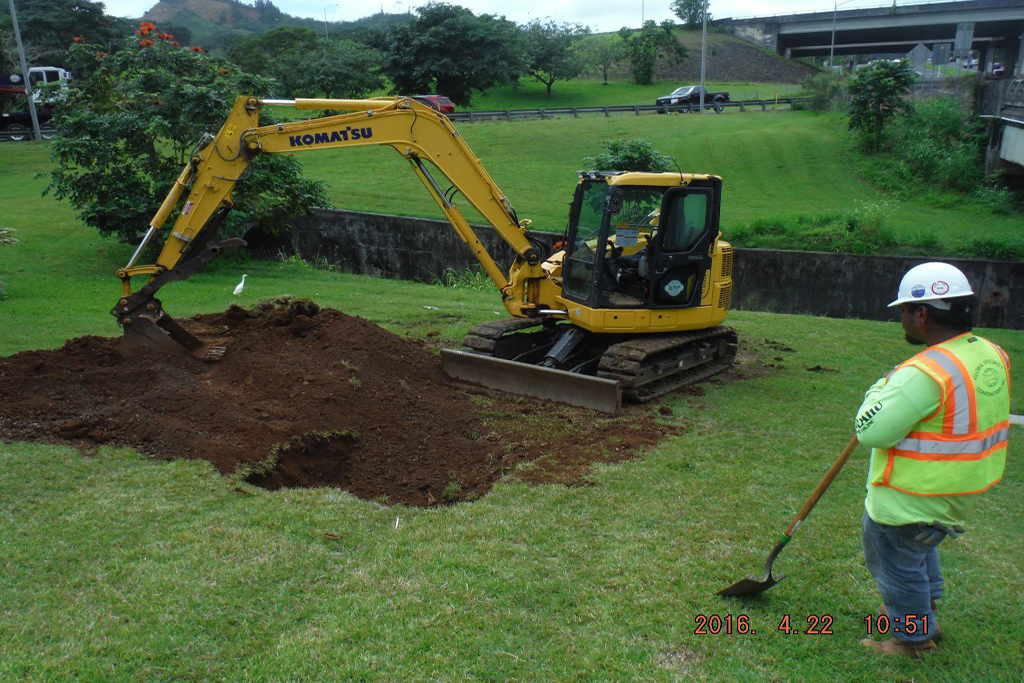
Are adequate BMPs installed to prevent the discharge of pollutants from the project site? Hover over each photo for an explanation of the situation presented and if BMPs have been installed properly.